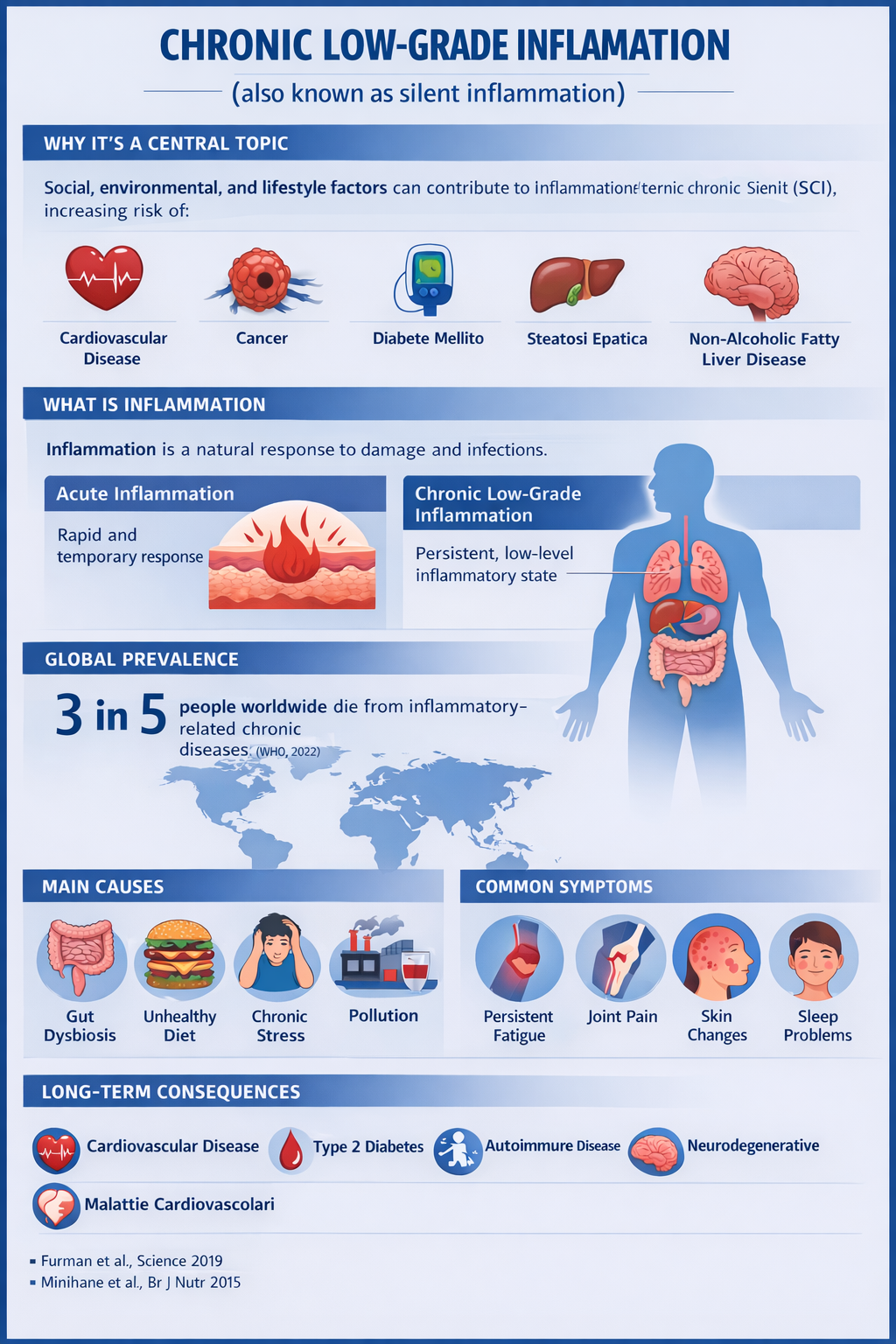
This guide gathers practical dietary and behavioral recommendations useful for reducing the factors that may promote a state of chronic low-grade inflammation.
Chronic low-grade inflammation refers to a mild but persistent inflammatory condition of the body, often not very evident or scarcely perceived. Unlike acute inflammation — which is intense, visible, and temporary (as in the case of an infection, injury, or illness) — this form is more silent and may persist over time. In recent years, numerous studies have highlighted how this inflammatory state may contribute to the development or worsening of several metabolic and immune conditions.
Introduction
The proposed diet consists of a set of dietary guidelines and practices aimed at maintaining the intestinal microbiota in balance and promoting the best possible functioning of the immune system.
To achieve this goal, it is useful to reduce or eliminate factors that may alter the balance of the intestinal microbiota and interfere with the efficiency of the immune system.
The microbiota is naturally dynamic: a certain variability is physiological and may depend, for example, on changes in diet, lifestyle, or environment. In response to these variations, the microbiota may adapt physiologically or develop less favorable responses.
Not all variations in the microbiota are therefore negative. However, when these changes lead to persistent imbalances in the intestinal ecosystem, they may promote conditions of microbiota alteration and contribute to the onset of chronic low-grade inflammation.
Reducing this condition is therefore one of the main objectives of the pathway.
Even in the presence of ongoing diseases, adopting dietary and behavioral recommendations that help reduce chronic low-grade inflammation may contribute to preventing further worsening of the clinical condition and to promoting a better overall balance of the organism.
The diet should also be accompanied by some lifestyle guidelines, particularly regarding:
stress and anxiety management
1. regular physical activity
2. balanced lifestyle habits
This aspect is far from marginal. Numerous studies on the gut–brain axis have in fact highlighted a close bidirectional relationship between the nervous system, the intestine, and the microbiota.
Consequently, prolonged stress conditions may negatively influence intestinal balance and may partially or completely compromise the positive effects of a correct and effective diet.
Finally, but no less important, it should be remembered that the great variability of individual psychophysical conditions and the heterogeneity of responses to therapies, treatments, and dietary regimens often require careful personalization of the diet, possibly supported by one’s physician or a specialist.
It should be emphasized from the outset that:
In a truly healthy subject*, the immune system and the organs responsible for regulating homeostasis are physiologically able to maintain the state of health and defend the organism from external agents, including those of dietary origin. This balance depends on the body’s ability to appropriately modulate inflammatory responses, preserve the integrity of the intestinal barrier, and maintain effective communication between the intestine, the immune system, and the nervous system.
The method: what to avoid and why
-
Consuming too much food: the stomach should be able to work (digest) as efficiently as possible. It is better to eat several times rather than having one large meal. The most recent scientific literature suggests that the presence of food that is not completely digested in the intestinal lumen may contribute, in specific contexts [1], to processes of chronic low-grade inflammation and to increased intestinal permeability.
By “specific contexts” we mean the coexistence of an inefficient gastric barrier (hypochlorhydria), slowed intestinal transit (stasis), and altered intestinal permeability (leaky gut), conditions that can transform undigested food residues into pro-inflammatory stimuli for the immune system. -
Meals composed of many different dishes [2]: the simpler the composition of a meal, the easier gastric digestion will be. A significant presence of fats [2.1] may slow the passage of food to the intestine, prolonging digestion and potentially causing sensations of heaviness and bloating. Simple sugars are digested very quickly, usually in the small intestine. However, if they are eaten after a complete meal (perhaps rich in proteins and fiber), they remain “trapped” in the stomach [2.3] while waiting for the rest of the food to be processed and may ferment [3].
-
Industrial food products [4]: as little as possible; they contain additives which, if consumed individually only occasionally, do not usually cause problems but, when accumulated together, may have a more or less marked pro-inflammatory action depending on the individual’s health status. In summary, it is not necessary to rigidly eliminate every food containing additives, but favoring a diet based on minimally processed foods reduces overall exposure to mixtures of additives and represents a simple, safe, and potentially beneficial strategy for intestinal and systemic health.
-
Industrial beverages: as little as possible; they generally contain large amounts of sugar, sweeteners, and additives.
-
Foods for people with celiac disease: as little as possible when there is no real medical necessity. Many industrial gluten-free products may contain high amounts of sugars, fats, and additives, and often have a lower fiber content than traditional products. For this reason, it is preferable to limit their consumption when not strictly necessary. It should also be remembered that the additives contained in these products, when combined, may have a pro-inflammatory effect depending on the individual’s health condition.
-
Wine/beer: with great moderation, because alcohol may interfere with liver metabolism, increase caloric intake, and, if consumed frequently, promote inflammatory processes and alterations of intestinal balance.
-
Spirits: avoid except in occasional situations.
-
Coffee: yes, in amounts compatible with individual tolerance to caffeine, but with attention to the overall sugar content that may accompany it.
-
Spices: yes, favoring those with digestive and antioxidant properties (turmeric, ginger, cinnamon, cumin) and using more irritating ones (black pepper, chili pepper) more moderately.
-
Fried foods: in moderation because frying increases the caloric content of foods and may produce oxidized compounds and irritating substances that, if consumed frequently, may promote inflammatory processes and make digestion more difficult.
-
Fiber: essential. Preferably 3–4 times per day. Fiber represents the main and most important source of nourishment for the microbiota: through it the microbiota produces short-chain fatty acids (butyrate, acetate, propionate) that are beneficial for intestinal health.
-
Processed meats: sparingly, because they generally contain high amounts of salt, preservatives (nitrites and nitrates), and fats—elements which, if consumed frequently, may promote inflammatory processes and metabolic imbalances.
-
Cheese: yes, in amounts compatible with the individual (limited if intolerant to lactose or casein). They should not be completely eliminated when well tolerated, because they represent a good source of proteins, calcium, and other micronutrients useful for the body. It is nevertheless preferable to favor simple, good-quality cheeses consumed in moderation.
-
Sweets: in amounts compatible with the individual. If there are problems with sugars (for weight or blood glucose), they should be consumed in appropriate quantities to avoid imbalances. However, it should not be forgotten that they can also represent a compensatory source of pleasure in many situations of stress or anxiety: moderation yes, but without eliminating them completely.
-
Gluten [5][5.1]: if possible, choose whole or semi-whole wheat pasta; bread: preferably semi-whole or whole made from durum wheat or einkorn/emmer varieties. Soft wheat contains a component of gluten that is very difficult to digest (33mer). Whenever possible, include products made with grains whose gluten is less strong and more tolerable (many ancient grains have these characteristics).
-
Non-celiac gluten sensitivity (NCGS). This type of intolerance is “dose-dependent.” Once it has been established that a person is intolerant but not celiac, it is necessary to identify the quantity that can be tolerated without causing problems. In these cases, products made with grains whose gluten is less tenacious and more tolerable (many ancient grains have these characteristics) may help manage the issue better. It should also be emphasized that many products for people with celiac disease contain several additives: regarding this aspect, see what was stated in point 3 and note [4].
-
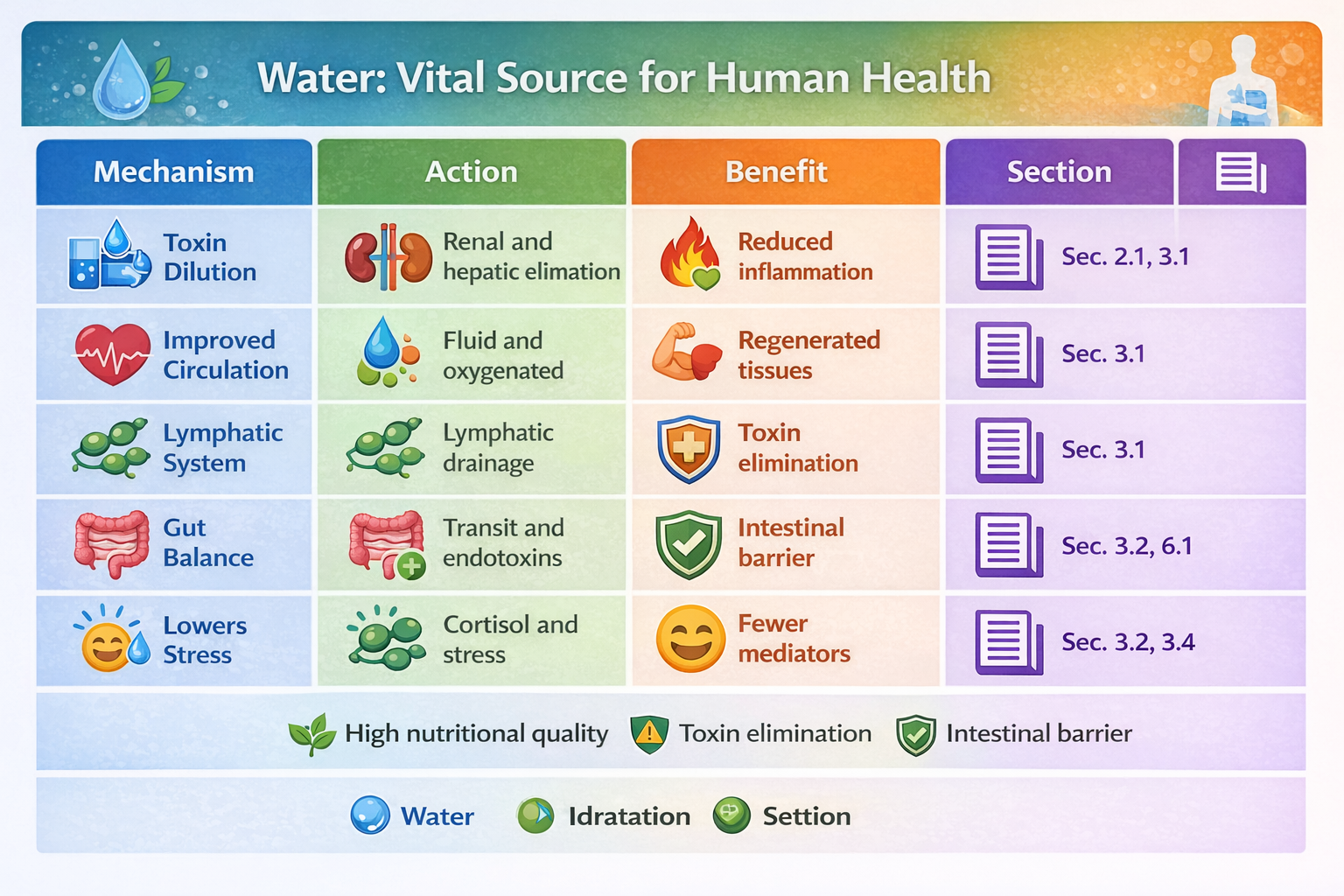
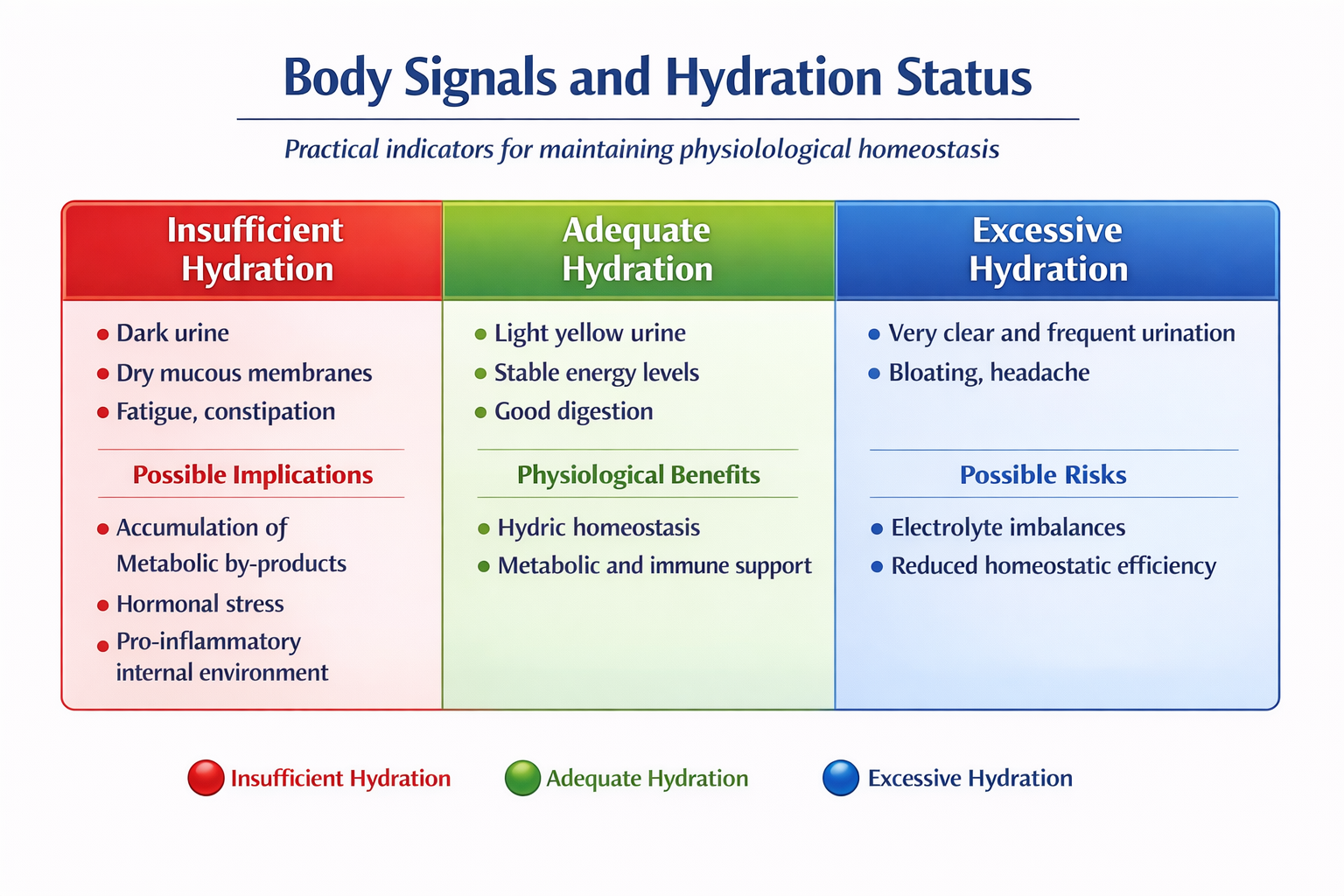
Water: drink regularly during the day in adequate quantities. Water is essential for the proper functioning of metabolism, digestion, and waste elimination processes. (Doctors keep reminding us… 1.5–2 liters…)
-
Green tea: because it contains polyphenols and antioxidant substances that may contribute to cellular protection and metabolic balance.
-
Medications: only when truly necessary and under medical prescription.
-
Supplements: to be used after consulting a specialist in order to define a “personalized” intake based on the existing disorder or condition. In addition, many supplements have not been sufficiently tested on large and well-characterized populations.
Specific behaviors:
-
Engage in physical activity, even at a moderate level.
-
If working, try to avoid situations where work leads to excessive stress.
-
If in the post-working phase of life, engage in activities that require concentration and, if possible, creativity. Developing projects is highly beneficial for keeping cognitive functions active.
-
Do not smoke.
-
With your physician, define the routine general check-ups necessary for proper monitoring of your health, in addition to specific examinations for already diagnosed medical conditions.
*It is also important to clarify that the concept of a “healthy subject” does not simply coincide with the absence of clinically diagnosed diseases. In a more rigorous physiological sense, a person can be defined as truly healthy when they do not present ongoing diseases and are not in a state of chronic low-grade inflammation. This distinction is far from marginal, since in clinical practice the term “healthy” is often used in a reductive sense, coinciding only with the absence of formal diagnoses.
Notes:
[1] Undigested food
Low-grade inflammation is not caused by food itself, but by the disruption of the balance between digestion, microbiota, and the intestinal barrier. In particular:
1. Enzymatic and acid failure: If the stomach (due to stress or medications) does not break proteins down into small amino acids, long peptide chains remain that the body may mistake for threats.
2. Biochemical transformation: Undigested residues, when stagnating, undergo processes of putrefaction (proteins) or excessive fermentation (sugars), producing toxic metabolites (ammonia, phenols, gases) that irritate the intestinal mucosa.
3. The immune breach: In the presence of a “permeable” intestinal mucosa, these macromolecules and toxins cross the cellular wall and come into direct contact with the immune system, keeping it in a constant state of alert (release of inflammatory cytokines).
[2] Simplicity and enzymatic “load”
Each macronutrient (carbohydrates, proteins, fats) requires different enzymes and breakdown times. When we mix too many different foods:
-
The stomach must manage a complex chemical mixture.
-
The body struggles to optimize gastric pH for each food.
Result: A faster and “cleaner” digestion occurs when meals consist of a few well-combined ingredients.
[2.1] The role of fats
Fats are the slowest nutrients to digest. Their presence sends hormonal signals (such as cholecystokinin) that tell the stomach to slow the emptying toward the duodenum.
The positive side: They provide a prolonged sense of satiety.
The negative side: If the meal is excessively fatty, food stagnates in the stomach. This process of stagnation or fermentation is what causes the sensation of a “brick in the stomach” and abdominal bloating.
[2.3] Tips for a balanced but light meal
To avoid heaviness without giving up taste, you could follow these small precautions:
-
Prefer simple cooking methods: steaming, grilling, or baking rather than frying or prolonged sautéing.
-
Limit different protein sources: avoid mixing eggs, cheese, and meat in the same meal.
-
Add fats raw: use extra virgin olive oil at the end of cooking to preserve its properties and facilitate digestion.
In summary
The fewer “obstacles” we give our digestive system in the form of complex combinations and heavy fats, the more energy we will have available after a meal instead of feeling sleepy and bloated.
[3] Sugars
While fats slow digestion for reasons of “biochemical management” (the stomach closes the valve to take more time), simple sugars consumed at the end of a meal (here quantity plays an important role) create a sort of digestive “queue” in the stomach.
3.1. The “plug” effect and fermentation
Simple sugars are digested very quickly, usually in the small intestine. If they are consumed after a complete meal (perhaps rich in proteins and fiber), they remain “trapped” in the stomach while waiting for the rest of the food to be processed.
Consequence: In that warm and humid environment, sugars begin to ferment.
Result: Gas production, immediate abdominal bloating, and a sensation of acidity.
3.2. Fluid attraction (Osmosis)
Sugars are “osmotic” substances, meaning they attract water into the stomach and intestines in order to be diluted.
This influx of fluids can cause a sensation of abdominal distension and, in some cases, cramps or accelerated intestinal transit (not necessarily in a beneficial sense).
3.3. The impact on insulin
Unlike fats, which do not significantly stimulate insulin, a dessert at the end of a meal (again, quantity plays an important role) may cause a significant glycemic spike.
If the preceding meal was already rich in carbohydrates (pasta or bread), the dessert becomes the “last drop that makes the cup overflow.”
This spike is often followed by a crash (reactive hypoglycemia) that makes you feel tired and lacking energy shortly after eating.
|
Characteristic |
High Fat |
Sugars (Sweets) |
|
Main action |
Slow gastric emptying. |
Ferment while waiting to be digested. |
|
Sensation |
Heaviness, “stone in the stomach”. |
Bloating, gas in the abdomen, drowsiness. |
|
Hormonal effect |
Prolonged feeling of satiety. |
Insulin spike followed by fatigue. |
3.4. Fermentation in the stomach
3.4.1. Normal conditions: the acid barrier
In a truly healthy subject*, fermentation in the stomach is almost absent because it is a highly acidic environment due to hydrochloric acid.
Hostile environment:
The stomach secretes hydrochloric acid, maintaining a very low pH (about 1.5–3.0). This high level of acidity acts as a real safety filter, neutralizing most bacteria and yeasts ingested with food.
Transit speed:
Under normal conditions, simple sugars pass rapidly into the duodenum (about 15–30 minutes), without giving the few surviving microorganisms enough time to initiate fermentation processes.
The stomach, however, is not completely sterile. Some microorganisms may, under certain circumstances, be present and play a limited role:
Yeasts (such as Candida albicans):
They are naturally present in the digestive tract. If sugars remain in the stomach for too long, for example due to a previous meal that is slow to digest, yeasts may metabolize them producing gas (carbon dioxide) and small amounts of ethanol.
Acid-tolerant bacteria:
Some strains of lactobacilli or bacteria coming from the duodenum (especially when gastric acidity is temporarily buffered by food) may contribute to limited fermentative processes.
3.4.2. Altered conditions: when the stomach “ferments”
Fermentation becomes possible when the acid barrier is reduced or when food stagnates in the stomach. The main causes may include:
Chronic stress (brain–gut axis):
Prolonged stress may act on two fronts:
-
Reduced acid secretion: through activation of the sympathetic nervous system, stress may reduce the production of HCl, increasing gastric pH and making the environment more favorable for microbial survival.
-
Altered motility: stress may modify gastric contractions, slowing gastric emptying.
Very complex or high-fat meals:
Fats stimulate hormonal signals that slow gastric emptying and the opening of the pylorus. If simple sugars are introduced on top of this slowdown, gastric contents may remain in the stomach for longer.
Use of medications:
Proton pump inhibitors (PPIs) artificially increase gastric pH, reducing the natural bactericidal effect of hydrochloric acid.
Excess presence of yeasts (SIFO):
In conditions of dysbiosis, yeasts such as Saccharomyces or Candida may more heavily colonize the upper digestive tract and contribute to the fermentation of sugars.
3.4.3. The consequences: what gastric fermentation causes
Although quantitatively lower than intestinal fermentation, fermentation in the stomach is very uncomfortable because it occurs in an organ located high in the torso:
Gas production ($CO_2$):
Gas accumulates rapidly, causing distension of the gastric walls (a balloon-like sensation under the sternum).
Belching and reflux:
Gas pressure pushes against the cardia (the upper valve). This may cause the upward movement of air mixed with acidic vapors or food (reflux).
Organic acidity:
Bacteria and yeasts produce organic acids (such as lactic acid) that irritate the mucosa, creating a burning sensation different from that caused by pure hydrochloric acid.
Postprandial drowsiness:
The production of small amounts of fermentation by-products (such as ethanol or acetaldehyde) may contribute to “brain fog” or extreme tiredness after eating sweets.
In summary
Gastric fermentation does not represent a normal physiological process, but may indicate an alteration of the digestive environment caused by reduced gastric acidity or by delayed gastric emptying. These conditions allow microorganisms to metabolize sugars before complete digestion occurs.
[4] Additives and intestinal health
The impact of food additives on health does not depend only on their intrinsic toxicity (regulated by health authorities), but also on their synergistic effect on the intestinal barrier. In particular, research highlights two critical mechanisms:
4.1. Alteration of the protective mucus layer (Emulsifiers):
Additives such as carboxymethylcellulose (E466) or polysorbate-80 (E433), commonly found in industrial sauces and desserts, may act as surfactants. They tend to “dissolve” the mucus layer that lines the intestine, allowing bacteria to come into direct contact with the mucosal cells, thereby triggering a chronic inflammatory response.
4.2. Dysbiosis and permeability (Sweeteners and preservatives):
The constant intake of mixtures of additives may alter the composition of the microbiota (dysbiosis). A bacterial imbalance, combined with the action of certain preservatives, may weaken the tight junctions between intestinal cells. This increase in permeability (leaky gut) facilitates the passage of bacterial fragments and undigested molecules into the bloodstream, promoting systemic low-grade inflammation.
[5] Undigested gluten
In healthy individuals, according to current knowledge, there is no solid and conclusive clinical evidence demonstrating a significant systemic impact of gluten on intestinal permeability or on the inflammatory balance of the organism.
Nevertheless, in individuals who present genetic predispositions, immune vulnerabilities, or existing clinical conditions—even when not yet clearly manifested clinically—adopting a principle of nutritional caution does not represent excessive prudence but rather an attitude of preventive responsibility. This approach does not necessarily imply the indiscriminate elimination of gluten from the diet, but rather a careful and personalized evaluation of the person’s clinical, metabolic, and nutritional context.
In these cases, diet may contribute—either positively or negatively—to the modulation of the inflammatory and immune balance of the organism, within a systemic view of health.
The quality of daily nutrition does not exert effects exclusively on the intestine. It influences overall immune tone, the level of chronic low-grade inflammation, and indirectly also brain health through the complex mechanisms of the gut–brain axis. Taking care of the intestine therefore largely means taking care of the entire organism.
[5.1] Gluten and intestinal permeability
Gluten is a complex protein rich in prolamins (gliadins) that our enzymatic system is not able to completely digest.
Gliadins are composed of long chains of amino acids—the “building blocks” of proteins—linked together in a way that makes the action of digestive enzymes difficult, preventing the complete separation of these amino acids before absorption by the intestinal wall.
In predisposed individuals, some of these incompletely digested protein fragments may stimulate the release of zonulin, a protein that acts as a regulator of intestinal junctions.
While in a healthy individual these “gates” close rapidly without consequences, in vulnerable subjects they may remain open longer, facilitating intestinal permeability and the appearance of low-grade inflammatory processes, as described in the previous points.
Main scientific references
Below are some high-profile scientific studies that support the concepts described in this guide, particularly regarding intestinal permeability and the possible impact of food additives and emulsifiers on intestinal balance.
1. On intestinal permeability and zonulin (Points [1] and [5])
This research is fundamental because it identified the biological mechanism through which gluten and intestinal health interact, introducing the concept of the “opening” of tight junctions.
Author: Alessio Fasano
Title: Zonulin, regulation of tight junctions, and autoimmune diseases
Year: 2011 (with continuous updates until 2020)
DOI: 10.1146/annurev-med-051809-150355
Extended abstract:
The research describes the discovery of zonulin, one of the main physiological modulators of intestinal tight junctions. The study shows how undigested fragments of gluten (gliadin) stimulate the release of zonulin not only in individuals with celiac disease but also in genetically predisposed individuals. This release increases intestinal permeability, allowing antigens to pass from the intestinal lumen into the bloodstream. The work highlights how this process may underlie chronic low-grade inflammation and trigger systemic immune responses, contributing to the scientific understanding of intestinal permeability.
2. On the effect of emulsifiers and intestinal mucus (Point [4])
This study is a milestone regarding industrially processed foods and explains why the cumulative effect of additives is a concern for the microbiota.
Author: Benoit Chassaing et al.
Title: Dietary emulsifiers impact the mouse gut microbiota promoting colitis and metabolic syndrome
Year: 2015 (published in Nature)
DOI: 10.1038/nature14232
Extended abstract:
The authors analyzed the impact of two common industrial emulsifiers: carboxymethylcellulose and polysorbate-80. The study demonstrates that these substances are not inert but directly alter the composition of the microbiota and the interaction between bacteria and the host. In particular, emulsifiers reduce the thickness of the protective intestinal mucus layer, allowing bacteria to come excessively close to epithelial cells. This leads to chronic intestinal inflammation that is reflected systemically through metabolic alterations (increased blood glucose and adiposity). The research suggests that the widespread use of these additives may have contributed to the global rise in chronic inflammatory diseases.
Why cite these studies in the guide?
-
Validation of “leaky gut”:
The research of Alessio Fasano brings the concept of intestinal permeability out of the realm of alternative medicine and into academic medicine. -
Risks of ultra-processed foods:
The study by Benoit Chassaing published in Nature provides biochemical evidence that the problem with industrial foods is not only sugar but also their chemical structure (such as emulsifiers). -
Systemic approach:
Both studies confirm that what happens in the intestine has immediate effects on metabolism and on the overall immune system (low-grade inflammation).
Conclusion
Taking care of the intestine means adopting an attitude of conscious prevention. Absolute rigidity is not necessary, but rather a simple, balanced, and high-quality dietary approach capable of protecting not only the intestine but the entire organism—including brain health.
Low-Grade Chronic Inflammation in Italian Science Communication (2025–2026)
Introduction to Journalistic Sources
Selection of authoritative Italian articles from 2025–2026 that address low-grade chronic inflammation directly or substantially, especially in relation to longevity, diet, physical activity, stress, and metabolism. Among the most relevant are: “Silent Chronic Inflammation: What It Is, Symptoms, and How to Treat It” from Style/Corriere della Sera (April 10, 2026); “Is It True That Sport Does Not Help You Lose Weight?…” from Corriere della Sera (March 21, 2026); “The Three ‘F’s That Keep the Intestine (and the Brain) Healthy” from Cook/Corriere (March 14, 2026); “Yes, Diet Can Slow Aging” from la Repubblica Salute (August 11, 2025); “The Secret of Longevity for 2026? Breathe, Rest, Smile, and Learn to Forgive” from la Repubblica Salute (December 23, 2025); and “Tell Me How You Eat and I’ll Tell You How You Age” from la Repubblica Salute (December 30, 2025).
Below is an extended abstract constructed from these articles.
Extended Abstract
In Italian scientific and health journalism of 2025–2026, low-grade chronic inflammation emerges as a cross-cutting interpretative key for understanding biological aging and many chronic degenerative diseases. The selected articles describe it not as an acute and visible episode, but as a persistent, “silent” state of low-intensity immune activation, often lacking specific symptoms but capable, over time, of promoting insulin resistance, increased abdominal fat, chronic fatigue, and a greater cardiovascular and neurodegenerative risk. Style/Corriere indeed defines it as a “silent enemy” and a “common ground” for numerous clinical conditions, emphasizing how it is often normalized in everyday life.
A first very strong narrative line concerns the relationship between inflammation and aging. la Repubblica Salute explicitly connects low-grade chronic inflammation with “inflammaging,” that is, the process through which the organism ages in the presence of persistent immune activation and oxidative stress. In the article about telomeres, the central idea is that the inflammatory potential of the diet may accelerate or slow telomeric erosion: pro-inflammatory foods are associated with shorter telomeres, while dietary patterns richer in fiber, polyphenols, and unsaturated fats are presented as plausibly protective. The same newspaper, at the end of 2025, reiterates that preventing inflammation is essential for longevity, because it accelerates biological age and increases the risk of the main diseases of older age.
A second thematic area concerns diet as a modulation factor. The articles do not propose miraculous solutions, but converge on some recurring elements: reducing ultra-processed foods or those with a high inflammatory load, stabilizing blood glucose, favoring minimally processed foods, quality fats, fiber, and foods that support the intestinal microbiota. Style/Corriere lists among the most favorable foods fish rich in omega-3, leafy green vegetables, berries, extra-virgin olive oil, oil seeds, turmeric, ginger, and fermented foods, insisting however that the benefit depends on the overall dietary pattern and not on the single “superfood.” la Repubblica reinforces this approach by citing the Dietary Inflammatory Index (DII), used to estimate how pro- or anti-inflammatory a diet is.
A third direction concerns the role of physical movement. In Corriere della Sera of March 21, 2026, physical activity is presented as a “multi-target drug” that does not serve only to burn calories, but acts on insulin sensitivity, liver fat, blood pressure, glycemia, sleep, and mood. In this framework, movement and a healthy diet are described as powerful modulators of low-grade chronic inflammation, also thanks to the production of myokines by contracting muscle, that is, molecules with anti-inflammatory and metabolic effects. The Cook/Corriere article on the microbiota completes the picture by suggesting that regular sport and the health of intestinal mucosae are closely connected, with possible combined benefits on autophagy, immune function, and reduction of systemic inflammation.
A fourth strand concerns stress, sleep, and neuroendocrine regulation. Style/Corriere insists that chronic stress and poor sleep quality directly fuel inflammatory processes; the increase in cortisol, the worsening of insulin sensitivity, and the increase in hunger are recalled as mechanisms that keep the organism in a prolonged state of alert. Wired Italia, although not focused exclusively on low-grade chronic inflammation, reinforces the idea that chronic dysregulation of cortisol and circadian rhythms may contribute to visceral obesity, metabolic alterations, and persistent stress, all elements consistent with the pro-inflammatory framework discussed in the other articles. la Repubblica, in the interview on longevity, extends the reasoning to oral health and psychological well-being, suggesting that periodontal diseases and chronic emotional stress may also increase systemic inflammation.
Overall, these articles present low-grade chronic inflammation as a systemic condition in which nutrition, body composition, stress, sleep, microbiota, physical exercise, and cellular aging converge. The prevailing journalistic message is that it is not a single disease, but rather a “biological substrate” that may precede or accompany many diseases. From this derives a strongly preventive vision: not extinguishing a symptom, but reducing the daily inflammatory load through repeated and realistic interventions on lifestyle.
From a critical point of view, however, it should be observed that these texts are journalistic dissemination articles, not systematic reviews or guidelines. Some report studies or interviews with specialists correctly but in a synthetic way; others use a more lifestyle-oriented tone and simplify a complex biological framework. The convergence among different newspapers, however, is remarkable: all recognize low-grade chronic inflammation as a central node between metabolism and aging, and all indicate lifestyle habits as the main area of intervention. This convergence does not replace clinical evidence, but signals that the topic has now firmly entered the Italian public discourse on prevention and longevity.
Journalistic Sources
Style – Corriere della Sera, April 10, 2026, “Silent Chronic Inflammation: What It Is, Symptoms, and How to Treat It.”
Corriere della Sera, March 21, 2026, “Is It True That Sport Does Not Help You Lose Weight? Here Is Why Exercise Does Not Count Only for the Calories Burned.”
Cook – Corriere della Sera, March 14, 2026, “The Three ‘F’s That Keep the Intestine (and the Brain) Healthy.”
la Repubblica – Salute, August 11, 2025, “Yes, Diet Can Slow Aging.”
la Repubblica – Salute, December 23, 2025, “The Secret of Longevity for 2026? Breathe, Rest, Smile, and Learn to Forgive.”
la Repubblica – Salute, December 30, 2025, “Tell Me How You Eat and I’ll Tell You How You Age.”
In-Depth Analysis of Some Significant Articles
1. Corriere della Sera – Style
Corriere della Sera
Title: Silent Chronic Inflammation: What It Is and How to Counter It with Diet and Lifestyle
Section: Style – Wellness
Date: April 10, 2026
Short quote from the article
“Low-grade chronic inflammation is a silent process that may, over time, promote metabolic, cardiovascular, and neurodegenerative diseases.”
Extended Abstract
The article describes low-grade chronic inflammation as a persistent biological condition characterized by a mild but continuous activation of the immune system. Unlike acute inflammation, it does not present evident symptoms but may develop slowly over time, contributing to the development of various chronic diseases. Among these are obesity, type 2 diabetes, cardiovascular diseases, and processes of accelerated aging.
The text highlights the central role of lifestyle in modulating inflammatory processes. A diet rich in ultra-processed foods, refined sugars, and saturated fats would favor a pro-inflammatory state, while a balanced diet rich in fiber, vegetables, fish, and unsaturated fats would have anti-inflammatory effects. The contribution of the intestinal microbiota in regulating the systemic immune response is also emphasized.
Another relevant dimension concerns the relationship between chronic inflammation and biological aging. The article refers to the concept of inflammaging, that is, accelerated aging associated with a persistent inflammatory state. According to the experts cited, reducing the inflammatory load through balanced nutrition, regular physical activity, adequate sleep, and stress management represents a fundamental preventive strategy.
2. la Repubblica – Salute
la Repubblica
Title: Yes, Diet Can Slow Aging: The Role of Inflammation and Telomeres
Section: Health
Date: August 11, 2025
Short quote
“A diet with a high inflammatory index is associated with shorter telomeres and faster biological aging.”
Extended Abstract
The article analyzes the link between diet, systemic inflammation, and cellular aging. It presents the concept of the Dietary Inflammatory Index (DII), used in epidemiological studies to evaluate the pro- or anti-inflammatory potential of diet. According to the research cited, dietary patterns rich in simple sugars, saturated fats, and highly processed foods are associated with an increase in inflammatory markers and with a greater probability of shorter telomeres. Telomeres, structures that protect the ends of chromosomes, represent a biological indicator of cellular aging. Conversely, a diet rich in fruit, vegetables, fiber, whole grains, legumes, and fish appears correlated with a lower level of systemic inflammation. The article suggests that the Mediterranean dietary pattern may represent an effective strategy for modulating chronic inflammatory processes and promoting greater longevity.
3. Corriere della Sera – Salute
Corriere della Sera
Title: Is It True That Sport Does Not Help You Lose Weight? Why Exercise Matters Beyond Calories
Date: March 21, 2026
Short quote
“Regular physical activity reduces systemic inflammation and improves insulin sensitivity, blood pressure, and metabolism.”
Extended Abstract
The article discusses the role of physical activity in metabolic health and in the prevention of chronic diseases. The text clarifies that physical exercise does not act only through caloric expenditure but produces a series of complex physiological effects that include regulation of blood glucose levels, improvement of insulin sensitivity, and reduction of systemic inflammation levels.
Part of the analysis concerns the production of myokines, molecules released by muscle during contraction that exert anti-inflammatory and metabolic effects. Through these mechanisms, physical activity contributes to the reduction of low-grade chronic inflammation and to the improvement of cardiovascular and metabolic health.