Abstract
The wheat storage proteins that form gluten comprise mainly monomeric gliadins and polymeric glutenins. Gliadins contribute primarily to dough viscosity and extensibility, whereas glutenins, through polymers stabilised by intermolecular disulphide bonds, support elasticity, strength and stability. The GLIA/GLUT ratio – total gliadins divided by total glutenins – is therefore a useful indicator of the balance between the two fractions, but it is not an absolute property of a wheat species: it depends on genotype, environment, fertilisation, sample matrix and analytical method. In comparisons performed with uniform procedures, common wheat generally has lower ratios, whereas spelt, durum wheat, emmer and especially einkorn often have higher ratios. In the largest comparative dataset available, based on 15 cultivars per species grown at four locations, the observed ranges were 1.6-3.8 for common wheat, 2.3-4.8 for spelt, 2.1-7.5 for durum wheat, 3.011.1 for emmer and 3.7-12.1 for einkorn [3]. These ranges describe that specific experimental design and must not be turned into universal thresholds.
Technologically, a high ratio is generally associated with softer, more extensible and less stable doughs with lower bread-making performance. The ratio alone, however, does not determine quality. Total protein quantity, HMW-GS and LMW-GS composition, polymer size, glutenin macropolymer content, molecular-weight distribution, and interactions with starch, lipids, fibres and enzymes also matter [1-5]. Clinically, GLIA/GLUT measures neither safety for people with coeliac disease nor individual digestibility: einkorn contains sequences capable of activating the coeliac immune response and is not suitable for a gluten-free diet [9-11].
What are gliadins and glutenins?
Wheat grain proteins are traditionally divided, according to solubility, into albumins, globulins, gliadins and glutenins. Gliadins and glutenins are the main storage proteins of the endosperm and, after hydration and mixing, form the protein component of gluten [1].
1.1 Gliadins
Gliadins are mostly monomeric proteins soluble in aqueous alcohol. Based on electrophoretic mobility and sequence, they are grouped mainly into alpha/beta-, gamma- and omega-gliadins. Many alpha/beta- and gamma-gliadins contain intramolecular disulphide bonds but do not normally build the large intermolecular polymers typical of glutenins. In dough they act mainly as viscous, plasticising components: they promote flow and extensibility and, within limits, reduce network rigidity [1,2].
1.1.1 The subclasses are not equivalent The alpha/beta, gamma and omega classification is not merely descriptive: it reflects differences in sequence, sulphur content, structure and interaction with the network. Their functions are not rigidly isolated, however; each fraction contains many proteins and alleles, and the observed effect depends on the flour in which it occurs.
• Alpha/beta-gliadins: rich in glutamine and proline, usually with six cysteines forming three intramolecular disulphide bonds. They do not become stable parts of the glutenin macropolymer, but participate in hydrogen bonding and hydrophobic interactions. Addition experiments show that they mainly increase mobility and extensibility, generally weakening dough less than gamma- and omega-gliadins [12,13].
• Gamma-gliadins: generally contain eight cysteines and a more disulphide-rich intramolecular structure. They remain predominantly monomeric but interact strongly through non-covalent bonds; during baking, some may bind covalently to glutenins through thiol-disulphide exchange. In controlled tests, the gamma fraction caused the greatest reduction in mixing time and maximum resistance to extension, indicating a marked softening and fluidising effect [12,14].
• Omega-gliadins: very rich in glutamine and proline and poor in, or devoid of, cysteine. Except for rare variants, they cannot form disulphide bonds and depend mainly on hydrogen bonds and hydrophobic interactions. They are the most characteristically viscous fraction: they reduce loaf stability and height, and in a 2024 investigation of 74 genotypes their relative proportion was positively associated with dough stickiness [13,15].
1.2 Glutenins
Glutenins are assembled into polymers through intermolecular disulfide bonds. Their subunits are classified as HMW-GS (high-molecular-weight glutenin subunits) and LMW-GS (low-molecular-weight glutenin subunits). HMW-GS account for a quantitatively smaller proportion, but strongly influence polymer size and architecture; LMW-GS are more abundant and also contribute to the network. Together they confer resistance to deformation, elasticity, recovery capacity and mixing stability [1,2].
1.3 Gluten is a system: the central role of the glutenin macropolymer
Describing gluten as simply the sum of gliadins and glutenins is useful but incomplete. The decisive property is not only how much glutenin is present, but how much of it is organized into very large polymers and how those polymers are connected. The fraction of greatest technological interest is referred to as the glutenin macropolymer (GMP) or — depending on the extraction method — as unextractable polymeric protein (UPP), meaning polymeric protein not extractable in SDS without a reducing agent. GMP and UPP are not perfect analytical synonyms, but both describe the most aggregated and least soluble portion of the glutenin network [2,16]. The macropolymer is formed mainly through intermolecular disulfide bonds. HMW-GS act as extension and branching elements of the backbone, while the more numerous LMW-GS expand and connect the network. This is not a static mesh: during hydration and mixing, disulfide bonds, hydrogen bonds and hydrophobic interactions break and reform. Mechanical energy aligns and brings the chains closer together; thiol–disulfide exchange permits redistribution of the connections. A continuous network thus develops, capable of deforming, storing elastic energy and partially recovering its shape. The amount of GMP/UPP and the molecular-size distribution are often more closely correlated with dough strength and loaf volume than total protein content or GLIA/GLUT alone. If the polymer is abundant, has high molecular mass and is well connected, bubble walls resist gas pressure. If it is scarce or depolymerized, the dough may contain much protein yet still behave as a weak, viscous and yielding system [2,16,17]. Gliadins occupy the spaces between these polymers and modulate their mobility. Water, starch, lipids, arabinoxylans, fibre, salts, enzymes and redox state further modify hydration and protein contacts. Two flours with the same GLIA/GLUT may therefore perform differently if they differ in GMP/UPP, HMW-GS/LMW-GS ratio, alleles present, molecular-mass distribution or total protein quantity [2,4,5].
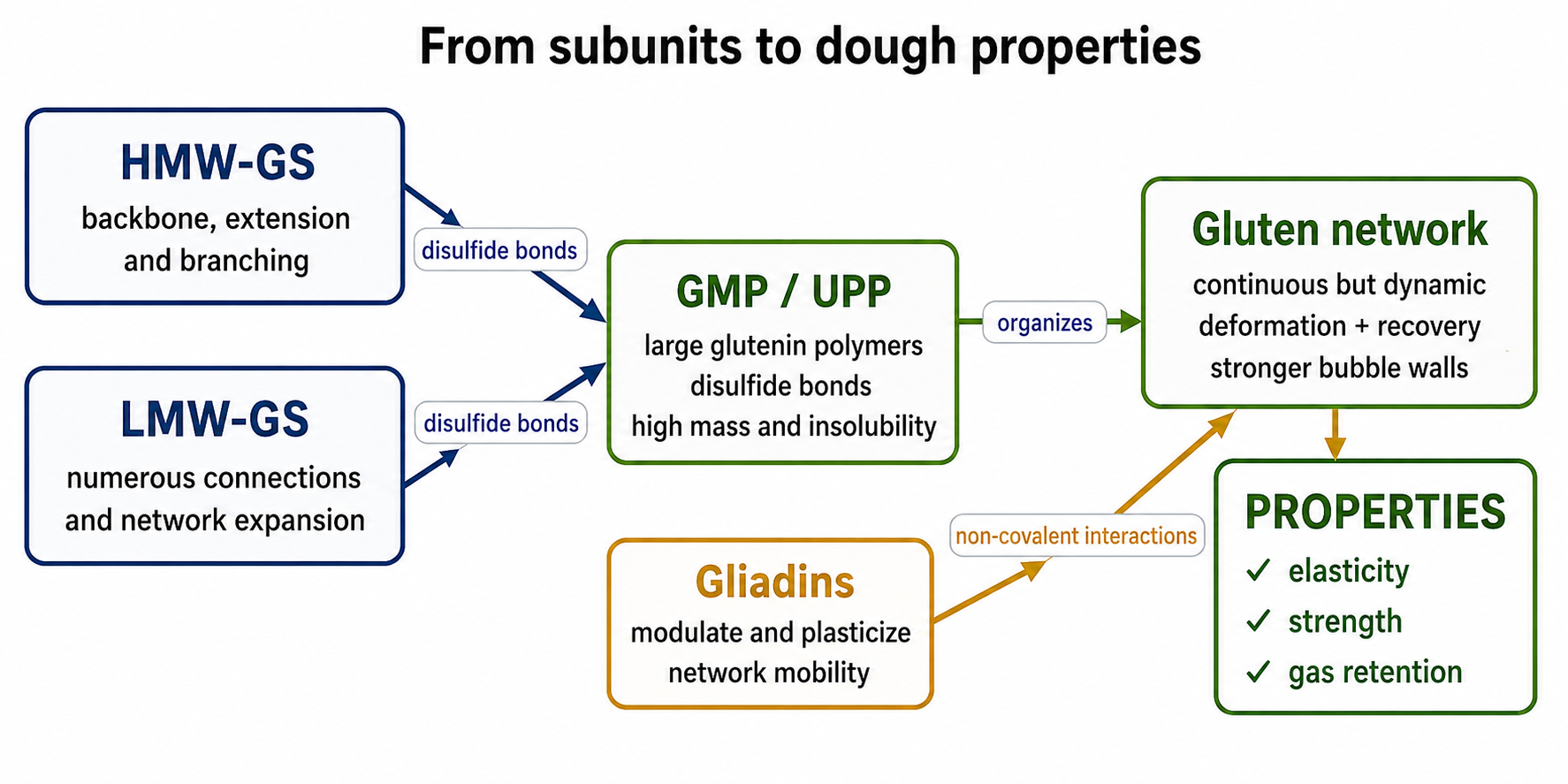
Figure 1 — The glutenin macropolymer as the link between protein composition and dough properties.
Definition and correct interpretation of the GLIA/GLUT ratio
The ratio is defined as: GLIA/GLUT = total gliadins / total glutenins. A value of 2 means that, in the material quantified using that method, gliadins are twice the amount of glutenins. If — and only if — both quantities are expressed on the same basis and their sum represents the gluten under consideration, the relative proportion can be derived mathematically: gliadin proportion = R / (1 + R); glutenin proportion = 1 / (1 + R).
|
GLIA/GLUT (R) |
Gliadins in GLIA + GLUT |
Glutenins in GLIA + GLUT |
|
2.0 |
66.7% |
33.3% |
|
4.0 |
80.0% |
20.0% |
|
8.0 |
88.9% |
11.1% |
|
12.0 |
92.3% |
7.7% |
Comparison among species: what the data really show
The most informative comparison is one in which different species are grown and analysed using the same protocol. Geisslitz and colleagues studied 300 samples: 15 cultivars of each of five species, grown at four locations in the same year. The flours were wholemeal and the protein fractions were determined using an adapted spectrophotometric procedure validated against RP-HPLC [3].
|
Species |
Ploidy / genome |
Observed GLIA/GLUT range |
|
Common wheat (T. aestivum) |
hexaploid, AABBDD |
1.6–3.8 |
|
Spelt (T. spelta) |
hexaploid, AABBDD |
2.3–4.8 |
|
Durum wheat (T. durum) |
tetraploid, AABB |
2.1–7.5 |
|
Emmer (T. dicoccum) |
tetraploid, AABB |
3.0–11.1 |
|
Einkorn (T. monococcum) |
diploid, AA |
3.7–12.1 |
[3]. Observed GLIA/GLUT range Species Ploidy / genome Common wheat (T. aestivum) hexaploid, AABBDD 1.6–3.8 Spelt (T. spelta) hexaploid, AABBDD 2.3–4.8 Durum wheat (T. durum) tetraploid, AABB 2.1–7.5 Emmer (T. dicoccum) tetraploid, AABB 3.0–11.1 Einkorn (T. monococcum) diploid, AA 3.7–12.1 The trend is clear: within the same experimental design, einkorn generally falls toward the higher values, whereas common wheat has lower values. The ranges, however, overlap. It is therefore incorrect to assign a single value to each species or to infer the species from the measured ratio [3]. An earlier standardized study of eight cultivars per species, grown at a single location, found approximate mean ratios of 2.6 in common wheat, 3.5 in spelt, 5.2 in emmer and 8.0 in einkorn. The same study showed that glutenin content, HMW-GS and glutenin macropolymer were more informative predictors of loaf volume than protein content alone [2].
3.1 Why values must not be transferred without caution
- The ratio varies among cultivars of the same species.
- Environment, temperature, water availability and nitrogen modify the accumulation and proportions of the fractions.
- White flour, semolina, wholemeal flour, isolated gluten and whole grain are not equivalent matrices.
- Osborne extraction, RP-HPLC, SE-HPLC, LC-MS and ELISA do not necessarily measure the same protein populations with the same recovery.
- Calibrants, glutenin solubilization and the basis used to express the result can also change the final value. A recent comparison between RP-HPLC and ELISA on 80 common-wheat flours is instructive: RP-HPLC yielded a GLIA/GLUT range of 1.3–2.9 (median 2.0), whereas ELISA yielded 0.8–7.5 (median 2.3); the correlation between the ratios obtained with the two methods was weak [6]. The ratio must therefore be accompanied by the matrix, protocol and calculation units.
Why einkorn tends to have a high ratio
Einkorn possesses only the A genome. Durum wheat possesses the A and B genomes; common wheat the A, B and D genomes. This different genomic architecture means that einkorn has only one Glu-1 homoeologous locus for HMW-GS, whereas polyploid wheats possess loci on the different genomes. It is correct to refer to a smaller number of available homoeologous loci, but not to necessarily “low diversity” at the Glu-A1 locus: broad allelic variability exists in diploid populations [7]. The smaller genomic complement does not determine the ratio by itself. The final phenotype depends on allele expression, the relative amounts of gliadins and glutenins, HMW/LMW composition and the capacity to build large polymers. In comparative datasets, einkorn often has less glutenin, fewer HMW-GS and less glutenin macropolymer, consistently with softer doughs and, on average, poorer bread-making performance [2,3].
4.1 Gliadins as plasticizers
A plasticizer is a molecule that, by inserting itself between polymer chains, increases their relative mobility and reduces overall rigidity. Gliadins perform an analogous function because they are relatively compact and predominantly monomeric molecules: they do not extend the network through intermolecular disulfide bonds, but position themselves between glutenin polymers and interact with them mainly through hydrogen bonds and hydrophobic forces. In this way they increase the distance and the possibility of sliding between glutenin segments, reduce the effective density of elastic connections per unit volume and facilitate energy dissipation. Rheologically, they reduce the time and work required for mixing, resistance to extension and stability, while increasing deformability and extensibility. Water cooperates in this effect: by hydrating proteins and polar groups, it screens some protein–protein interactions and further increases molecular mobility [4,5,12,13]. “Plasticizer,” however, does not mean an inert substance. Different gliadins have different structures, hydrophobicity and behaviour; α/β- and γ-gliadins can participate in non-covalent aggregation and, under certain baking conditions, in links with glutenins. The term therefore describes their average effect on the system, not an identical function for every molecule [12–14].
Rheological consequences, stickiness and bread-making quality
All other conditions being equal, an increase in GLIA/GLUT tends to shift the balance from an elastic response toward a viscous one. Experiments in which gliadins and glutenins were added in controlled proportions show that more glutenins increase mixing time and resistance to extension and reduce extensibility; more gliadins produce the opposite effect [4,5]. In practical terms, a high ratio is often associated with:
- faster development but lower tolerance to prolonged mixing;
- softer, stickier or more yielding dough;
- greater extensibility and lower resistance to stretching;
- lower capacity to stabilize gas bubbles during fermentation and baking;
- lower average specific loaf volume. These are trends, not automatic equivalences. The alveograph W value cannot be predicted from the GLIA/GLUT ratio alone. Hydration, glutenin-subunit quality, polymerization, starch damage, fibre, enzymatic activity and the bread-making process can attenuate or amplify the outcome. Moreover, a flour less suitable for high-volume bread may be suitable for biscuits, low-leavened products or formulations that make use of extensibility.
5.1 Why dough becomes sticky
Stickiness — commonly described as “tackiness” — is the tendency of dough to adhere to hands, tools or surfaces. It is not simply the same as extensibility: a dough can stretch without adhering much, or it can be weak and sticky. Adhesion increases when a viscous and mobile phase predominates at the surface and the internal elastic network does not develop sufficient cohesion to detach cleanly. A high relative gliadin content promotes this condition because it increases molecular sliding and reduces the continuity of the glutenin macropolymer. The network retains water less effectively; the proportion of weakly bound or easily redistributed water increases and a more mobile surface layer forms. Overhydration, proteolysis, amylase activity, reduction of disulfide bonds and overmixing can also produce or aggravate the same phenomenon
[17]. Regarding the subclasses, the data do not allow stickiness to be said to be “caused by γ-gliadins.” γ-gliadins have shown a strong effect in reducing resistance and mixing time
[12]; however, in the comparative study most directly devoted to stickiness, it was significantly correlated with ω-gliadins and not with α/β- or γ-gliadins [15]. The most accurate formulation is therefore: γ-gliadins can contribute to softening; a high proportion of ω-gliadins appears to be more directly associated with stickiness; the final result depends on the balance with glutenins, GMP and water.
5.2 Practical implications for einkorn
The typical behaviour of einkorn — extensible but fragile dough, reduced stability during fermentation and greater sensitivity to overworking — is consistent with its high GLIA/GLUT and smaller proportion of glutenin polymers. This helps explain why techniques designed for strong common wheat cannot be transferred automatically. Less aggressive mixing, strict control of hydration and temperature, acidification, calibrated times and shaping that respects the structure may become more important than prolonged mechanical processing.
Wholemeal and refined flour: what can be stated
The previous document stated that wholemeal flour would slightly increase GLIA/GLUT because of a greater presence of gliadins in the peripheral layers, a concentration of
HMW-GS in the centre of the endosperm and enzymatic fragmentation of polymers. These explanations, presented as a general mechanism, are not adequately supported by the cited data. Including bran and germ increases non-gluten proteins, fibre, lipids and enzymes and certainly modifies dough behaviour. It does not follow, however, that the ratio between extracted gliadins and glutenins must systematically increase. The outcome depends on the spatial distribution of the fractions, degree of milling, extraction efficiency and analytical basis. Any proteolysis during storage or mixing can modify polymer size without automatically converting glutenins into gliadins. The methodologically correct conclusion is more restrained: data obtained from wholemeal flours should not be compared directly with data from white flours or semolina without a study using the same genotype, cultivation and method. Matrix differences can alter recovery and quantification; there is no universal correction.
Nitrogen fertilization: can it also increase strength?
Nitrogen generally increases protein content, but its effects on individual fractions are not constant. In many experiments gliadins respond more markedly, with a possible increase in GLIA/GLUT; in other cases the response depends on cultivar, dose, timing of application and growing conditions. A quantitative review of gluten-protein chemistry reports, in one specific comparison, an average increase in the ratio of about 4.6% with high nitrogen input, not a multiple-fold change [8]. The very low values attributed in the previous document to durum wheat under “low” and “high nitrogen” were not comparable with the other ranges and must not be used to support a general rule. If the method, matrix or even the orientation of the ratio (GLIA/GLUT or GLUT/GLIA) changes, apparently similar numbers can mean different things. There are, however, studies in which nitrogen fertilization increased not only the quantity of protein but also technological strength. In a three-year experiment on common wheat in Italy, late nitrogen at heading increased protein content by 1.2 percentage points and the alveograph W value by 22%; all gluten fractions increased to a similar extent, without a significant change in their relative ratios [18]. In this case, the greater strength derived mainly from the larger overall amount of functional protein. In near-isogenic lines treated with 0–120 kg N/ha at booting, nitrogen increased glutenins, HMW-GS, disulfide-bond concentration and the appearance of GMP during grain filling. Development time, stability and maximum dough resistance also increased; however, the magnitude of the response depended on the Glu-D1 allele [19]. Another study observed that combined nitrogen and sulfur application at anthesis increased polymeric proteins, molecular mass, compactness, strength and consistency [20]. The conclusion is therefore nuanced: yes, nitrogen can increase strength through more total protein and, under some conditions, more glutenins and greater polymerization. But this effect is not guaranteed. If nitrogen mainly favours gliadins, if sulfur is insufficient to synthesize cysteine-rich proteins, or if genotype and climate direct accumulation differently, the ratio may increase without a corresponding improvement in the network. Excessive dose, lodging, yield, application timing and environmental impact also prevent the technological finding from being turned into a general agronomic recommendation.
GLIA/GLUT ratio and biological implications: distinct levels
The GLIA/GLUT ratio originated as a compositional and technological descriptor. It is not a clinical index of coeliac toxicity, allergenicity or tolerability in non-coeliac wheat sensitivity.
8.1 Coeliac disease
In coeliac disease, peptides rich in proline and glutamine partially resist digestion; tissue transglutaminase 2 deamidates specific glutamine residues, increasing the affinity of certain peptides for HLA-DQ2 or HLA-DQ8 and promoting T-cell activation. Clinically relevant epitopes are not confined to a single fraction: they have been described in α-, γ- and ω-gliadins and also in glutenins [9–11]. Einkorn may show different peptide profiles and, in some ex vivo experiments, release fewer immunogenic peptides than other wheats. This does not make it safe: sequence catalogues and digestion studies show that it has the potential to activate coeliac disease. It must therefore be excluded from the diet of patients with coeliac disease [9–11].
8.2 What the secondary structure of proteins implies
Protein chains are not shapeless threads. Local segments adopt α-helices, β-sheets, β-turns or disordered conformations; these structures determine how closely chains can approach, form hydrogen bonds, expose hydrophobic groups and participate in aggregates. In β-sheets, adjacent segments are stabilized by an ordered network of hydrogen bonds; an increase in them may accompany aggregation and greater cohesion. α-helices are more compact intramolecular structures; disordered regions offer greater flexibility and accessibility. Conformation changes during mixing: an FTIR study observed coordinated increases in α-helix, β-turn and β-sheet and a reduction in random coil up to the point of optimum consistency. This indicates progressive ordering of the proteins as the network forms [21]. The relationship is not univocal, however: an increase in β-sheets can appear both in a more aggregated and resistant network and after depolymerization induced by reducing agents. Interpretation requires simultaneous knowledge of disulfide bonds, polymer molecular mass, hydration and rheological properties [17,22]. Secondary structure therefore has practical implications for: aggregation capacity; thermal stability; water retention and mobility; elasticity and viscosity; accessibility to digestive enzymes; and changes during mixing, fermentation and baking. On its own, however, it is not an index of quality or digestibility: it is one part of the structural mechanism and must be interpreted together with GMP organization and non-covalent interactions.
8.3 Non-coeliac sensitivity and individual tolerance
“Einkorn wheat is frequently used by people with non-coeliac gluten sensitivity (NCGS), although definitive clinical evidence validated on a large scale is lacking and subject to specific individual intolerances established clinically.
From a research perspective, the shortage of structured clinical studies is linked to economic sustainability: private funding tends to focus on proprietary industrial assets, while public institutions, constrained by limited resources, prioritise health areas with greater epidemiological impact.
Nevertheless, the current widespread consumption of this variety provides an empirical indicator in the community: any significant incidence of adverse reactions would be promptly detected and highlighted by active health-surveillance channels through the daily practice of general practitioners, gastroenterologists and nutritionists.”
How to use the GLIA/GLUT ratio correctly
The ratio is informative when used within a controlled comparison. Its interpretation requires at least:
- species and cultivar;
- year and growing environment;
- sample type: grain, wholemeal flour, refined flour, semolina or isolated gluten;
- extraction protocol and quantification technique;
- exact definition of the fractions included;
- total protein content and absolute gliadin and glutenin contents;
- if the objective is technological, HMW-GS, LMW-GS, glutenin macropolymer and a rheological or bread-making measurement. The ratio is much less informative when isolated from the method or transformed into a health indicator. Two errors to avoid are: comparing numbers produced by different techniques as though they belonged to the same scale; and interpreting “less glutenin” as “less gluten” or “less immunogenicity.”
Conclusions
- Gluten is formed mainly by monomeric gliadins and polymeric glutenins, which have complementary rheological functions.
- A high GLIA/GLUT indicates a relative predominance of gliadins, but its value depends on genotype, environment, matrix and method.
- In standardized comparisons, einkorn often has the highest ratios and smaller amounts of glutenins, HMW-GS and glutenin macropolymers.
- This composition contributes to more extensible, less elastic and less stable doughs, but it does not determine all bread-making performance by itself.
- Ploidy helps explain locus architecture, but does not justify describing einkorn as having little genetic variability.
- Wholemeal flour has not been shown to universally increase GLIA/GLUT; comparisons among different matrices require consistent protocols.
- GLIA/GLUT is not an index of clinical safety. Einkorn contains gluten and is not suitable for people with coeliac disease.
- Stickiness cannot be attributed to a single gliadin: γ-gliadins can soften the network, whereas ω-gliadins show the most direct association with stickiness in the available data.
- Nitrogen fertilization can increase dough strength, but the effect depends on genotype, sulfur, environment, dose and timing of application.
- Secondary structure influences aggregation, water and rheology, but must be interpreted together with disulfide bonds and polymer size.
Final note — Which gluten structure is most suitable for bread, pasta and pizza?
There is no gluten composition that is best in absolute terms. Functional quality depends on the product and the process: bread primarily requires gas development and retention; dried pasta must retain a compact protein matrix during cooking; pizza must combine fermentation stability with ease of stretching. Protein quantity, GLIA/GLUT, HMW-GS, LMW-GS, GMP/UPP and interactions with starch and water must therefore be assessed together.
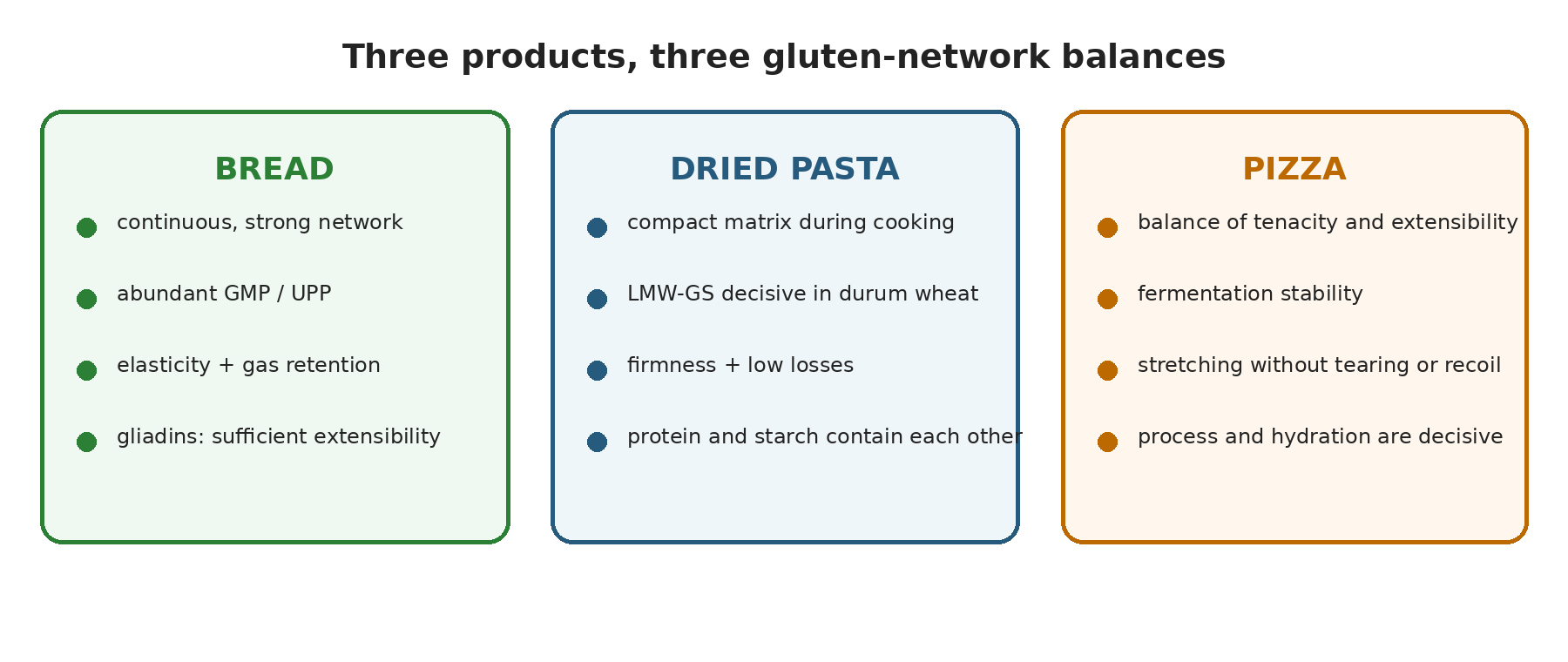
Figure 2 — The desirable gluten structure changes according to the product and the process.
Leavened bread
- Desirable profile: a relatively high proportion of glutenins and unextractable polymeric proteins, abundant GMP/UPP and a distribution oriented toward high molecular masses.
- Subunits: HMW-GS capable of supporting long, branched polymers are particularly important; in common wheat some combinations, such as 5+10 at the Glu-D1 locus, are often
associated with strong doughs, but the effect depends on the genetic background and the balance with LMW-GS [4,12].
- Function: high elasticity, mixing stability, resistance to extension and the capacity to retain bubbles until baking. At equal protein content, increasing the glutenin/gliadin ratio tends to increase dough strength and loaf volume but reduce extensibility [23].
- Limit: an excessively tenacious network requires more energy, expands with difficulty and can produce dough with poor extensibility; a sufficient proportion of gliadins is therefore needed to plasticize the network.
Dried durum-wheat semolina pasta
- Desirable profile: an adequate protein quantity and a continuous, compact and poorly permeable network capable of enclosing starch granules and limiting their release into cooking water.
- Subunits: in durum wheat, LMW-GS variability, especially at the Glu-B3 locus, is often more decisive than the proportion of HMW-GS alone. The LMW-2 pattern is generally associated with stronger gluten than LMW-1. γ-gliadin 45 is primarily a genetic marker linked to LMW-2, whereas γ-42 is more often linked to LMW-1; γ-gliadin alone does not determine quality [24].
- Function: good firmness, lower surface stickiness and lower cooking losses. Recent studies nevertheless show that, within commercial ranges, protein content may matter more than strength and that the advantage of strong gluten emerges mainly with overcooking or weak semolina [25].
- Limit: indiscriminately increasing HMW-GS or strength does not guarantee firmer pasta; the effects depend on genotype, protein quantity, starch and drying temperature [24,25].
Pizza
- Desirable profile: an intermediate balance between the glutenin network and gliadin plasticization. The dough must retain gas during fermentation but also stretch into a thin disc without tearing or shrinking excessively.
- Subunits and polymers: sufficient GMP/UPP and HMW-GS are needed to support hydration, fermentation and toppings; an excessive proportion of very large polymers or an excessively high glutenin/gliadin ratio can increase tenacity and elastic recoil. Gliadins, within a balanced ratio, facilitate stretching and expansion in the oven.
- Process: a long-fermented, highly hydrated or pan-baked pizza generally requires greater stability than a thin pizza with short fermentation. For this reason, optimum composition cannot be separated from duration, temperature, acidification, proteolysis, hydration and baking method.
- Limit: the W value, protein content or GLIA/GLUT, considered individually, do not identify the ideal flour. Studies on Neapolitan pizzas confirm the usefulness of combining alveographic, chemical and fermentation parameters [26].
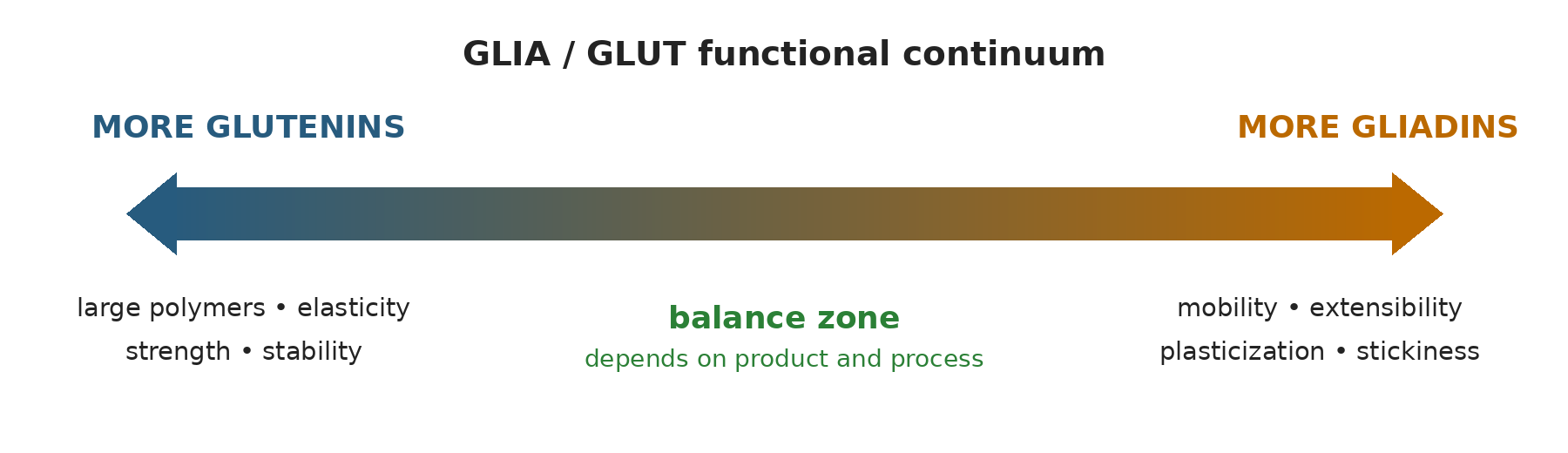
Figure 3 — The ratio between the two protein families describes a continuum, not two rigid categories.
For fresh egg pasta or laminated pasta, the requirement changes again: excessive tenacity may hinder sheet rolling. The note on pasta therefore refers mainly to dried durum-wheat semolina pasta.
References
[1] Wieser H. Chemistry of gluten proteins. Food Microbiology. 2007;24(2):115–119. doi:10.1016/j.fm.2006.07.004.
[2] Geisslitz S, Wieser H, Scherf KA, Koehler P. Gluten protein composition and aggregation properties as predictors for bread volume of common wheat, spelt, durum wheat, emmer and einkorn. Journal of Cereal Science. 2018;83:204–212. doi:10.1016/j.jcs.2018.08.012.
[3] Geisslitz S, Longin CFH, Scherf KA, Koehler P. Comparative study on gluten protein composition of ancient (einkorn, emmer and spelt) and modern wheat species (durum and common wheat). Foods. 2019;8(9):409. doi:10.3390/foods8090409.
[4] Dhaka V, Khatkar BS. Effects of gliadin/glutenin and HMW-GS/LMW-GS ratio on dough rheological properties and bread-making potential of wheat varieties. Journal of Food Quality. 2015;38(2):71–82. doi:10.1111/jfq.12122.
[5] Barak S, Mudgil D, Khatkar BS. Relationship of gliadin and glutenin proteins with dough rheology, flour pasting and bread making performance of wheat varieties. LWT – Food Science and Technology. 2013;51(1):211–217. doi:10.1016/j.lwt.2012.09.011.
[6] Scherf KA, et al. Rapid analysis of wheat gluten composition using a triple ELISA. Journal of the Science of Food and Agriculture. 2024. doi:10.1002/jsfa.13521.
[7] Payne PI. Genetics of wheat storage proteins and the effect of allelic variation on bread-making quality. Annual Review of Plant Physiology. 1987;38:141–153. doi:10.1146/annurev.pp.38.060187.001041.
[8] Wieser H, Koehler P, Scherf KA. Chemistry of wheat gluten proteins: quantitative composition. Cereal Chemistry. 2023;100:9–22. doi:10.1002/cche.10553.
[9] Ozuna CV, Iehisa JCM, Giménez MJ, Alvarez JB, Sousa C, Barro F. Diversification of the celiac disease α-gliadin complex in wheat: a 33-mer peptide with six overlapping epitopes, evolved following polyploidization. The Plant Journal. 2015;82(5):794–805. doi:10.1111/tpj.12851.
[10] Vaccino P, Becker HA, Brandolini A, Salamini F, Kilian B. A catalogue of Triticum monococcum genes encoding toxic and immunogenic peptides for celiac disease patients. Molecular Genetics and Genomics. 2009;281:289–300. doi:10.1007/s00438-008-0412-8.
[11] Asledottir T, Rehman R, Mamone G, et al. Ancestral wheat types release fewer celiac disease related T-cell epitopes than common wheat upon ex vivo human gastrointestinal digestion. Foods. 2020;9(9):1173. doi:10.3390/foods9091173.
[12] Khatkar BS, Fido RJ, Tatham AS, Schofield JD. Functional properties of wheat gliadins. I. Effects on mixing characteristics and bread making quality. Journal of Cereal Science. 2002;35(3):299–306. doi:10.1006/jcrs.2001.0429.
[13] Khatkar BS, Barak S, Mudgil D. Effects of gliadin fractions on functional properties of wheat dough depending on molecular size and hydrophobicity. Cereal Chemistry. 2001;78(2):138–141. doi:10.1094/CCHEM.2001.78.2.138.
[14] Khatkar BS, Fido RJ, Tatham AS, Schofield JD. Functional properties of wheat gliadins. II. Effects on dynamic rheological properties of wheat gluten. Journal of Cereal Science. 2002;35(3):307–313. doi:10.1006/jcrs.2001.0430.
[15] Gao X, et al. Relationship between dough stickiness and wheat gliadin composition based on RP-HPLC. Journal of Henan Agricultural Sciences. 2024;53(6):11–17. doi:10.15933/j.cnki.1004-3268.2024.06.002.
[16] Gupta RB, Khan K, MacRitchie F. Biochemical basis of flour properties in bread wheats. I. Effects of variation in the quantity and size distribution of polymeric protein. Journal of Cereal Science. 1993;18(1):23–41. doi:10.1006/jcrs.1993.1031.
[17] Guo L, Fang F, Zhang Y, Xu D, Jin Z, Xu X. Glutathione affects rheology and water distribution of wheat dough by changing gluten conformation and protein depolymerisation. International Journal of Food Science & Technology. 2021;56(7):3157–3165. doi:10.1111/ijfs.14806.
[18] Blandino M, et al. Effect of nitrogen fertilization and fungicide application at heading on the gluten protein composition and rheological quality of wheat. Agronomy. 2021;11(9):1687. doi:10.3390/agronomy11091687.
[19] Xue C, et al. Effects of nitrogen application in the wheat booting stage on glutenin polymerization and structural–thermal properties of gluten with variations in HMW-GS at the Glu-D1 locus. Foods. 2020;9(3):353. doi:10.3390/foods9030353.
[20] Tea I, Genter T, Naulet N, Boyer V, Lummerzheim M, Kleiber D. Effect of foliar sulfur and nitrogen fertilization on wheat storage protein composition and dough mixing properties. Cereal Chemistry. 2004;81(6):759–766. doi:10.1094/CCHEM.2004.81.6.759.
[21] Seabourn BW, Chung OK, Seib PA, Mathewson PR. Determination of secondary structural changes in gluten proteins during mixing using Fourier transform horizontal attenuated total reflectance spectroscopy. Journal of Agricultural and Food Chemistry. 2008;56(11):4236–4243. doi:10.1021/jf703569b.
[22] Mejri M, Rogé B, BenSouissi A, et al. Effects of catechins on the polymerisation behaviour, conformation and viscoelasticity of wheat gluten. International Journal of Food Science & Technology. 2021;56(2):753–761. doi:10.1111/ijfs.14719.
[23] Uthayakumaran S, Gras PW, Stoddard FL, Bekes F. Effect of varying protein content and glutenin-to-gliadin ratio on the functional properties of wheat dough. Cereal Chemistry. 1999;76(3):389–394. doi:10.1094/CCHEM.1999.76.3.389.
[24] Rao VS, Bhosale SB. Relationship between gluten strength and pasta firmness in Indian durum wheats. International Journal of Food Science & Technology. 2006;41(5):538–544. doi:10.1111/j.1365-2621.2005.01103.x.
[25] Wang K, Sissons M, Fu BX. Unveiling the impact of durum wheat protein quantity and quality on textural properties and microstructure of cooked pasta. Cereal Chemistry. 2023;100:765–778. doi:10.1002/cche.10627.
[26] Formato A, Pepe O. Pizza dough differentiation by principal component analysis of alveographic, microbiological, and chemical parameters. Cereal Chemistry. 2005;82(4):356–360. doi:10.1094/CC-82-0356.