Header Image - Gluten Light

Tag Archives

8 Articles

Wheat storage proteins, the GLIA/GLUT ratio, and structural, rheological and immunological implications

by luciano

Abstract

The wheat storage proteins that form gluten comprise mainly monomeric gliadins and polymeric glutenins. Gliadins contribute primarily to dough viscosity and extensibility, whereas glutenins, through polymers stabilised by intermolecular disulphide bonds, support elasticity, strength and stability. The GLIA/GLUT ratio – total gliadins divided by total glutenins – is therefore a useful indicator of the balance between the two fractions, but it is not an absolute property of a wheat species: it depends on genotype, environment, fertilisation, sample matrix and analytical method. In comparisons performed with uniform procedures, common wheat generally has lower ratios, whereas spelt, durum wheat, emmer and especially einkorn often have higher ratios. In the largest comparative dataset available, based on 15 cultivars per species grown at four locations, the observed ranges were 1.6-3.8 for common wheat, 2.3-4.8 for spelt, 2.1-7.5 for durum wheat, 3.011.1 for emmer and 3.7-12.1 for einkorn [3]. These ranges describe that specific experimental design and must not be turned into universal thresholds.

Technologically, a high ratio is generally associated with softer, more extensible and less stable doughs with lower bread-making performance. The ratio alone, however, does not determine quality. Total protein quantity, HMW-GS and LMW-GS composition, polymer size, glutenin macropolymer content, molecular-weight distribution, and interactions with starch, lipids, fibres and enzymes also matter [1-5]. Clinically, GLIA/GLUT measures neither safety for people with coeliac disease nor individual digestibility: einkorn contains sequences capable of activating the coeliac immune response and is not suitable for a gluten-free diet [9-11].

What are gliadins and glutenins?

Wheat grain proteins are traditionally divided, according to solubility, into albumins, globulins, gliadins and glutenins. Gliadins and glutenins are the main storage proteins of the endosperm and, after hydration and mixing, form the protein component of gluten [1].

1.1 Gliadins

Gliadins are mostly monomeric proteins soluble in aqueous alcohol. Based on electrophoretic mobility and sequence, they are grouped mainly into alpha/beta-, gamma- and omega-gliadins. Many alpha/beta- and gamma-gliadins contain intramolecular disulphide bonds but do not normally build the large intermolecular polymers typical of glutenins. In dough they act mainly as viscous, plasticising components: they promote flow and extensibility and, within limits, reduce network rigidity [1,2].

1.1.1 The subclasses are not equivalent The alpha/beta, gamma and omega classification is not merely descriptive: it reflects differences in sequence, sulphur content, structure and interaction with the network. Their functions are not rigidly isolated, however; each fraction contains many proteins and alleles, and the observed effect depends on the flour in which it occurs.

• Alpha/beta-gliadins: rich in glutamine and proline, usually with six cysteines forming three intramolecular disulphide bonds. They do not become stable parts of the glutenin macropolymer, but participate in hydrogen bonding and hydrophobic interactions. Addition experiments show that they mainly increase mobility and extensibility, generally weakening dough less than gamma- and omega-gliadins [12,13].

• Gamma-gliadins: generally contain eight cysteines and a more disulphide-rich intramolecular structure. They remain predominantly monomeric but interact strongly through non-covalent bonds; during baking, some may bind covalently to glutenins through thiol-disulphide exchange. In controlled tests, the gamma fraction caused the greatest reduction in mixing time and maximum resistance to extension, indicating a marked softening and fluidising effect [12,14].

• Omega-gliadins: very rich in glutamine and proline and poor in, or devoid of, cysteine. Except for rare variants, they cannot form disulphide bonds and depend mainly on hydrogen bonds and hydrophobic interactions. They are the most characteristically viscous fraction: they reduce loaf stability and height, and in a 2024 investigation of 74 genotypes their relative proportion was positively associated with dough stickiness [13,15].

1.2 Glutenins

Glutenins are assembled into polymers through intermolecular disulfide bonds. Their subunits are classified as HMW-GS (high-molecular-weight glutenin subunits) and LMW-GS (low-molecular-weight glutenin subunits). HMW-GS account for a quantitatively smaller proportion, but strongly influence polymer size and architecture; LMW-GS are more abundant and also contribute to the network. Together they confer resistance to deformation, elasticity, recovery capacity and mixing stability [1,2].

1.3 Gluten is a system: the central role of the glutenin macropolymer

Describing gluten as simply the sum of gliadins and glutenins is useful but incomplete. The decisive property is not only how much glutenin is present, but how much of it is organized into very large polymers and how those polymers are connected. The fraction of greatest technological interest is referred to as the glutenin macropolymer (GMP) or — depending on the extraction method — as unextractable polymeric protein (UPP), meaning polymeric protein not extractable in SDS without a reducing agent. GMP and UPP are not perfect analytical synonyms, but both describe the most aggregated and least soluble portion of the glutenin network [2,16]. The macropolymer is formed mainly through intermolecular disulfide bonds. HMW-GS act as extension and branching elements of the backbone, while the more numerous LMW-GS expand and connect the network. This is not a static mesh: during hydration and mixing, disulfide bonds, hydrogen bonds and hydrophobic interactions break and reform. Mechanical energy aligns and brings the chains closer together; thiol–disulfide exchange permits redistribution of the connections. A continuous network thus develops, capable of deforming, storing elastic energy and partially recovering its shape. The amount of GMP/UPP and the molecular-size distribution are often more closely correlated with dough strength and loaf volume than total protein content or GLIA/GLUT alone. If the polymer is abundant, has high molecular mass and is well connected, bubble walls resist gas pressure. If it is scarce or depolymerized, the dough may contain much protein yet still behave as a weak, viscous and yielding system [2,16,17]. Gliadins occupy the spaces between these polymers and modulate their mobility. Water, starch, lipids, arabinoxylans, fibre, salts, enzymes and redox state further modify hydration and protein contacts. Two flours with the same GLIA/GLUT may therefore perform differently if they differ in GMP/UPP, HMW-GS/LMW-GS ratio, alleles present, molecular-mass distribution or total protein quantity [2,4,5].
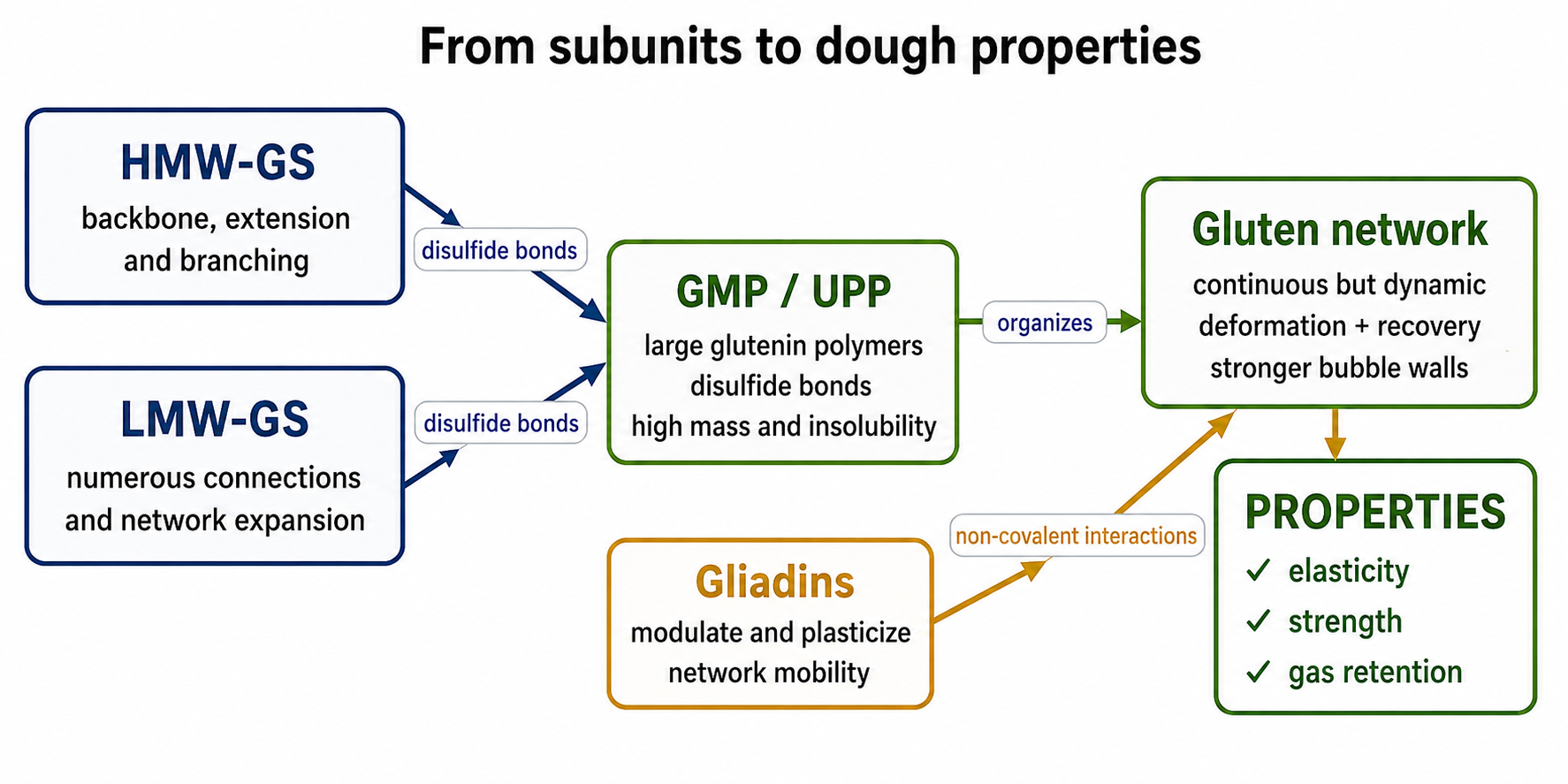


Figure 1 — The glutenin macropolymer as the link between protein composition and dough properties.

Definition and correct interpretation of the GLIA/GLUT ratio

The ratio is defined as: GLIA/GLUT = total gliadins / total glutenins. A value of 2 means that, in the material quantified using that method, gliadins are twice the amount of glutenins. If — and only if — both quantities are expressed on the same basis and their sum represents the gluten under consideration, the relative proportion can be derived mathematically: gliadin proportion = R / (1 + R); glutenin proportion = 1 / (1 + R).


GLIA/GLUT (R)

Gliadins in GLIA + GLUT

Glutenins in GLIA + GLUT

2.0

66.7%

33.3%

4.0

80.0%

20.0%

8.0

88.9%

11.1%

12.0

92.3%

7.7%


Comparison among species: what the data really show

The most informative comparison is one in which different species are grown and analysed using the same protocol. Geisslitz and colleagues studied 300 samples: 15 cultivars of each of five species, grown at four locations in the same year. The flours were wholemeal and the protein fractions were determined using an adapted spectrophotometric procedure validated against RP-HPLC [3].


Species

Ploidy / genome

Observed GLIA/GLUT range

Common wheat (T. aestivum)

hexaploid, AABBDD

1.6–3.8

Spelt (T. spelta)

hexaploid, AABBDD

2.3–4.8

Durum wheat (T. durum)

tetraploid, AABB

2.1–7.5

Emmer (T. dicoccum)

tetraploid, AABB

3.0–11.1

Einkorn (T. monococcum)

diploid, AA

3.7–12.1


[3]. Observed GLIA/GLUT range Species Ploidy / genome Common wheat (T. aestivum) hexaploid, AABBDD 1.6–3.8 Spelt (T. spelta) hexaploid, AABBDD 2.3–4.8 Durum wheat (T. durum) tetraploid, AABB 2.1–7.5 Emmer (T. dicoccum) tetraploid, AABB 3.0–11.1 Einkorn (T. monococcum) diploid, AA 3.7–12.1 The trend is clear: within the same experimental design, einkorn generally falls toward the higher values, whereas common wheat has lower values. The ranges, however, overlap. It is therefore incorrect to assign a single value to each species or to infer the species from the measured ratio [3]. An earlier standardized study of eight cultivars per species, grown at a single location, found approximate mean ratios of 2.6 in common wheat, 3.5 in spelt, 5.2 in emmer and 8.0 in einkorn. The same study showed that glutenin content, HMW-GS and glutenin macropolymer were more informative predictors of loaf volume than protein content alone [2].

3.1 Why values must not be transferred without caution

  • The ratio varies among cultivars of the same species.
  • Environment, temperature, water availability and nitrogen modify the accumulation and proportions of the fractions.
  • White flour, semolina, wholemeal flour, isolated gluten and whole grain are not equivalent matrices.
  • Osborne extraction, RP-HPLC, SE-HPLC, LC-MS and ELISA do not necessarily measure the same protein populations with the same recovery.
  • Calibrants, glutenin solubilization and the basis used to express the result can also change the final value. A recent comparison between RP-HPLC and ELISA on 80 common-wheat flours is instructive: RP-HPLC yielded a GLIA/GLUT range of 1.3–2.9 (median 2.0), whereas ELISA yielded 0.8–7.5 (median 2.3); the correlation between the ratios obtained with the two methods was weak [6]. The ratio must therefore be accompanied by the matrix, protocol and calculation units.

Why einkorn tends to have a high ratio

Einkorn possesses only the A genome. Durum wheat possesses the A and B genomes; common wheat the A, B and D genomes. This different genomic architecture means that einkorn has only one Glu-1 homoeologous locus for HMW-GS, whereas polyploid wheats possess loci on the different genomes. It is correct to refer to a smaller number of available homoeologous loci, but not to necessarily “low diversity” at the Glu-A1 locus: broad allelic variability exists in diploid populations [7]. The smaller genomic complement does not determine the ratio by itself. The final phenotype depends on allele expression, the relative amounts of gliadins and glutenins, HMW/LMW composition and the capacity to build large polymers. In comparative datasets, einkorn often has less glutenin, fewer HMW-GS and less glutenin macropolymer, consistently with softer doughs and, on average, poorer bread-making performance [2,3].

4.1 Gliadins as plasticizers

A plasticizer is a molecule that, by inserting itself between polymer chains, increases their relative mobility and reduces overall rigidity. Gliadins perform an analogous function because they are relatively compact and predominantly monomeric molecules: they do not extend the network through intermolecular disulfide bonds, but position themselves between glutenin polymers and interact with them mainly through hydrogen bonds and hydrophobic forces. In this way they increase the distance and the possibility of sliding between glutenin segments, reduce the effective density of elastic connections per unit volume and facilitate energy dissipation. Rheologically, they reduce the time and work required for mixing, resistance to extension and stability, while increasing deformability and extensibility. Water cooperates in this effect: by hydrating proteins and polar groups, it screens some protein–protein interactions and further increases molecular mobility [4,5,12,13]. “Plasticizer,” however, does not mean an inert substance. Different gliadins have different structures, hydrophobicity and behaviour; α/β- and γ-gliadins can participate in non-covalent aggregation and, under certain baking conditions, in links with glutenins. The term therefore describes their average effect on the system, not an identical function for every molecule [12–14].

Rheological consequences, stickiness and bread-making quality

All other conditions being equal, an increase in GLIA/GLUT tends to shift the balance from an elastic response toward a viscous one. Experiments in which gliadins and glutenins were added in controlled proportions show that more glutenins increase mixing time and resistance to extension and reduce extensibility; more gliadins produce the opposite effect [4,5]. In practical terms, a high ratio is often associated with:

  • faster development but lower tolerance to prolonged mixing;
  • softer, stickier or more yielding dough;
  • greater extensibility and lower resistance to stretching;
  • lower capacity to stabilize gas bubbles during fermentation and baking;
  • lower average specific loaf volume. These are trends, not automatic equivalences. The alveograph W value cannot be predicted from the GLIA/GLUT ratio alone. Hydration, glutenin-subunit quality, polymerization, starch damage, fibre, enzymatic activity and the bread-making process can attenuate or amplify the outcome. Moreover, a flour less suitable for high-volume bread may be suitable for biscuits, low-leavened products or formulations that make use of extensibility.

5.1 Why dough becomes sticky

Stickiness — commonly described as “tackiness” — is the tendency of dough to adhere to hands, tools or surfaces. It is not simply the same as extensibility: a dough can stretch without adhering much, or it can be weak and sticky. Adhesion increases when a viscous and mobile phase predominates at the surface and the internal elastic network does not develop sufficient cohesion to detach cleanly. A high relative gliadin content promotes this condition because it increases molecular sliding and reduces the continuity of the glutenin macropolymer. The network retains water less effectively; the proportion of weakly bound or easily redistributed water increases and a more mobile surface layer forms. Overhydration, proteolysis, amylase activity, reduction of disulfide bonds and overmixing can also produce or aggravate the same phenomenon

[17]. Regarding the subclasses, the data do not allow stickiness to be said to be “caused by γ-gliadins.” γ-gliadins have shown a strong effect in reducing resistance and mixing time

[12]; however, in the comparative study most directly devoted to stickiness, it was significantly correlated with ω-gliadins and not with α/β- or γ-gliadins [15]. The most accurate formulation is therefore: γ-gliadins can contribute to softening; a high proportion of ω-gliadins appears to be more directly associated with stickiness; the final result depends on the balance with glutenins, GMP and water.

5.2 Practical implications for einkorn

The typical behaviour of einkorn — extensible but fragile dough, reduced stability during fermentation and greater sensitivity to overworking — is consistent with its high GLIA/GLUT and smaller proportion of glutenin polymers. This helps explain why techniques designed for strong common wheat cannot be transferred automatically. Less aggressive mixing, strict control of hydration and temperature, acidification, calibrated times and shaping that respects the structure may become more important than prolonged mechanical processing.

Wholemeal and refined flour: what can be stated

The previous document stated that wholemeal flour would slightly increase GLIA/GLUT because of a greater presence of gliadins in the peripheral layers, a concentration of

HMW-GS in the centre of the endosperm and enzymatic fragmentation of polymers. These explanations, presented as a general mechanism, are not adequately supported by the cited data. Including bran and germ increases non-gluten proteins, fibre, lipids and enzymes and certainly modifies dough behaviour. It does not follow, however, that the ratio between extracted gliadins and glutenins must systematically increase. The outcome depends on the spatial distribution of the fractions, degree of milling, extraction efficiency and analytical basis. Any proteolysis during storage or mixing can modify polymer size without automatically converting glutenins into gliadins. The methodologically correct conclusion is more restrained: data obtained from wholemeal flours should not be compared directly with data from white flours or semolina without a study using the same genotype, cultivation and method. Matrix differences can alter recovery and quantification; there is no universal correction.

Nitrogen fertilization: can it also increase strength?

Nitrogen generally increases protein content, but its effects on individual fractions are not constant. In many experiments gliadins respond more markedly, with a possible increase in GLIA/GLUT; in other cases the response depends on cultivar, dose, timing of application and growing conditions. A quantitative review of gluten-protein chemistry reports, in one specific comparison, an average increase in the ratio of about 4.6% with high nitrogen input, not a multiple-fold change [8]. The very low values attributed in the previous document to durum wheat under “low” and “high nitrogen” were not comparable with the other ranges and must not be used to support a general rule. If the method, matrix or even the orientation of the ratio (GLIA/GLUT or GLUT/GLIA) changes, apparently similar numbers can mean different things. There are, however, studies in which nitrogen fertilization increased not only the quantity of protein but also technological strength. In a three-year experiment on common wheat in Italy, late nitrogen at heading increased protein content by 1.2 percentage points and the alveograph W value by 22%; all gluten fractions increased to a similar extent, without a significant change in their relative ratios [18]. In this case, the greater strength derived mainly from the larger overall amount of functional protein. In near-isogenic lines treated with 0–120 kg N/ha at booting, nitrogen increased glutenins, HMW-GS, disulfide-bond concentration and the appearance of GMP during grain filling. Development time, stability and maximum dough resistance also increased; however, the magnitude of the response depended on the Glu-D1 allele [19]. Another study observed that combined nitrogen and sulfur application at anthesis increased polymeric proteins, molecular mass, compactness, strength and consistency [20]. The conclusion is therefore nuanced: yes, nitrogen can increase strength through more total protein and, under some conditions, more glutenins and greater polymerization. But this effect is not guaranteed. If nitrogen mainly favours gliadins, if sulfur is insufficient to synthesize cysteine-rich proteins, or if genotype and climate direct accumulation differently, the ratio may increase without a corresponding improvement in the network. Excessive dose, lodging, yield, application timing and environmental impact also prevent the technological finding from being turned into a general agronomic recommendation.

GLIA/GLUT ratio and biological implications: distinct levels

The GLIA/GLUT ratio originated as a compositional and technological descriptor. It is not a clinical index of coeliac toxicity, allergenicity or tolerability in non-coeliac wheat sensitivity.

8.1 Coeliac disease

In coeliac disease, peptides rich in proline and glutamine partially resist digestion; tissue transglutaminase 2 deamidates specific glutamine residues, increasing the affinity of certain peptides for HLA-DQ2 or HLA-DQ8 and promoting T-cell activation. Clinically relevant epitopes are not confined to a single fraction: they have been described in α-, γ- and ω-gliadins and also in glutenins [9–11]. Einkorn may show different peptide profiles and, in some ex vivo experiments, release fewer immunogenic peptides than other wheats. This does not make it safe: sequence catalogues and digestion studies show that it has the potential to activate coeliac disease. It must therefore be excluded from the diet of patients with coeliac disease [9–11].

8.2 What the secondary structure of proteins implies

Protein chains are not shapeless threads. Local segments adopt α-helices, β-sheets, β-turns or disordered conformations; these structures determine how closely chains can approach, form hydrogen bonds, expose hydrophobic groups and participate in aggregates. In β-sheets, adjacent segments are stabilized by an ordered network of hydrogen bonds; an increase in them may accompany aggregation and greater cohesion. α-helices are more compact intramolecular structures; disordered regions offer greater flexibility and accessibility. Conformation changes during mixing: an FTIR study observed coordinated increases in α-helix, β-turn and β-sheet and a reduction in random coil up to the point of optimum consistency. This indicates progressive ordering of the proteins as the network forms [21]. The relationship is not univocal, however: an increase in β-sheets can appear both in a more aggregated and resistant network and after depolymerization induced by reducing agents. Interpretation requires simultaneous knowledge of disulfide bonds, polymer molecular mass, hydration and rheological properties [17,22]. Secondary structure therefore has practical implications for: aggregation capacity; thermal stability; water retention and mobility; elasticity and viscosity; accessibility to digestive enzymes; and changes during mixing, fermentation and baking. On its own, however, it is not an index of quality or digestibility: it is one part of the structural mechanism and must be interpreted together with GMP organization and non-covalent interactions.

8.3 Non-coeliac sensitivity and individual tolerance

“Einkorn wheat is frequently used by people with non-coeliac gluten sensitivity (NCGS), although definitive clinical evidence validated on a large scale is lacking and subject to specific individual intolerances established clinically.

From a research perspective, the shortage of structured clinical studies is linked to economic sustainability: private funding tends to focus on proprietary industrial assets, while public institutions, constrained by limited resources, prioritise health areas with greater epidemiological impact.

Nevertheless, the current widespread consumption of this variety provides an empirical indicator in the community: any significant incidence of adverse reactions would be promptly detected and highlighted by active health-surveillance channels through the daily practice of general practitioners, gastroenterologists and nutritionists.”

How to use the GLIA/GLUT ratio correctly

The ratio is informative when used within a controlled comparison. Its interpretation requires at least:

  • species and cultivar;
  • year and growing environment;
  • sample type: grain, wholemeal flour, refined flour, semolina or isolated gluten;
  • extraction protocol and quantification technique;
  • exact definition of the fractions included;
  • total protein content and absolute gliadin and glutenin contents;
  • if the objective is technological, HMW-GS, LMW-GS, glutenin macropolymer and a rheological or bread-making measurement. The ratio is much less informative when isolated from the method or transformed into a health indicator. Two errors to avoid are: comparing numbers produced by different techniques as though they belonged to the same scale; and interpreting “less glutenin” as “less gluten” or “less immunogenicity.”

Conclusions

  • Gluten is formed mainly by monomeric gliadins and polymeric glutenins, which have complementary rheological functions.
  • A high GLIA/GLUT indicates a relative predominance of gliadins, but its value depends on genotype, environment, matrix and method.
  • In standardized comparisons, einkorn often has the highest ratios and smaller amounts of glutenins, HMW-GS and glutenin macropolymers.
  • This composition contributes to more extensible, less elastic and less stable doughs, but it does not determine all bread-making performance by itself.
  • Ploidy helps explain locus architecture, but does not justify describing einkorn as having little genetic variability.
  • Wholemeal flour has not been shown to universally increase GLIA/GLUT; comparisons among different matrices require consistent protocols.
  • GLIA/GLUT is not an index of clinical safety. Einkorn contains gluten and is not suitable for people with coeliac disease.
  • Stickiness cannot be attributed to a single gliadin: γ-gliadins can soften the network, whereas ω-gliadins show the most direct association with stickiness in the available data.
  • Nitrogen fertilization can increase dough strength, but the effect depends on genotype, sulfur, environment, dose and timing of application.
  • Secondary structure influences aggregation, water and rheology, but must be interpreted together with disulfide bonds and polymer size.

Final note — Which gluten structure is most suitable for bread, pasta and pizza?

There is no gluten composition that is best in absolute terms. Functional quality depends on the product and the process: bread primarily requires gas development and retention; dried pasta must retain a compact protein matrix during cooking; pizza must combine fermentation stability with ease of stretching. Protein quantity, GLIA/GLUT, HMW-GS, LMW-GS, GMP/UPP and interactions with starch and water must therefore be assessed together.
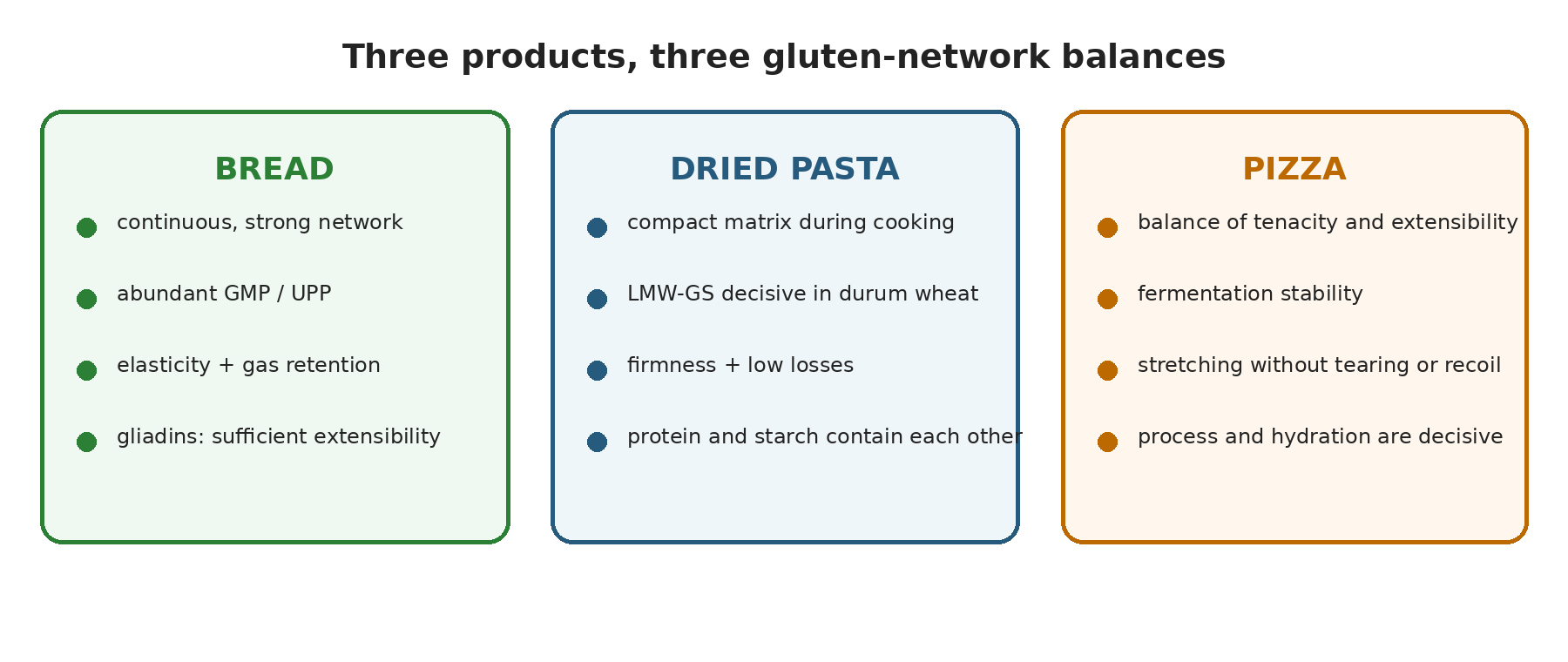
 

Figure 2 — The desirable gluten structure changes according to the product and the process.

Leavened bread

  • Desirable profile: a relatively high proportion of glutenins and unextractable polymeric proteins, abundant GMP/UPP and a distribution oriented toward high molecular masses.
  • Subunits: HMW-GS capable of supporting long, branched polymers are particularly important; in common wheat some combinations, such as 5+10 at the Glu-D1 locus, are often

associated with strong doughs, but the effect depends on the genetic background and the balance with LMW-GS [4,12].

  • Function: high elasticity, mixing stability, resistance to extension and the capacity to retain bubbles until baking. At equal protein content, increasing the glutenin/gliadin ratio tends to increase dough strength and loaf volume but reduce extensibility [23].
  • Limit: an excessively tenacious network requires more energy, expands with difficulty and can produce dough with poor extensibility; a sufficient proportion of gliadins is therefore needed to plasticize the network.

Dried durum-wheat semolina pasta

  • Desirable profile: an adequate protein quantity and a continuous, compact and poorly permeable network capable of enclosing starch granules and limiting their release into cooking water.
  • Subunits: in durum wheat, LMW-GS variability, especially at the Glu-B3 locus, is often more decisive than the proportion of HMW-GS alone. The LMW-2 pattern is generally associated with stronger gluten than LMW-1. γ-gliadin 45 is primarily a genetic marker linked to LMW-2, whereas γ-42 is more often linked to LMW-1; γ-gliadin alone does not determine quality [24].
  • Function: good firmness, lower surface stickiness and lower cooking losses. Recent studies nevertheless show that, within commercial ranges, protein content may matter more than strength and that the advantage of strong gluten emerges mainly with overcooking or weak semolina [25].
  • Limit: indiscriminately increasing HMW-GS or strength does not guarantee firmer pasta; the effects depend on genotype, protein quantity, starch and drying temperature [24,25].

Pizza

  • Desirable profile: an intermediate balance between the glutenin network and gliadin plasticization. The dough must retain gas during fermentation but also stretch into a thin disc without tearing or shrinking excessively.
  • Subunits and polymers: sufficient GMP/UPP and HMW-GS are needed to support hydration, fermentation and toppings; an excessive proportion of very large polymers or an excessively high glutenin/gliadin ratio can increase tenacity and elastic recoil. Gliadins, within a balanced ratio, facilitate stretching and expansion in the oven.
  • Process: a long-fermented, highly hydrated or pan-baked pizza generally requires greater stability than a thin pizza with short fermentation. For this reason, optimum composition cannot be separated from duration, temperature, acidification, proteolysis, hydration and baking method.
  • Limit: the W value, protein content or GLIA/GLUT, considered individually, do not identify the ideal flour. Studies on Neapolitan pizzas confirm the usefulness of combining alveographic, chemical and fermentation parameters [26].
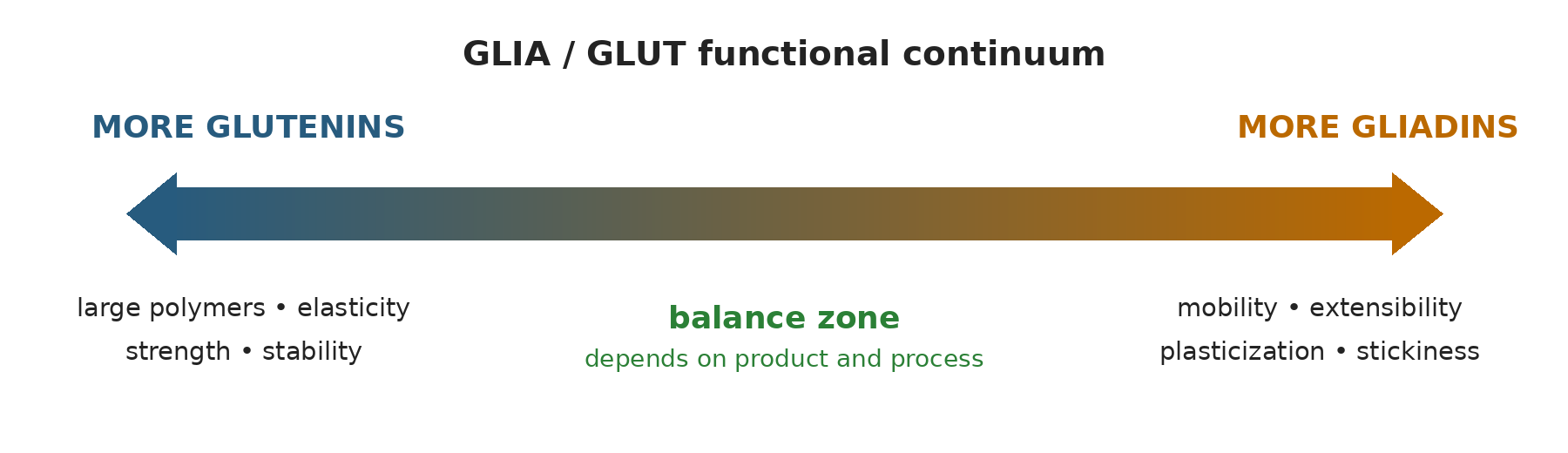
Figure 3 — The ratio between the two protein families describes a continuum, not two rigid categories.

For fresh egg pasta or laminated pasta, the requirement changes again: excessive tenacity may hinder sheet rolling. The note on pasta therefore refers mainly to dried durum-wheat semolina pasta.

References

[1] Wieser H. Chemistry of gluten proteins. Food Microbiology. 2007;24(2):115–119. doi:10.1016/j.fm.2006.07.004.

[2] Geisslitz S, Wieser H, Scherf KA, Koehler P. Gluten protein composition and aggregation properties as predictors for bread volume of common wheat, spelt, durum wheat, emmer and einkorn. Journal of Cereal Science. 2018;83:204–212. doi:10.1016/j.jcs.2018.08.012.

[3] Geisslitz S, Longin CFH, Scherf KA, Koehler P. Comparative study on gluten protein composition of ancient (einkorn, emmer and spelt) and modern wheat species (durum and common wheat). Foods. 2019;8(9):409. doi:10.3390/foods8090409.

[4] Dhaka V, Khatkar BS. Effects of gliadin/glutenin and HMW-GS/LMW-GS ratio on dough rheological properties and bread-making potential of wheat varieties. Journal of Food Quality. 2015;38(2):71–82. doi:10.1111/jfq.12122.

[5] Barak S, Mudgil D, Khatkar BS. Relationship of gliadin and glutenin proteins with dough rheology, flour pasting and bread making performance of wheat varieties. LWT – Food Science and Technology. 2013;51(1):211–217. doi:10.1016/j.lwt.2012.09.011.

[6] Scherf KA, et al. Rapid analysis of wheat gluten composition using a triple ELISA. Journal of the Science of Food and Agriculture. 2024. doi:10.1002/jsfa.13521.

[7] Payne PI. Genetics of wheat storage proteins and the effect of allelic variation on bread-making quality. Annual Review of Plant Physiology. 1987;38:141–153. doi:10.1146/annurev.pp.38.060187.001041.

[8] Wieser H, Koehler P, Scherf KA. Chemistry of wheat gluten proteins: quantitative composition. Cereal Chemistry. 2023;100:9–22. doi:10.1002/cche.10553.

[9] Ozuna CV, Iehisa JCM, Giménez MJ, Alvarez JB, Sousa C, Barro F. Diversification of the celiac disease α-gliadin complex in wheat: a 33-mer peptide with six overlapping epitopes, evolved following polyploidization. The Plant Journal. 2015;82(5):794–805. doi:10.1111/tpj.12851.

[10] Vaccino P, Becker HA, Brandolini A, Salamini F, Kilian B. A catalogue of Triticum monococcum genes encoding toxic and immunogenic peptides for celiac disease patients. Molecular Genetics and Genomics. 2009;281:289–300. doi:10.1007/s00438-008-0412-8.

[11] Asledottir T, Rehman R, Mamone G, et al. Ancestral wheat types release fewer celiac disease related T-cell epitopes than common wheat upon ex vivo human gastrointestinal digestion. Foods. 2020;9(9):1173. doi:10.3390/foods9091173.

[12] Khatkar BS, Fido RJ, Tatham AS, Schofield JD. Functional properties of wheat gliadins. I. Effects on mixing characteristics and bread making quality. Journal of Cereal Science. 2002;35(3):299–306. doi:10.1006/jcrs.2001.0429.

[13] Khatkar BS, Barak S, Mudgil D. Effects of gliadin fractions on functional properties of wheat dough depending on molecular size and hydrophobicity. Cereal Chemistry. 2001;78(2):138–141. doi:10.1094/CCHEM.2001.78.2.138.

[14] Khatkar BS, Fido RJ, Tatham AS, Schofield JD. Functional properties of wheat gliadins. II. Effects on dynamic rheological properties of wheat gluten. Journal of Cereal Science. 2002;35(3):307–313. doi:10.1006/jcrs.2001.0430.

[15] Gao X, et al. Relationship between dough stickiness and wheat gliadin composition based on RP-HPLC. Journal of Henan Agricultural Sciences. 2024;53(6):11–17. doi:10.15933/j.cnki.1004-3268.2024.06.002.

[16] Gupta RB, Khan K, MacRitchie F. Biochemical basis of flour properties in bread wheats. I. Effects of variation in the quantity and size distribution of polymeric protein. Journal of Cereal Science. 1993;18(1):23–41. doi:10.1006/jcrs.1993.1031.

[17] Guo L, Fang F, Zhang Y, Xu D, Jin Z, Xu X. Glutathione affects rheology and water distribution of wheat dough by changing gluten conformation and protein depolymerisation. International Journal of Food Science & Technology. 2021;56(7):3157–3165. doi:10.1111/ijfs.14806.

[18] Blandino M, et al. Effect of nitrogen fertilization and fungicide application at heading on the gluten protein composition and rheological quality of wheat. Agronomy. 2021;11(9):1687. doi:10.3390/agronomy11091687.

[19] Xue C, et al. Effects of nitrogen application in the wheat booting stage on glutenin polymerization and structural–thermal properties of gluten with variations in HMW-GS at the Glu-D1 locus. Foods. 2020;9(3):353. doi:10.3390/foods9030353.

[20] Tea I, Genter T, Naulet N, Boyer V, Lummerzheim M, Kleiber D. Effect of foliar sulfur and nitrogen fertilization on wheat storage protein composition and dough mixing properties. Cereal Chemistry. 2004;81(6):759–766. doi:10.1094/CCHEM.2004.81.6.759.

[21] Seabourn BW, Chung OK, Seib PA, Mathewson PR. Determination of secondary structural changes in gluten proteins during mixing using Fourier transform horizontal attenuated total reflectance spectroscopy. Journal of Agricultural and Food Chemistry. 2008;56(11):4236–4243. doi:10.1021/jf703569b.

[22] Mejri M, Rogé B, BenSouissi A, et al. Effects of catechins on the polymerisation behaviour, conformation and viscoelasticity of wheat gluten. International Journal of Food Science & Technology. 2021;56(2):753–761. doi:10.1111/ijfs.14719.

[23] Uthayakumaran S, Gras PW, Stoddard FL, Bekes F. Effect of varying protein content and glutenin-to-gliadin ratio on the functional properties of wheat dough. Cereal Chemistry. 1999;76(3):389–394. doi:10.1094/CCHEM.1999.76.3.389.

[24] Rao VS, Bhosale SB. Relationship between gluten strength and pasta firmness in Indian durum wheats. International Journal of Food Science & Technology. 2006;41(5):538–544. doi:10.1111/j.1365-2621.2005.01103.x.

[25] Wang K, Sissons M, Fu BX. Unveiling the impact of durum wheat protein quantity and quality on textural properties and microstructure of cooked pasta. Cereal Chemistry. 2023;100:765–778. doi:10.1002/cche.10627.

[26] Formato A, Pepe O. Pizza dough differentiation by principal component analysis of alveographic, microbiological, and chemical parameters. Cereal Chemistry. 2005;82(4):356–360. doi:10.1094/CC-82-0356.


Scientific Evidence and Application Limits Chapter IV

by luciano

1. Scope and operational definitions

In technical language it is essential to separate three concepts that are often confused:

1. Gluten hydrolysis/proteolysis
→ fragmentation of proteins (gliadins and glutenins) into smaller peptides.

  1. Reduction of immunogenic peptides/epitopes for celiac disease→ degradation of specific sequences rich in proline and glutamine (e.g. “Pro-rich” peptides) that resist digestion and activate immune responses in celiac patients.

  1. “Elimination” of gluten→ a much more ambitious objective, achievable only under controlled technological conditions (selected strains, often enzymatic co-adjuvants, long fermentation times), and not equivalent to normal baking with traditional sourdough.

2. Evidence: what studies show

2.1 Fermentation with selected lactic acid bacteria: targeted degradation of immunogenic peptides

Di Cagno et al., 2004 (Applied and Environmental Microbiology) demonstrate that the use of selected lactobacilli with specialized peptidases is able to hydrolyze proline-rich peptides, including peptides with high immunogenicity (the work explicitly discusses the hydrolysis of “Pro-rich” peptides and the application to an experimental baked product).
The study also includes an acute clinical challenge test in subjects with celiac disease within the described experimental protocol. (PubMed)

Key technical points (what is “demonstrated”)

  • The ability to degrade prolamin fractions critically depends on strain selection (it is not an automatic effect of any sourdough). (PubMed)

  • Degradation involves peptides known to resist gastrointestinal digestion thanks to enzymatic systems (peptidases) not typical of baker’s yeast alone. (PubMed)

Immediate applicative limit

The protocol is not “generic sourdough”: it is a biotechnology using selected strains and defined conditions; it is not automatically transferable to any artisanal process. (PubMed)

2.2 “Enhanced” fermentation: selected lactobacilli + fungal proteases (extensive detoxification)

Rizzello et al., 2007 (Applied and Environmental Microbiology) show an even more “engineered” approach: a mixture of selected lactobacilli + fungal proteases during prolonged fermentation.

The study uses several analytical techniques (immunological and instrumental) to estimate residual gluten and the persistence of different protein fractions. (PubMed)

Key technical points

  • Complete hydrolysis of gliadins and other soluble fractions reported in the experimental process; partial persistence of a fraction of glutenins (not all structural fractions are necessarily “eliminated”). (PubMed)

  • Measurement of residual gluten through immunological tests (R5-ELISA) and confirmation through proteomic/spectrometric analyses in the protocol. (PubMed)

  • Biological evaluation of immunoreactivity (tests on immune cell lines) to estimate the “toxicity” of the pepsin-trypsin digest of the fermented product. (PubMed)

Applicative limit

This scenario requires enzymatic co-adjuvants (fungal proteases) and a controlled setup: it is an industrial/biotechnological process, not the equivalent of standard sourdough management in a bakery. (PubMed)

2.3 Selected lactic fermentation on different cereals: role of pH and endogenous enzymes

De Angelis et al., 2006 (Journal of Cereal Science) study the fermentation of rye flours with selected lactic acid bacteria, showing extensive hydrolysis of ethanol-soluble polypeptides and a reduction of immunochemical detectability (R5-Western), also discussing the role of pH in activating hydrolysis through endogenous flour enzymes. (ScienceDirect)

Key technical points

The observed degradation results from a combination of:

  • microbial proteolytic activity (selected strains)

  • pH-dependent hydrolysis (activation of endogenous cereal enzyme systems) (ScienceDirect)

The work supports the “biotechnological” logic of controlled fermentation as a tool to reduce contamination/reactivity risk in specific contexts (in experimental terms). (ScienceDirect)

Applicative limit

Again: selected strains + defined process conditions; this is not an automatic generalization for “any sourdough.” (ScienceDirect)

3. Where baker’s yeast and “traditional” sourdough fit

3.1 Baker’s yeast (Saccharomyces cerevisiae)

Within the framework of the above studies, the effect of baker’s yeast is mainly:

  • fermentative kinetics (CO₂, volumetric development)

  • indirect influence on maturation (time/temperature)

but not a proteolytic activity comparable to that of selected lactic bacteria and/or added proteases.

In other words: with baker’s yeast the “improved digestive management” (when observed) is more related to maturation time and transformations of the starch-protein matrix, not to extensive degradation of immunogenic gluten sequences (in the terms used in the cited studies).

(This is a conclusion derived by comparing the mechanisms reported in studies on selected LAB and proteases.) (PubMed)

3.2 “Non-selected” sourdough (spontaneous sourdough starter)

Spontaneous sourdough can determine:

  • acidification

  • partial proteolysis

  • rheological modifications

However, the literature showing “almost total” degradation or marked reduction of immunogenic epitopes typically uses:

  • selected lactic strains with specific peptidases (PubMed)

and/or

  • fungal proteases in combination (PubMed)

Therefore, at a manualistic level, the correct formulation is:

Fermentation with sourdough can increase gluten proteolysis; extensive degradation of immunogenic sequences requires controlled biotechnological protocols (selected strains and, in some cases, enzymatic co-adjuvants).

4. Applicative limits

Protocols aiming to drastically reduce the immunogenic fraction of gluten do not coincide with the standard production of sourdough bread/pizza. (PubMed)

The result depends on:

  • microbial species/strains used (selection) (PubMed)

  • fermentation time

  • acidity/pH (and relative enzymatic activation) (ScienceDirect)

  • possible use of technological proteases (PubMed)

Even when very extensive degradation is observed, some studies report possible persistence of certain fractions (e.g. part of the glutenins) depending on the protocol. (PubMed)

5. Cited studies

Di Cagno, R. et al. (2004). Sourdough bread made from wheat and nontoxic flours and started with selected lactobacilli is tolerated in celiac sprue patients. Applied and Environmental Microbiology, 70(2), 1088–1096. DOI: 10.1128/AEM.70.2.1088-1096.2004 (PubMed)

Rizzello, C.G. et al. (2007). Highly efficient gluten degradation by lactobacilli and fungal proteases during food processing: new perspectives for celiac disease. Applied and Environmental Microbiology, 73(14), 4499–4507. DOI: 10.1128/AEM.00260-07 (PubMed)

De Angelis, M. et al. (2006). Fermentation by selected sourdough lactic acid bacteria to decrease coeliac intolerance to rye flour. Journal of Cereal Science, 43(3), 301–314. DOI: 10.1016/j.jcs.2005.12.008 (ScienceDirect)

In-depth analysis

Effects of sourdough and/or yeast use in gluten fermentation: scientific evidence

Primary studies (main evidence)

1. Effects of LAB + yeast co-fermentation on gluten degradation

Title: Effects of Co-Fermentation with Lactic Acid Bacteria and Yeast on Gliadin Degradation in Whole-Wheat Sourdough

Summary: The study evaluates how selected strains of Lactic Acid Bacteria (LAB) and baker’s yeast (Saccharomyces cerevisiae) co-ferment gluten in whole-wheat sourdough. The combined fermentation leads to significant degradation of gliadin and glutenin fractions, with reduction of gluten content. Strains such as Lactobacillus brevis and Pediococcus pentosaceus show high proteolytic activity. (MDPI)

2. Reduction of gluten allergenicity in fermented products

Title: From gluten structure to immunogenicity: Investigating the effects of lactic acid bacteria and yeast co-fermentation on wheat allergenicity in steamed buns

Summary: LAB + baker’s yeast co-fermentation induces depolymerization of gluten macromolecules and reduces total immunoreactivity compared with non-fermented controls. Significant decreases in α/γ-gliadins and glutenins associated with celiac disease are observed. (PubMed)

3. Immunogenic peptides and sourdough

Title: A Case Study of the Response of Immunogenic Gluten Peptides to Sourdough Proteolysis

Summary: Fermentation with sourdough modifies gluten structure and the release profile of immunogenic peptides during in vitro digestion, without necessarily eliminating them completely. Comparative study between sourdough bread and rapid-leavened bread. (PubMed)

4. Bacillus spp. isolated from sourdough and gluten hydrolysis

Title: Gluten hydrolyzing activity of Bacillus spp isolated from sourdough

Summary: Bacillus strains isolated from sourdough degrade the immunogenic 33-mer peptide and gliadin sequences, reducing gluten below 110 mg/kg. Potential application in reduced-gluten products. (SpringerLink)

5. Pilot clinical study on fermented products

Title: Gluten-free sourdough wheat baked goods appear safe for young celiac patients: a pilot study

Summary: Fermentation with selected lactobacilli and fungal proteases reduces gluten below 10 ppm. Products tested on children with celiac disease in remission show good clinical tolerability. (PubMed)

6. Recent review on the role of fermentation (2025)

Title: Sourdough Fermentation and Gluten Reduction: A Biotechnological Approach for Gluten-Related Disorders

Summary: LAB fermentation contributes to the reduction of gluten peptides but is not sufficient alone to eliminate all immunogenic sequences. Combined processes with exogenous proteases are more effective. (MDPI)

Previously cited studies, with greater detail

A. Bacillus spp isolated from sourdough
DOI: 10.1186/s12934-020-01388-z

Further detail: The study demonstrates the high proteolytic activity of Bacillus strains against gliadin substrates and the 33-mer peptide. Extensive hydrolysis leads to gluten levels <110 mg/kg in fermented sourdough.

B. Label-free quantitative proteomics and sourdough fermentation
DOI: 10.1016/j.foodchem.2023.137037

Further detail: Proteomic analysis identifies 85 allergenic proteins modulated by fermentation. Some microbial combinations show reduction of gliadins containing immunogenic sequences, suggesting a selective effect of fermentation on the wheat protein fraction.

C. Yeast–bacteria interactions and immunogenicity
DOI: 10.1016/j.ifset.2023.103281

Further detail: Co-cultures of yeasts (Saccharomyces, Torulaspora) with Pediococcus acidilactici show greater gluten depolymerization and reduced immunogenicity compared with single-yeast fermentations.

General conclusions

Sourdough fermentation can partially degrade gluten and reduce specific immunogenic peptides. The reduction does not equal complete elimination: without exogenous proteases, residual gluten often remains. Effectiveness strongly depends on microbial strains and fermentation conditions.

What does all this mean for those seeking gluten-light products?

Products made with sourdough (sourdough fermentation) generally present technological and biochemical characteristics superior to products obtained with rapid leavening, especially regarding tolerability and overall quality.

In particular:

Partial gluten degradation

Prolonged fermentation promotes hydrolysis of some gliadin and glutenin fractions, reducing protein complexity compared with non-fermented doughs.

Modified peptide profile

Even when gluten is not eliminated, its structure changes, with a potential reduction of specific immunogenic peptides.

Perceived improved digestibility

Many non-celiac consumers report better gastrointestinal tolerance compared with industrial baked products produced with rapid fermentation.

Reduction of other critical factors

Sourdough fermentation also contributes to decreasing FODMAPs and some antinutritional compounds.

⚠️ Important note: gluten-light products are not automatically safe for people with celiac disease. Traditional fermentation improves quality and tolerability, but only controlled and validated processes can lead to gluten levels compatible with a gluten-free diet.

For those who are not celiac but seek products that are more digestible, less stressful for the intestine and based on natural fermentation processes, sourdough currently represents one of the most interesting solutions supported by scientific literature.

The Science Behind Bread and Pizza

Chapter I – Gliadins and Glutenins: the essential building blocks
Chapter II – Fermentation in professional baking and pizzeria production
Chapter III – Gluten degradation during fermentation
Chapter IV – Scientific evidence and application limits

Gluten Degradation During Fermentation (Chapter III)

by luciano

Fermentation, Proteolysis and Potential Modulation of Mucosal Stimuli

1. Technical premise

Physiological evidence shows that some protein peptides resistant to digestion can:

  • modulate paracellular permeability

  • activate innate immunity pathways

  • interact with the intestinal microbial ecosystem

In the context of professional baking, the technological interest is not clinical but biochemical and structural: reducing the fraction of peptides relatively resistant to enzymatic digestion and modifying digestive kinetics through appropriately designed fermentation.

It should be emphasized that the primary function of protein digestion is the hydrolysis of dietary proteins — including gluten — into free amino acids and small peptides (mainly di- and tripeptides), which can cross the intestinal epithelium via specific transport systems and be used as metabolic substrates for the various metabolic functions of the body.

The peptide fraction that is not completely hydrolyzed, consisting of larger peptides, nor absorbed at the level of the small intestine, reaches the colon where it is partially metabolized by the intestinal microbiota through fermentative processes; the unused portion is eliminated with feces.

Enzymatic hydrolysis therefore represents the key step for making proteins nutritionally available and limiting the presence of peptide fractions relatively resistant to digestion.

2. How fermentation can act on resistant peptides

2.1 Acidification and enzymatic activation

Sourdough fermentation leads to:

  • pH reduction (≈ 3.8–4.8 depending on the system)

  • activation/modulation of endogenous flour proteases

  • production of microbial peptidases

Resulting effect:

  • reduction of the average molecular weight of protein fractions

  • increase in the pool of short peptides and free amino acids

  • remodeling of the peptide profile

This does not correspond to “elimination of gluten,” but to modification of the distribution of protein fragments (greater quantity of short peptides).

2.2 Depolymerization of the gluten network

Prolonged fermentation can:

  • reduce the gluten macropolymer

  • modify the secondary structure of proteins

  • make the network less compact and more accessible to digestive enzymes

Potential physiological consequence:

  • improved accessibility to gastric/pancreatic proteolysis

  • reduction of the fraction of persistent long peptides

2.3 Time as a critical variable

The maturation time is determinant:

Short time

Prolonged time

Prevalence of gas development

Greater proteolysis

Network still compact

Greater protein reorganization

Peptide profile little modified

Distribution toward shorter peptides

In professional practice, fermentations of 24–72 h at controlled temperature increase the probability of significant but structurally controlled proteolysis.

3. Baker’s yeast vs sourdough

Baker’s yeast (Saccharomyces cerevisiae)

  • limited proteolytic activity

  • mainly indirect effect (time, hydration, activation of flour enzymes)

  • reduction of resistant peptides mainly dependent on maturation time

Sourdough (LAB + yeasts)

  • direct peptidase activity

  • structuring acidification

  • greater protein remodeling at equal time

4. Interaction with microbiota and intestinal barrier

In light of physiological and experimental evidence, there is in vitro and murine model evidence suggesting a possible systemic impact of gluten on intestinal permeability and inflammatory balance, particularly in subjects with genetic predisposition, immunological vulnerability or pre-existing clinical conditions.

In this context, long and resistant peptides derived from gluten may interact with the intestinal barrier and innate immunity, influencing their functionality. Such interaction may translate into modifications of intestinal permeability, variations in microbiota composition and modulation of immune responses.

Therefore, a criterion of nutritional prudence does not represent excessive caution but rather an act of preventive responsibility.

In healthy individuals there are currently no solid and conclusive clinical data demonstrating a significant systemic impact of gluten on intestinal permeability or inflammatory balance.

The real effect also depends on:

  • the state of the intestinal mucosa

  • the composition of the microbiota

  • the overall composition of the meal

  • stress level and lifestyle

  • exposure to environmental contaminants

* By “possible impact” it is meant that the interaction between gluten and the organism is closely related to the state of the subject and to their overall biological context. Numerous factors — diet, stress, lifestyle habits and environment — may influence the outcome.

** Finally, it must be specified that by “healthy subject” we do not simply mean an individual without clinically manifest diseases, but a person without ongoing pathologies and without a state of chronic low-grade inflammation. This distinction is fundamental, since in clinical practice the term “healthy” is often used in a limited sense, coinciding only with the absence of formal diagnoses.

5. Digestibility as a property of the food matrix

It is essential to reiterate:

Digestibility is not a property of the protein or starch fraction alone, but of the entire food matrix.

Factors influencing the real digestion of the finished product include:

  • fibers (bran, arabinoxylans)

  • lipids

  • final hydration

  • alveolar structure

  • protein–starch interaction

  • baking method

The presence of fibers, for example, modifies the digestive kinetics of starch and proteins much more than a simple variation in protein content would.

6. Practical implications for the professional

If the goal is to obtain a product with:

  • high biochemical maturation

  • more evolved protein profile

  • lower fraction of peptides relatively resistant to digestion

the design levers are:

  1. reduction of yeast dosage

  2. controlled extension of fermentation

  3. use of well-managed sourdough

  4. control of temperature and pH

  5. balance between proteolysis and structural stability

7. Technical conclusion

In traditional baking:

Prolonged fermentation and controlled acidification can remodel the peptide profile of gluten. This remodeling may reduce the fraction of protein fragments relatively resistant to digestion. Physiological evidence shows that such fragments, in experimental models, can modulate barrier function and innate immunity. Direct transfer of these results to healthy humans requires interpretative caution.

Chapter IV – Scientific Evidence and Applicative Limits

1. Scope and operational definitions

In technical language it is essential to separate three concepts that are often confused:

1. Gluten hydrolysis/proteolysis
→ fragmentation of proteins (gliadins and glutenins) into smaller peptides.

  1. Reduction of immunogenic peptides/epitopes for celiac disease→ degradation of specific sequences rich in proline and glutamine (e.g. “Pro-rich” peptides) that resist digestion and activate immune responses in celiac patients.

  1. “Elimination” of gluten→ a much more ambitious objective, achievable only under controlled technological conditions (selected strains, often enzymatic co-adjuvants, long fermentation times), and not equivalent to normal baking with traditional sourdough.

2. Evidence: what studies show

2.1 Fermentation with selected lactic acid bacteria: targeted degradation of immunogenic peptides

Di Cagno et al., 2004 (Applied and Environmental Microbiology) demonstrate that the use of selected lactobacilli with specialized peptidases is able to hydrolyze proline-rich peptides, including peptides with high immunogenicity (the work explicitly discusses the hydrolysis of “Pro-rich” peptides and the application to an experimental baked product).
The study also includes an acute clinical challenge test in subjects with celiac disease within the described experimental protocol. (PubMed)

Key technical points (what is “demonstrated”)

  • The ability to degrade prolamin fractions critically depends on strain selection (it is not an automatic effect of any sourdough). (PubMed)

  • Degradation involves peptides known to resist gastrointestinal digestion thanks to enzymatic systems (peptidases) not typical of baker’s yeast alone. (PubMed)

Immediate applicative limit

The protocol is not “generic sourdough”: it is a biotechnology using selected strains and defined conditions; it is not automatically transferable to any artisanal process. (PubMed)

2.2 “Enhanced” fermentation: selected lactobacilli + fungal proteases (extensive detoxification)

Rizzello et al., 2007 (Applied and Environmental Microbiology) show an even more “engineered” approach: a mixture of selected lactobacilli + fungal proteases during prolonged fermentation.

The study uses several analytical techniques (immunological and instrumental) to estimate residual gluten and the persistence of different protein fractions. (PubMed)

Key technical points

  • Complete hydrolysis of gliadins and other soluble fractions reported in the experimental process; partial persistence of a fraction of glutenins (not all structural fractions are necessarily “eliminated”). (PubMed)

  • Measurement of residual gluten through immunological tests (R5-ELISA) and confirmation through proteomic/spectrometric analyses in the protocol. (PubMed)

  • Biological evaluation of immunoreactivity (tests on immune cell lines) to estimate the “toxicity” of the pepsin-trypsin digest of the fermented product. (PubMed)

Applicative limit

This scenario requires enzymatic co-adjuvants (fungal proteases) and a controlled setup: it is an industrial/biotechnological process, not the equivalent of standard sourdough management in a bakery. (PubMed)

2.3 Selected lactic fermentation on different cereals: role of pH and endogenous enzymes

De Angelis et al., 2006 (Journal of Cereal Science) study the fermentation of rye flours with selected lactic acid bacteria, showing extensive hydrolysis of ethanol-soluble polypeptides and a reduction of immunochemical detectability (R5-Western), also discussing the role of pH in activating hydrolysis through endogenous flour enzymes. (ScienceDirect)

Key technical points

The observed degradation results from a combination of:

  • microbial proteolytic activity (selected strains)

  • pH-dependent hydrolysis (activation of endogenous cereal enzyme systems) (ScienceDirect)

The work supports the “biotechnological” logic of controlled fermentation as a tool to reduce contamination/reactivity risk in specific contexts (in experimental terms). (ScienceDirect)

Applicative limit

Again: selected strains + defined process conditions; this is not an automatic generalization for “any sourdough.” (ScienceDirect)

3. Where baker’s yeast and “traditional” sourdough fit

3.1 Baker’s yeast (Saccharomyces cerevisiae)

Within the framework of the above studies, the effect of baker’s yeast is mainly:

  • fermentative kinetics (CO₂, volumetric development)

  • indirect influence on maturation (time/temperature)

but not a proteolytic activity comparable to that of selected lactic bacteria and/or added proteases.

In other words: with baker’s yeast the “improved digestive management” (when observed) is more related to maturation time and transformations of the starch-protein matrix, not to extensive degradation of immunogenic gluten sequences (in the terms used in the cited studies).

(This is a conclusion derived by comparing the mechanisms reported in studies on selected LAB and proteases.) (PubMed)

3.2 “Non-selected” sourdough (spontaneous sourdough starter)

Spontaneous sourdough can determine:

  • acidification

  • partial proteolysis

  • rheological modifications

However, the literature showing “almost total” degradation or marked reduction of immunogenic epitopes typically uses:

  • selected lactic strains with specific peptidases (PubMed)

and/or

  • fungal proteases in combination (PubMed)

Therefore, at a manualistic level, the correct formulation is:

Fermentation with sourdough can increase gluten proteolysis; extensive degradation of immunogenic sequences requires controlled biotechnological protocols (selected strains and, in some cases, enzymatic co-adjuvants).

4. Applicative limits

Protocols aiming to drastically reduce the immunogenic fraction of gluten do not coincide with the standard production of sourdough bread/pizza. (PubMed)

The result depends on:

  • microbial species/strains used (selection) (PubMed)

  • fermentation time

  • acidity/pH (and relative enzymatic activation) (ScienceDirect)

  • possible use of technological proteases (PubMed)

Even when very extensive degradation is observed, some studies report possible persistence of certain fractions (e.g. part of the glutenins) depending on the protocol. (PubMed)

5. Cited studies

Di Cagno, R. et al. (2004). Sourdough bread made from wheat and nontoxic flours and started with selected lactobacilli is tolerated in celiac sprue patients. Applied and Environmental Microbiology, 70(2), 1088–1096. DOI: 10.1128/AEM.70.2.1088-1096.2004 (PubMed)

Rizzello, C.G. et al. (2007). Highly efficient gluten degradation by lactobacilli and fungal proteases during food processing: new perspectives for celiac disease. Applied and Environmental Microbiology, 73(14), 4499–4507. DOI: 10.1128/AEM.00260-07 (PubMed)

De Angelis, M. et al. (2006). Fermentation by selected sourdough lactic acid bacteria to decrease coeliac intolerance to rye flour. Journal of Cereal Science, 43(3), 301–314. DOI: 10.1016/j.jcs.2005.12.008 (ScienceDirect)

In-depth analysis

Effects of sourdough and/or yeast use in gluten fermentation: scientific evidence

Primary studies (main evidence)

1. Effects of LAB + yeast co-fermentation on gluten degradation

Title: Effects of Co-Fermentation with Lactic Acid Bacteria and Yeast on Gliadin Degradation in Whole-Wheat Sourdough

Summary: The study evaluates how selected strains of Lactic Acid Bacteria (LAB) and baker’s yeast (Saccharomyces cerevisiae) co-ferment gluten in whole-wheat sourdough. The combined fermentation leads to significant degradation of gliadin and glutenin fractions, with reduction of gluten content. Strains such as Lactobacillus brevis and Pediococcus pentosaceus show high proteolytic activity. (MDPI)

2. Reduction of gluten allergenicity in fermented products

Title: From gluten structure to immunogenicity: Investigating the effects of lactic acid bacteria and yeast co-fermentation on wheat allergenicity in steamed buns

Summary: LAB + baker’s yeast co-fermentation induces depolymerization of gluten macromolecules and reduces total immunoreactivity compared with non-fermented controls. Significant decreases in α/γ-gliadins and glutenins associated with celiac disease are observed. (PubMed)

3. Immunogenic peptides and sourdough

Title: A Case Study of the Response of Immunogenic Gluten Peptides to Sourdough Proteolysis

Summary: Fermentation with sourdough modifies gluten structure and the release profile of immunogenic peptides during in vitro digestion, without necessarily eliminating them completely. Comparative study between sourdough bread and rapid-leavened bread. (PubMed)

4. Bacillus spp. isolated from sourdough and gluten hydrolysis

Title: Gluten hydrolyzing activity of Bacillus spp isolated from sourdough

Summary: Bacillus strains isolated from sourdough degrade the immunogenic 33-mer peptide and gliadin sequences, reducing gluten below 110 mg/kg. Potential application in reduced-gluten products. (SpringerLink)

5. Pilot clinical study on fermented products

Title: Gluten-free sourdough wheat baked goods appear safe for young celiac patients: a pilot study

Summary: Fermentation with selected lactobacilli and fungal proteases reduces gluten below 10 ppm. Products tested on children with celiac disease in remission show good clinical tolerability. (PubMed)

6. Recent review on the role of fermentation (2025)

Title: Sourdough Fermentation and Gluten Reduction: A Biotechnological Approach for Gluten-Related Disorders

Summary: LAB fermentation contributes to the reduction of gluten peptides but is not sufficient alone to eliminate all immunogenic sequences. Combined processes with exogenous proteases are more effective. (MDPI)

Previously cited studies, with greater detail

A. Bacillus spp isolated from sourdough
DOI: 10.1186/s12934-020-01388-z

Further detail: The study demonstrates the high proteolytic activity of Bacillus strains against gliadin substrates and the 33-mer peptide. Extensive hydrolysis leads to gluten levels <110 mg/kg in fermented sourdough.

B. Label-free quantitative proteomics and sourdough fermentation
DOI: 10.1016/j.foodchem.2023.137037

Further detail: Proteomic analysis identifies 85 allergenic proteins modulated by fermentation. Some microbial combinations show reduction of gliadins containing immunogenic sequences, suggesting a selective effect of fermentation on the wheat protein fraction.

C. Yeast–bacteria interactions and immunogenicity
DOI: 10.1016/j.ifset.2023.103281

Further detail: Co-cultures of yeasts (Saccharomyces, Torulaspora) with Pediococcus acidilactici show greater gluten depolymerization and reduced immunogenicity compared with single-yeast fermentations.

General conclusions

Sourdough fermentation can partially degrade gluten and reduce specific immunogenic peptides. The reduction does not equal complete elimination: without exogenous proteases, residual gluten often remains. Effectiveness strongly depends on microbial strains and fermentation conditions.

What does all this mean for those seeking gluten-light products?

Products made with sourdough (sourdough fermentation) generally present technological and biochemical characteristics superior to products obtained with rapid leavening, especially regarding tolerability and overall quality.

In particular:

Partial gluten degradation

Prolonged fermentation promotes hydrolysis of some gliadin and glutenin fractions, reducing protein complexity compared with non-fermented doughs.

Modified peptide profile

Even when gluten is not eliminated, its structure changes, with a potential reduction of specific immunogenic peptides.

Perceived improved digestibility

Many non-celiac consumers report better gastrointestinal tolerance compared with industrial baked products produced with rapid fermentation.

Reduction of other critical factors

Sourdough fermentation also contributes to decreasing FODMAPs and some antinutritional compounds.

⚠️ Important note: gluten-light products are not automatically safe for people with celiac disease. Traditional fermentation improves quality and tolerability, but only controlled and validated processes can lead to gluten levels compatible with a gluten-free diet.

For those who are not celiac but seek products that are more digestible, less stressful for the intestine and based on natural fermentation processes, sourdough currently represents one of the most interesting solutions supported by scientific literature.

The Science Behind Bread and Pizza

Chapter I – Gliadins and Glutenins: the essential building blocks
Chapter II – Fermentation in professional baking and pizzeria production

Chapter III – Gluten degradation during fermentation
Chapter IV – Scientific evidence and application limits

The Science Behind Bread and Pizza (Chapter I and II)

by luciano

sangiorgio.l@libero.it

Biochemistry, Rheology and Microbiology of Fermentation and the Starch–Protein Matrix

The present text analyzes the biochemical, rheological and microbiological foundations underlying the production of bread and pizza. The role of gluten proteins (gliadins and glutenins), fermentative systems (baker’s yeast and sourdough), dosage and time variables, and direct and indirect dough-making methods are examined. The approach adopted is technological-functional, with particular attention to the structural, aromatic, digestive and shelf-life implications of the finished product.

Chapter I – Protein Architecture of Dough: Gliadins, Glutenins and the Gluten Network

When we mix flour and water, we are not simply combining ingredients: we are activating a complex protein system that determines structure, consistency and the final result.
At the base of everything is gluten, a three-dimensional network created by the interaction between two families of wheat proteins: gliadins and glutenins. Understanding their balance means understanding why a pizza dough stretches easily while bread dough must sustain a tall, aerated structure.

1️⃣ The Gluten Network: A Dynamic Balance

Gluten does not exist “already formed” in flour. It is created when:

Glutenin + Gliadin + Water + Mixing = Gluten network

Water hydrates the proteins, the mechanical energy of mixing makes them interact, and an elastic network capable of trapping fermentation gases is formed. But the two proteins perform different and complementary roles.

2️⃣ The Role of Glutenins: Strength and Elasticity

Glutenins – Structural Effects

Glutenins provide:

Elasticity (ability to return to the original shape)
Tenacity (resistance to deformation)
Structure

A dough rich in glutenins:

Is more resistant
Retains gases better
Develops vertical volume

If excessive:

Too tenacious
Difficult to stretch
“Spring-back” effect

3️⃣ The Role of Gliadins: Extensibility and Viscosity

Gliadins are responsible for:

Extensibility (ability to stretch without tearing)
Malleability
Viscosity

Thanks to gliadins, the dough:

Stretches easily
Does not tear during handling
Maintains good workability

If they dominate excessively, however, the dough:

Becomes soft
“Spreads”
Struggles to maintain shape

4️⃣ Pizza: Extensibility Is Required

In the case of pizza, the goal is to obtain a thin disk that:

Stretches easily
Does not tear
Does not retract during shaping

Extensibility is therefore fundamental. A dough too rich in glutenins would be “rubbery” and difficult to open.

For this reason, pizza flours (often soft wheat) are designed to have:

A good balance between strength and extensibility
A P/L ratio (tenacity/extensibility) balanced or slightly shifted toward extensibility

If the dough is too tenacious, it is possible to intervene with:

Longer maturation (longer resting time)
Increased hydration
Choosing a flour with a lower P/L ratio

In summary: more extensibility = easy stretching and good alveolation.

5️⃣ Bread: Structural Strength Is Required

Why does bread need more glutenins?

Bread has a different goal: to develop vertically and sustain an internal structure rich in alveoli.

Here the following come into play:

Elasticity
Structural strength
Capacity to retain fermentation gases

Bread dough therefore requires a stronger gluten network, with a higher glutenin component.

If gliadins dominate too much:

The dough becomes weak
It spreads instead of rising
The bread results low and poorly structured

In summary: more glutenins = more strength and vertical development.

6️⃣ Balance Is the Key

The fundamental point is not “which protein is better”, but their ratio.

Too much glutenin → tenacious dough, hard to stretch
Too much gliadin → soft and unstable dough
Correct balance → elastic and extensible structure

The difference between pizza and bread lies precisely in this balance:

Product

Dominant characteristic

Protein ratio

Pizza

Extensibility

Good presence of gliadins

Bread

Strength and elasticity

Greater glutenin component

7️⃣ Conclusion

Pizza → more extensibility (gliadins)
Bread → more strength and elasticity (glutenins)

The quality of a dough does not depend only on the quantity of proteins, but on their interaction, processing, hydration and maturation time. Every time we stretch a pizza or shape a loaf of bread, we are working with a delicate molecular balance: a true protein architecture that transforms flour and water into a living, elastic and extensible structure.

Chapter II – Fermentation in Professional Baking and Pizzeria Production

Role of baker’s yeast and sourdough, quantities, time and dough-making methods

1. Introduction

Fermentation represents the biological and technological core of professional baking and pizza production. It is not limited to the production of gas for dough volume increase, but profoundly determines:

Mechanical structure
Extensibility
Alveolation
Aromatic profile
Digestibility
Shelf life

The professional does not simply manage a “leavening”, but a complex biochemical process in which interact:

Microorganisms
Endogenous flour enzymes
Gluten proteins
Starches
Time
Temperature

This chapter systematically analyzes the role of baker’s yeast and sourdough, the influence of dosage and fermentation time, and the impact of processing methods (direct dough and indirect dough with biga) on the finished product.

2. The Role of Baker’s Yeast

2.1 Microbiological Nature

Baker’s yeast consists predominantly of Saccharomyces cerevisiae, a unicellular microorganism capable of metabolizing simple sugars present in dough.

Alcoholic fermentation produces:

Carbon dioxide (CO₂)
Ethanol
Secondary metabolites (esters, higher alcohols, aldehydes)

CO₂ is retained by the gluten network and generates the increase in volume.

2.2 Technological Effects

Baker’s yeast:

Provides gas for structural development
Indirectly stimulates enzymatic activity
Influences fermentation rate
Determines part of the aromatic profile

It does not significantly modify dough pH (limited acidity), therefore the effect on the protein structure is mainly mechanical and fermentative, not acidifying.

3. The Role of Sourdough

3.1 Microbiological Nature

Sourdough is an ecosystem composed of:

Wild yeasts
Lactic acid bacteria (homo- and hetero-fermentative)

These microorganisms produce:

CO₂
Lactic acid
Acetic acid
Proteolytic enzymes
Complex aromatic compounds

3.2 Technological Effects

The combined activity of yeasts and bacteria

The combined activity of yeasts and bacteria determines

The controlled acidity of yeasts and bacteria directly influences

Progressive acidification (pH reduction)
Elasticity
Modification of gluten structure
Extensibility
Activation of proteases
Shelf life
Improved microbiological stability
Aromatic depth

4. Quantity and Time: General Principles

4.1 Relationship Between Dosage and Speed

The quantity of fermenting agent regulates:

CO₂ production speed
Metabolic intensity
Process duration

Fundamental principle:

More yeast → rapid fermentation
Less yeast → slow fermentation

However, speed does not coincide with maturation.

4.2 Time as a Key Variable

Time allows:

Enzymatic degradation of starches (amylases)
Partial protein hydrolysis
Reorganization of the gluten network
Formation of aromatic metabolites

A short fermentation may produce volume, but not necessarily structural and biochemical maturation.

5. Effects on Digestibility

5.1 Technical Definition

Digestibility refers to:

Reduction of intestinal fermentable load
Partial pre-digestion of starches and proteins
Better structural organization of the crumb

It does not imply absence of gluten, but a more advanced biochemical transformation.

5.2 Baker’s Yeast

Baker’s Yeast Dosage

High dosage + short time
Low dosage + long time

Limited maturation
Greater maturation

Lower enzymatic activity
Better enzymatic degradation

Higher presence of residual sugars
Biochemically evolved dough

Possible sensation of heaviness
Greater sensation of lightness

5.3 Sourdough

Fermentation with sourdough determines:

Progressive reduction of pH (controlled acidification)
Increase of proteolytic activity (endogenous enzymes + microbial activity)
Partial hydrolysis of gluten proteins
Greater degradation of fermentable sugars
Modification of the rheological properties of the gluten network

Measurable technological and physiological effects

Prolonged sourdough fermentations involve:

Reduction of residual fermentable carbohydrates
Partial protein pre-digestion
Better structural organization of the crumb
Slower glycemic response compared to short fermentations
Greater microbiological stability of the product

The combination of these factors may determine:

Reduction of intestinal fermentative load
Lower intestinal gas production compared to rapidly fermented doughs

Individual physiological response may vary depending on personal conditions, but the biochemical mechanisms described above are objectively measurable.

6. Effects on Pizza and Bread

6.1 Pizza

Structural objectives

High extensibility
Absence of “spring-back” effect
Aerated cornicione
Melt-in-the-mouth texture

Typical strategy

Very low yeast dosage
Long maturation (24–72 hours)
Temperature control

Results

Greater extensibility
More complex aroma
Lower sensation of bloating

6.2 Bread

Structural objectives

Vertical development
Crumb stability
Shelf life

Objectives with baker’s yeast

Regular structure
Delicate aroma

Objectives with sourdough

Irregular alveolation
Thick crust
Deep aroma
Longer shelf life

7. Dough-Making Methods

7.1 Direct Dough

7.1.1 Definition

All ingredients are mixed in a single phase.

7.1.2 Fermentation Dynamics

Immediate complete hydration
Single fermentation
Structure progressively built

7.1.3 Effects on the Product

Effects on the product

Texture
Homogeneous crumb
Regular alveolation

Aroma
Linear profile
Lower complexity

Digestibility
Good if accompanied by long fermentation times
Lower if fermentation is short

Shelf life
Faster staling
Lower protective acidification

7.2 Indirect Dough with Biga

7.2.1 Definition

Solid preferment (45–50% hydration) with:

Flour
Water
Small quantity of yeast

Fermentation 16–24 hours before the final dough.

7.2.2 Biochemical Dynamics

During biga maturation:

Early enzymatic activation
Production of light organic acids
Pre-maturation of gluten
Development of aromatic precursors

7.2.3 Effects on the Product

Effects on the product

Texture
Large and irregular alveolation
Greater lightness
Crispier crust

Aroma
Greater complexity
Light lactic aromas
Intensification of toasted notes

Digestibility
Dough already partially matured
Lower residual fermentable load

Shelf life
Better moisture retention
Slower staling
Greater aromatic persistence

8. Systemic Comparison

Variable

Direct

Biga

Structure

Regular

Airy and light

Aroma

Linear

Complex

Digestibility

Depends on time

Generally higher

Shelf life

Medium

Higher

Management complexity

Low

Medium/High

9. Integrated Design Principle

In professional contexts, dough design simultaneously considers:

Type of fermenting agent
Dosage
Time
Temperature
Method (direct or indirect)

There is no universally superior solution, but rather a balance consistent with:

Product identity
Sensory objectives
Desired structure
Production organization

10. Conclusion

Fermentation is not an accessory step, but a process of structural and biochemical transformation. The quantity of yeast, the choice between baker’s yeast and sourdough, the maturation time and the adopted method (direct or biga) constitute tools of applied food engineering. The professional does not simply “let a dough rise”: they design the behavior of matter over time in order to obtain a structural, aromatic and functional result consistent with the identity of the final product.

Essential Bibliography

Gluten, Protein Structure and Rheology

  1. Wieser, H. (2007).
    Chemistry of gluten proteins.
    Food Microbiology, 24(2), 115–119.
    DOI: 10.1016/j.fm.2006.07.004

  2. Shewry, P. R., & Tatham, A. S. (1997).
    Disulphide bonds in wheat gluten proteins.
    Journal of Cereal Science, 25(3), 207–227.
    DOI: 10.1006/jcrs.1996.0100

  3. Belton, P. S. (1999).
    On the elasticity of wheat gluten.
    Journal of Cereal Science, 29(2), 103–107.
    DOI: 10.1006/jcrs.1998.0233

  4. Dobraszczyk, B. J., & Morgenstern, M. P. (2003).
    Rheology and the breadmaking process.
    Journal of Cereal Science, 38(3), 229–245.
    DOI: 10.1016/S0733-5210(03)00059-6

Baker’s Yeast and Alcoholic Fermentation

  1. Fleet, G. H. (2007).
    Yeasts in foods and beverages: impact on product quality and safety.
    Food Microbiology, 24(2), 103–112.
    DOI: 10.1016/j.fm.2006.07.002

  2. Walker, G. M. (1998).
    Yeast Physiology and Biotechnology.
    John Wiley & Sons.
    ISBN: 978-0471964467

Sourdough and Sourdough Microbiology

  1. De Vuyst, L., & Neysens, P. (2005).
    The sourdough microflora: biodiversity and metabolic interactions.
    Trends in Food Science & Technology, 16(1–3), 43–56.
    DOI: 10.1016/j.tifs.2004.02.012

  2. Gobbetti, M., De Angelis, M., Di Cagno, R., Calasso, M., & Archetti, G. (2019).
    Novel insights on the functional/nutritional features of sourdough fermentation.
    International Journal of Food Microbiology, 302, 103–113.
    DOI: 10.1016/j.ijfoodmicro.2018.05.018

  3. Poutanen, K., Flander, L., & Katina, K. (2009).
    Sourdough and cereal fermentation in a nutritional perspective.
    Food Microbiology, 26(7), 693–699.
    DOI: 10.1016/j.fm.2009.07.011

  4. Hammes, W. P., & Gänzle, M. G. (1998).
    Sourdough breads and related products.
    Food Microbiology, 15(5), 487–495.
    DOI: 10.1006/fmic.1998.0191

Focus on Digestibility

1️⃣ Arendt et al., 2007

Impact of sourdough on the texture of bread
Food Microbiology, 24(2), 165–174.

Study Objective

Analyze the effect of sourdough fermentation on:

Crumb structure
Texture
Starch retrogradation
Shelf life

Key Points Relevant to Digestibility

  1. Controlled acidification

Reduction of pH
Influence on starch gelatinization and retrogradation

  1. Modification of starch structure

Acidity slows retrogradation
Better water retention
Greater crumb stability

  1. Gluten–starch interaction

Acid fermentation modifies the protein matrix
Better starch distribution within the gluten network

Implications for Digestibility

Digestibility is influenced through:

Greater enzymatic accessibility to starch
Less compact and less collapsed structure
More modulated carbohydrate release

In technical terms: acid fermentation modifies the microstructure of the starch–protein matrix, influencing digestive kinetics.

2️⃣ Liljeberg & Björck, 1998

Delayed gastric emptying rate may explain improved glycaemia…
European Journal of Clinical Nutrition, 52(5), 368–371.

Study Objective

Evaluate the effect of food acidity on post-prandial glycemic response.

Key Points

  1. Reduction of meal pH

Slows gastric emptying

  1. More gradual glycemic response

Lower glycemic peak
Better control of glucose absorption

  1. Physiological mechanism

A more acidic environment modifies digestion and absorption rate.

Implications for Bread and Pizza

In sourdough bread:

Lower pH
Presence of organic acids

may contribute to:

Slowing digestive kinetics
Reducing the rate of glucose release

Digestibility does not mean “fewer calories”, but a more modulated metabolic release.

3️⃣ Katina et al., 2006

Effects of sourdough and enzymes on staling of high-fibre wheat bread
LWT – Food Science and Technology, 39(5), 479–491.

Study Objective

Analyze the effect of:

Sourdough
Enzymatic activity
Fiber structure

on:

Staling
Retrogradation
Texture

Key Points

  1. Prolonged enzymatic activity

Greater degradation of starches
Partial hydrolysis of polysaccharide structures

  1. Slower retrogradation

Better crumb stability over time

  1. Enzyme–structure interaction

Greater modification of the structural matrix

Implications for Digestibility

Partially modified starch → different digestive enzymatic response
Greater enzymatic availability
Reduction of residual fermentable substrates

Long fermentation alters carbohydrate structure before baking.

What Is Scientifically Meant by “Digestibility” in Long-Fermented Bread and Pizza

Based on the three studies, it can be defined as:

1️⃣ Structural modification of the matrix

Gluten–starch reorganization
Greater accessibility to digestive enzymes

2️⃣ Reduction of residual fermentable load

Lower presence of rapidly fermentable sugars

3️⃣ Modulation of glycemic response

Slower glucose release
Buffering effect of acidity

4️⃣ Influence on gastric emptying

Lower pH → slower emptying
More gradual absorption

Final Technical Synthesis

Digestibility in long-fermented bread and pizza is obtained through:

Time (enzymatic maturation)
Acidification (sourdough)
Structural modification of starch and proteins
Reduction of residual fermentable load
Modulation of glycemic response

It is a structural biochemical effect, not a merely “perceived” property.

Enzymatic and microbial transformations do not concern only starch and aromas: under specific conditions, they also involve the protein fraction of gluten, reshaping its peptide profile. This topic is addressed in Chapter III.

The Science Behind Bread and Pizza

Chapter I – Protein Architecture of Dough: Gliadins, Glutenins and the Gluten Network
Chapter II – Fermentation in professional baking and pizzeria production

Chapter III – Gluten degradation during fermentation
Chapter IV – Scientific evidence and application limits

Gluten: digestibility

by luciano

Gluten which is a compound formed by gliadin and glutenin which is the basis of baked products (bread and other) is not, as such, assimilable by the intestine but must be reduced to the amino acids components or small series (peptides) of them. The reduction occurs by different enzymes such as trypsin in the stomach, pepsin in the small intestine and other enzymes [1]. In normal health the intestine expels the parts of gluten that are not digested because they are too large to be assimilated. The digestibility of gluten is not only, however, dependent on the “strength of the gluten”, that is on the strength of the different types of bonds that “connect” the proteins of gluten but also on the type of enzymes that hydrolyse “break” the gluten and from the environment in which these processes take place. For example, trypsin in the stomach is activated (ie works), only in an acid environment. Furthermore, all digestive enzymes have the possibility of working better if directly in contact with gluten: something that can only occur in laboratory experiments, since these enzymes will have to “work” on in the stomach and intestines a “complex” of foods and not on gluten [2]. Knowledge of the digestibility of gluten is therefore extremely complex being affected by multiple factors, not least the variability of the conditions of the environment where it occurs (stomach and intestine).

The method of preparation of the finished product should not be overlooked. Indeed the digestibility of gluten, and more specifically, of the finished product is greatly influenced by the preparation method and the ingredients used [3]. Among these a primary role is played by the type of flour and the use of sour dough and / or yeasts. Certainly the use of flours that have little and weak * gluten favor the digestive process but a fundamental role is played by the sourdough (better if associated with very limited quantities of brewer’s yeast). The sourdough with its lactobacilli carries out a strong action of hydrolysis (chopping) of the gluten proteins both directly and by activating the proteases of the flour. Many studies and researches have been devoted to this subject, one in particular:

Protein Digestibility of Cereal Products Iris Joye
Department of Food Science, University of Guelph, Guelph, ON N1G 2W1, Canada; ijoye@uoguelph.ca; Tel.: +1-519-824-4120 (ext. 52470). Published: 8 June 2019
Abstract: Protein digestibility is currently a hot research topic and is of big interest to the food industry. Different scoring methods have been developed to describe protein quality. Cereal protein scores are typically low due to a suboptimal amino acid profile and low protein digestibility. Protein digestibility is a result of both external and internal factors. Examples of external factors are physical inaccessibility due to entrapment in e.g., intact cell structures and the presence of antinutritional factors. The main internal factors are the amino acid sequence of the proteins and protein folding and crosslinking. Processing of food is generally designed to increase the overall digestibility through affecting these external and internal factors. However, with proteins, processing may eventually also lead to a decrease in digestibility. In this review, protein digestion and digestibility are discussed with emphasis on the proteins of (pseudo)cereals.”