A very recent study that:
“show that the T. monococcum cultivars (hammurabi and Norberto ID331) own a different gliadin and glutenin types, and such differences may influence the digestibility and, consequently, the immunogenic properties of wheat proteins. Despite ancient monococcum grains have a similar gluten content or otherwise not higher with respect to modern tetraploid and hexaploid wheat, these genotypes possess a more digestible and thus potentially less toxic gluten, as also confirmed by their low gluten indexes and alveographic W value. Such characteristics could play an important role to find a better-tolerated alternative wheat species destined to patients affected by wheat-related disorders.”
Luigia Di Stasio; Stefania Picassa; Renata auricchio; Serena Vitale; Laura Gazza; Gianluca Picariello; Carmen Gianfrani; Gianfranco Mamone.
The complete study is available in:
Front. Nutr., 22 May 2020 | https://doi.org/10.3389/fnut.2020.00056
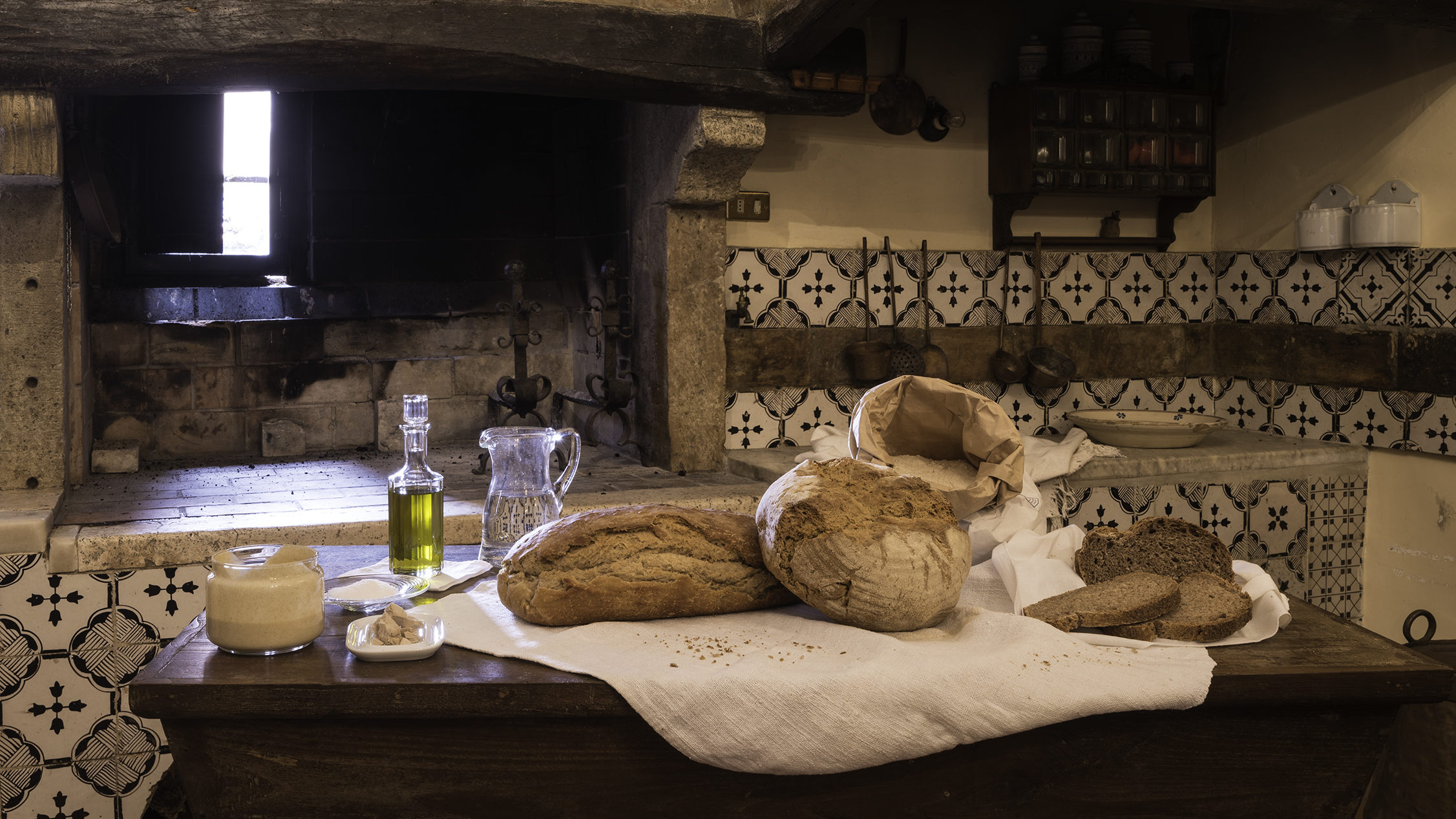
The study also gives an important impetus to develop bakery products using the tested monococcum wheat directly (and also the ID331 type monococcum wheat). This site contains various tests relating to products such as bread and dry products with monococcum wheat both Norberto-ID331 and monococcum type ID331.