Header Image - Gluten Light

Monthly Archives

5 Articles

Chronic low-grade inflammation: what it is and how to reduce it through diet and lifestyle

by luciano

This guide gathers practical dietary and behavioral recommendations useful for reducing the factors that may promote a state of chronic low-grade inflammation.

Chronic low-grade inflammation refers to a mild but persistent inflammatory condition of the body, often not very evident or scarcely perceived. Unlike acute inflammation — which is intense, visible, and temporary (as in the case of an infection, injury, or illness) — this form is more silent and may persist over time. In recent years, numerous studies have highlighted how this inflammatory state may contribute to the development or worsening of several metabolic and immune conditions.

Introduction

The proposed diet consists of a set of dietary guidelines and practices aimed at maintaining the intestinal microbiota in balance and promoting the best possible functioning of the immune system.

To achieve this goal, it is useful to reduce or eliminate factors that may alter the balance of the intestinal microbiota and interfere with the efficiency of the immune system.

The microbiota is naturally dynamic: a certain variability is physiological and may depend, for example, on changes in diet, lifestyle, or environment. In response to these variations, the microbiota may adapt physiologically or develop less favorable responses.

Not all variations in the microbiota are therefore negative. However, when these changes lead to persistent imbalances in the intestinal ecosystem, they may promote conditions of microbiota alteration and contribute to the onset of chronic low-grade inflammation.

Reducing this condition is therefore one of the main objectives of the pathway.

Even in the presence of ongoing diseases, adopting dietary and behavioral recommendations that help reduce chronic low-grade inflammation may contribute to preventing further worsening of the clinical condition and to promoting a better overall balance of the organism.

The diet should also be accompanied by some lifestyle guidelines, particularly regarding:
stress and anxiety management

1. regular physical activity

2. balanced lifestyle habits

This aspect is far from marginal. Numerous studies on the gut–brain axis have in fact highlighted a close bidirectional relationship between the nervous system, the intestine, and the microbiota.

Consequently, prolonged stress conditions may negatively influence intestinal balance and may partially or completely compromise the positive effects of a correct and effective diet.

Finally, but no less important, it should be remembered that the great variability of individual psychophysical conditions and the heterogeneity of responses to therapies, treatments, and dietary regimens often require careful personalization of the diet, possibly supported by one’s physician or a specialist.

It should be emphasized from the outset that:

In a truly healthy subject*, the immune system and the organs responsible for regulating homeostasis are physiologically able to maintain the state of health and defend the organism from external agents, including those of dietary origin. This balance depends on the body’s ability to appropriately modulate inflammatory responses, preserve the integrity of the intestinal barrier, and maintain effective communication between the intestine, the immune system, and the nervous system.

The method: what to avoid and why

  1. Consuming too much food: the stomach should be able to work (digest) as efficiently as possible. It is better to eat several times rather than having one large meal. The most recent scientific literature suggests that the presence of food that is not completely digested in the intestinal lumen may contribute, in specific contexts [1], to processes of chronic low-grade inflammation and to increased intestinal permeability.
    By “specific contexts” we mean the coexistence of an inefficient gastric barrier (hypochlorhydria), slowed intestinal transit (stasis), and altered intestinal permeability (leaky gut), conditions that can transform undigested food residues into pro-inflammatory stimuli for the immune system.

  2. Meals composed of many different dishes [2]: the simpler the composition of a meal, the easier gastric digestion will be. A significant presence of fats [2.1] may slow the passage of food to the intestine, prolonging digestion and potentially causing sensations of heaviness and bloating. Simple sugars are digested very quickly, usually in the small intestine. However, if they are eaten after a complete meal (perhaps rich in proteins and fiber), they remain “trapped” in the stomach [2.3] while waiting for the rest of the food to be processed and may ferment [3].

  3. Industrial food products [4]: as little as possible; they contain additives which, if consumed individually only occasionally, do not usually cause problems but, when accumulated together, may have a more or less marked pro-inflammatory action depending on the individual’s health status. In summary, it is not necessary to rigidly eliminate every food containing additives, but favoring a diet based on minimally processed foods reduces overall exposure to mixtures of additives and represents a simple, safe, and potentially beneficial strategy for intestinal and systemic health.

  4. Industrial beverages: as little as possible; they generally contain large amounts of sugar, sweeteners, and additives.

  5. Foods for people with celiac disease: as little as possible when there is no real medical necessity. Many industrial gluten-free products may contain high amounts of sugars, fats, and additives, and often have a lower fiber content than traditional products. For this reason, it is preferable to limit their consumption when not strictly necessary. It should also be remembered that the additives contained in these products, when combined, may have a pro-inflammatory effect depending on the individual’s health condition.

  6. Wine/beer: with great moderation, because alcohol may interfere with liver metabolism, increase caloric intake, and, if consumed frequently, promote inflammatory processes and alterations of intestinal balance.

  7. Spirits: avoid except in occasional situations.

  8. Coffee: yes, in amounts compatible with individual tolerance to caffeine, but with attention to the overall sugar content that may accompany it.

  9. Spices: yes, favoring those with digestive and antioxidant properties (turmeric, ginger, cinnamon, cumin) and using more irritating ones (black pepper, chili pepper) more moderately.

  10. Fried foods: in moderation because frying increases the caloric content of foods and may produce oxidized compounds and irritating substances that, if consumed frequently, may promote inflammatory processes and make digestion more difficult.

  11. Fiber: essential. Preferably 3–4 times per day. Fiber represents the main and most important source of nourishment for the microbiota: through it the microbiota produces short-chain fatty acids (butyrate, acetate, propionate) that are beneficial for intestinal health.

  12. Processed meats: sparingly, because they generally contain high amounts of salt, preservatives (nitrites and nitrates), and fats—elements which, if consumed frequently, may promote inflammatory processes and metabolic imbalances.

  13. Cheese: yes, in amounts compatible with the individual (limited if intolerant to lactose or casein). They should not be completely eliminated when well tolerated, because they represent a good source of proteins, calcium, and other micronutrients useful for the body. It is nevertheless preferable to favor simple, good-quality cheeses consumed in moderation.

  14. Sweets: in amounts compatible with the individual. If there are problems with sugars (for weight or blood glucose), they should be consumed in appropriate quantities to avoid imbalances. However, it should not be forgotten that they can also represent a compensatory source of pleasure in many situations of stress or anxiety: moderation yes, but without eliminating them completely.

  15. Gluten [5][5.1]: if possible, choose whole or semi-whole wheat pasta; bread: preferably semi-whole or whole made from durum wheat or einkorn/emmer varieties. Soft wheat contains a component of gluten that is very difficult to digest (33mer). Whenever possible, include products made with grains whose gluten is less strong and more tolerable (many ancient grains have these characteristics).

  16. Non-celiac gluten sensitivity (NCGS). This type of intolerance is “dose-dependent.” Once it has been established that a person is intolerant but not celiac, it is necessary to identify the quantity that can be tolerated without causing problems. In these cases, products made with grains whose gluten is less tenacious and more tolerable (many ancient grains have these characteristics) may help manage the issue better. It should also be emphasized that many products for people with celiac disease contain several additives: regarding this aspect, see what was stated in point 3 and note [4].

  17. Water: drink regularly during the day in adequate quantities. Water is essential for the proper functioning of metabolism, digestion, and waste elimination processes. (Doctors keep reminding us… 1.5–2 liters…)

  18. Green tea: because it contains polyphenols and antioxidant substances that may contribute to cellular protection and metabolic balance.

  19. Medications: only when truly necessary and under medical prescription.

  20. Supplements: to be used after consulting a specialist in order to define a “personalized” intake based on the existing disorder or condition. In addition, many supplements have not been sufficiently tested on large and well-characterized populations.

Specific behaviors:

  1. Engage in physical activity, even at a moderate level.

  2. If working, try to avoid situations where work leads to excessive stress.

  3. If in the post-working phase of life, engage in activities that require concentration and, if possible, creativity. Developing projects is highly beneficial for keeping cognitive functions active.

  4. Do not smoke.

  5. With your physician, define the routine general check-ups necessary for proper monitoring of your health, in addition to specific examinations for already diagnosed medical conditions.

*It is also important to clarify that the concept of a “healthy subject” does not simply coincide with the absence of clinically diagnosed diseases. In a more rigorous physiological sense, a person can be defined as truly healthy when they do not present ongoing diseases and are not in a state of chronic low-grade inflammation. This distinction is far from marginal, since in clinical practice the term “healthy” is often used in a reductive sense, coinciding only with the absence of formal diagnoses.

Notes:

[1] Undigested food

Low-grade inflammation is not caused by food itself, but by the disruption of the balance between digestion, microbiota, and the intestinal barrier. In particular:

1. Enzymatic and acid failure: If the stomach (due to stress or medications) does not break proteins down into small amino acids, long peptide chains remain that the body may mistake for threats.

2. Biochemical transformation: Undigested residues, when stagnating, undergo processes of putrefaction (proteins) or excessive fermentation (sugars), producing toxic metabolites (ammonia, phenols, gases) that irritate the intestinal mucosa.

3. The immune breach: In the presence of a “permeable” intestinal mucosa, these macromolecules and toxins cross the cellular wall and come into direct contact with the immune system, keeping it in a constant state of alert (release of inflammatory cytokines).

[2] Simplicity and enzymatic “load”

Each macronutrient (carbohydrates, proteins, fats) requires different enzymes and breakdown times. When we mix too many different foods:

  • The stomach must manage a complex chemical mixture.

  • The body struggles to optimize gastric pH for each food.

Result: A faster and “cleaner” digestion occurs when meals consist of a few well-combined ingredients.

[2.1] The role of fats

Fats are the slowest nutrients to digest. Their presence sends hormonal signals (such as cholecystokinin) that tell the stomach to slow the emptying toward the duodenum.

The positive side: They provide a prolonged sense of satiety.

The negative side: If the meal is excessively fatty, food stagnates in the stomach. This process of stagnation or fermentation is what causes the sensation of a “brick in the stomach” and abdominal bloating.

[2.3] Tips for a balanced but light meal

To avoid heaviness without giving up taste, you could follow these small precautions:

  • Prefer simple cooking methods: steaming, grilling, or baking rather than frying or prolonged sautéing.

  • Limit different protein sources: avoid mixing eggs, cheese, and meat in the same meal.

  • Add fats raw: use extra virgin olive oil at the end of cooking to preserve its properties and facilitate digestion.

In summary

The fewer “obstacles” we give our digestive system in the form of complex combinations and heavy fats, the more energy we will have available after a meal instead of feeling sleepy and bloated.

[3] Sugars

While fats slow digestion for reasons of “biochemical management” (the stomach closes the valve to take more time), simple sugars consumed at the end of a meal (here quantity plays an important role) create a sort of digestive “queue” in the stomach.

3.1. The “plug” effect and fermentation

Simple sugars are digested very quickly, usually in the small intestine. If they are consumed after a complete meal (perhaps rich in proteins and fiber), they remain “trapped” in the stomach while waiting for the rest of the food to be processed.

Consequence: In that warm and humid environment, sugars begin to ferment.

Result: Gas production, immediate abdominal bloating, and a sensation of acidity.

3.2. Fluid attraction (Osmosis)

Sugars are “osmotic” substances, meaning they attract water into the stomach and intestines in order to be diluted.

This influx of fluids can cause a sensation of abdominal distension and, in some cases, cramps or accelerated intestinal transit (not necessarily in a beneficial sense).

3.3. The impact on insulin

Unlike fats, which do not significantly stimulate insulin, a dessert at the end of a meal (again, quantity plays an important role) may cause a significant glycemic spike.

If the preceding meal was already rich in carbohydrates (pasta or bread), the dessert becomes the “last drop that makes the cup overflow.”

This spike is often followed by a crash (reactive hypoglycemia) that makes you feel tired and lacking energy shortly after eating.

Characteristic

High Fat

Sugars (Sweets)

Main action

Slow gastric emptying.

Ferment while waiting to be digested.

Sensation

Heaviness, “stone in the stomach”.

Bloating, gas in the abdomen, drowsiness.

Hormonal effect

Prolonged feeling of satiety.

Insulin spike followed by fatigue.

3.4. Fermentation in the stomach

3.4.1. Normal conditions: the acid barrier

In a truly healthy subject*, fermentation in the stomach is almost absent because it is a highly acidic environment due to hydrochloric acid.

Hostile environment:

The stomach secretes hydrochloric acid, maintaining a very low pH (about 1.5–3.0). This high level of acidity acts as a real safety filter, neutralizing most bacteria and yeasts ingested with food.

Transit speed:

Under normal conditions, simple sugars pass rapidly into the duodenum (about 15–30 minutes), without giving the few surviving microorganisms enough time to initiate fermentation processes.

The stomach, however, is not completely sterile. Some microorganisms may, under certain circumstances, be present and play a limited role:

Yeasts (such as Candida albicans):

They are naturally present in the digestive tract. If sugars remain in the stomach for too long, for example due to a previous meal that is slow to digest, yeasts may metabolize them producing gas (carbon dioxide) and small amounts of ethanol.

Acid-tolerant bacteria:

Some strains of lactobacilli or bacteria coming from the duodenum (especially when gastric acidity is temporarily buffered by food) may contribute to limited fermentative processes.

3.4.2. Altered conditions: when the stomach “ferments”

Fermentation becomes possible when the acid barrier is reduced or when food stagnates in the stomach. The main causes may include:

Chronic stress (brain–gut axis):
Prolonged stress may act on two fronts:

  • Reduced acid secretion: through activation of the sympathetic nervous system, stress may reduce the production of HCl, increasing gastric pH and making the environment more favorable for microbial survival.

  • Altered motility: stress may modify gastric contractions, slowing gastric emptying.

Very complex or high-fat meals:

Fats stimulate hormonal signals that slow gastric emptying and the opening of the pylorus. If simple sugars are introduced on top of this slowdown, gastric contents may remain in the stomach for longer.

Use of medications:

Proton pump inhibitors (PPIs) artificially increase gastric pH, reducing the natural bactericidal effect of hydrochloric acid.

Excess presence of yeasts (SIFO):

In conditions of dysbiosis, yeasts such as Saccharomyces or Candida may more heavily colonize the upper digestive tract and contribute to the fermentation of sugars.

3.4.3. The consequences: what gastric fermentation causes

Although quantitatively lower than intestinal fermentation, fermentation in the stomach is very uncomfortable because it occurs in an organ located high in the torso:

Gas production ($CO_2$):
Gas accumulates rapidly, causing distension of the gastric walls (a balloon-like sensation under the sternum).

Belching and reflux:

Gas pressure pushes against the cardia (the upper valve). This may cause the upward movement of air mixed with acidic vapors or food (reflux).

Organic acidity:

Bacteria and yeasts produce organic acids (such as lactic acid) that irritate the mucosa, creating a burning sensation different from that caused by pure hydrochloric acid.

Postprandial drowsiness:

The production of small amounts of fermentation by-products (such as ethanol or acetaldehyde) may contribute to “brain fog” or extreme tiredness after eating sweets.

In summary

Gastric fermentation does not represent a normal physiological process, but may indicate an alteration of the digestive environment caused by reduced gastric acidity or by delayed gastric emptying. These conditions allow microorganisms to metabolize sugars before complete digestion occurs.

[4] Additives and intestinal health

The impact of food additives on health does not depend only on their intrinsic toxicity (regulated by health authorities), but also on their synergistic effect on the intestinal barrier. In particular, research highlights two critical mechanisms:

4.1. Alteration of the protective mucus layer (Emulsifiers):

Additives such as carboxymethylcellulose (E466) or polysorbate-80 (E433), commonly found in industrial sauces and desserts, may act as surfactants. They tend to “dissolve” the mucus layer that lines the intestine, allowing bacteria to come into direct contact with the mucosal cells, thereby triggering a chronic inflammatory response.

4.2. Dysbiosis and permeability (Sweeteners and preservatives):

The constant intake of mixtures of additives may alter the composition of the microbiota (dysbiosis). A bacterial imbalance, combined with the action of certain preservatives, may weaken the tight junctions between intestinal cells. This increase in permeability (leaky gut) facilitates the passage of bacterial fragments and undigested molecules into the bloodstream, promoting systemic low-grade inflammation.

[5] Undigested gluten

In healthy individuals, according to current knowledge, there is no solid and conclusive clinical evidence demonstrating a significant systemic impact of gluten on intestinal permeability or on the inflammatory balance of the organism.

Nevertheless, in individuals who present genetic predispositions, immune vulnerabilities, or existing clinical conditions—even when not yet clearly manifested clinically—adopting a principle of nutritional caution does not represent excessive prudence but rather an attitude of preventive responsibility. This approach does not necessarily imply the indiscriminate elimination of gluten from the diet, but rather a careful and personalized evaluation of the person’s clinical, metabolic, and nutritional context.

In these cases, diet may contribute—either positively or negatively—to the modulation of the inflammatory and immune balance of the organism, within a systemic view of health.

The quality of daily nutrition does not exert effects exclusively on the intestine. It influences overall immune tone, the level of chronic low-grade inflammation, and indirectly also brain health through the complex mechanisms of the gut–brain axis. Taking care of the intestine therefore largely means taking care of the entire organism.

[5.1] Gluten and intestinal permeability

Gluten is a complex protein rich in prolamins (gliadins) that our enzymatic system is not able to completely digest.

Gliadins are composed of long chains of amino acids—the “building blocks” of proteins—linked together in a way that makes the action of digestive enzymes difficult, preventing the complete separation of these amino acids before absorption by the intestinal wall.

In predisposed individuals, some of these incompletely digested protein fragments may stimulate the release of zonulin, a protein that acts as a regulator of intestinal junctions.

While in a healthy individual these “gates” close rapidly without consequences, in vulnerable subjects they may remain open longer, facilitating intestinal permeability and the appearance of low-grade inflammatory processes, as described in the previous points.

Main scientific references

Below are some high-profile scientific studies that support the concepts described in this guide, particularly regarding intestinal permeability and the possible impact of food additives and emulsifiers on intestinal balance.

1. On intestinal permeability and zonulin (Points [1] and [5])

This research is fundamental because it identified the biological mechanism through which gluten and intestinal health interact, introducing the concept of the “opening” of tight junctions.

Author: Alessio Fasano
Title: Zonulin, regulation of tight junctions, and autoimmune diseases
Year: 2011 (with continuous updates until 2020)
DOI: 10.1146/annurev-med-051809-150355

Extended abstract:

The research describes the discovery of zonulin, one of the main physiological modulators of intestinal tight junctions. The study shows how undigested fragments of gluten (gliadin) stimulate the release of zonulin not only in individuals with celiac disease but also in genetically predisposed individuals. This release increases intestinal permeability, allowing antigens to pass from the intestinal lumen into the bloodstream. The work highlights how this process may underlie chronic low-grade inflammation and trigger systemic immune responses, contributing to the scientific understanding of intestinal permeability.

2. On the effect of emulsifiers and intestinal mucus (Point [4])

This study is a milestone regarding industrially processed foods and explains why the cumulative effect of additives is a concern for the microbiota.

Author: Benoit Chassaing et al.
Title: Dietary emulsifiers impact the mouse gut microbiota promoting colitis and metabolic syndrome
Year: 2015 (published in Nature)
DOI: 10.1038/nature14232

Extended abstract:

The authors analyzed the impact of two common industrial emulsifiers: carboxymethylcellulose and polysorbate-80. The study demonstrates that these substances are not inert but directly alter the composition of the microbiota and the interaction between bacteria and the host. In particular, emulsifiers reduce the thickness of the protective intestinal mucus layer, allowing bacteria to come excessively close to epithelial cells. This leads to chronic intestinal inflammation that is reflected systemically through metabolic alterations (increased blood glucose and adiposity). The research suggests that the widespread use of these additives may have contributed to the global rise in chronic inflammatory diseases.

Why cite these studies in the guide?

  1. Validation of “leaky gut”:
    The research of Alessio Fasano brings the concept of intestinal permeability out of the realm of alternative medicine and into academic medicine.

  2. Risks of ultra-processed foods:
    The study by Benoit Chassaing published in Nature provides biochemical evidence that the problem with industrial foods is not only sugar but also their chemical structure (such as emulsifiers).

  3. Systemic approach:
    Both studies confirm that what happens in the intestine has immediate effects on metabolism and on the overall immune system (low-grade inflammation).

Conclusion

Taking care of the intestine means adopting an attitude of conscious prevention. Absolute rigidity is not necessary, but rather a simple, balanced, and high-quality dietary approach capable of protecting not only the intestine but the entire organism—including brain health.

Low-Grade Chronic Inflammation in Italian Science Communication (2025–2026)

Introduction to Journalistic Sources

Selection of authoritative Italian articles from 2025–2026 that address low-grade chronic inflammation directly or substantially, especially in relation to longevity, diet, physical activity, stress, and metabolism. Among the most relevant are: “Silent Chronic Inflammation: What It Is, Symptoms, and How to Treat It” from Style/Corriere della Sera (April 10, 2026); “Is It True That Sport Does Not Help You Lose Weight?…” from Corriere della Sera (March 21, 2026); “The Three ‘F’s That Keep the Intestine (and the Brain) Healthy” from Cook/Corriere (March 14, 2026); “Yes, Diet Can Slow Aging” from la Repubblica Salute (August 11, 2025); “The Secret of Longevity for 2026? Breathe, Rest, Smile, and Learn to Forgive” from la Repubblica Salute (December 23, 2025); and “Tell Me How You Eat and I’ll Tell You How You Age” from la Repubblica Salute (December 30, 2025).

Below is an extended abstract constructed from these articles.

Extended Abstract

In Italian scientific and health journalism of 2025–2026, low-grade chronic inflammation emerges as a cross-cutting interpretative key for understanding biological aging and many chronic degenerative diseases. The selected articles describe it not as an acute and visible episode, but as a persistent, “silent” state of low-intensity immune activation, often lacking specific symptoms but capable, over time, of promoting insulin resistance, increased abdominal fat, chronic fatigue, and a greater cardiovascular and neurodegenerative risk. Style/Corriere indeed defines it as a “silent enemy” and a “common ground” for numerous clinical conditions, emphasizing how it is often normalized in everyday life.

A first very strong narrative line concerns the relationship between inflammation and aging. la Repubblica Salute explicitly connects low-grade chronic inflammation with “inflammaging,” that is, the process through which the organism ages in the presence of persistent immune activation and oxidative stress. In the article about telomeres, the central idea is that the inflammatory potential of the diet may accelerate or slow telomeric erosion: pro-inflammatory foods are associated with shorter telomeres, while dietary patterns richer in fiber, polyphenols, and unsaturated fats are presented as plausibly protective. The same newspaper, at the end of 2025, reiterates that preventing inflammation is essential for longevity, because it accelerates biological age and increases the risk of the main diseases of older age.

A second thematic area concerns diet as a modulation factor. The articles do not propose miraculous solutions, but converge on some recurring elements: reducing ultra-processed foods or those with a high inflammatory load, stabilizing blood glucose, favoring minimally processed foods, quality fats, fiber, and foods that support the intestinal microbiota. Style/Corriere lists among the most favorable foods fish rich in omega-3, leafy green vegetables, berries, extra-virgin olive oil, oil seeds, turmeric, ginger, and fermented foods, insisting however that the benefit depends on the overall dietary pattern and not on the single “superfood.” la Repubblica reinforces this approach by citing the Dietary Inflammatory Index (DII), used to estimate how pro- or anti-inflammatory a diet is.

A third direction concerns the role of physical movement. In Corriere della Sera of March 21, 2026, physical activity is presented as a “multi-target drug” that does not serve only to burn calories, but acts on insulin sensitivity, liver fat, blood pressure, glycemia, sleep, and mood. In this framework, movement and a healthy diet are described as powerful modulators of low-grade chronic inflammation, also thanks to the production of myokines by contracting muscle, that is, molecules with anti-inflammatory and metabolic effects. The Cook/Corriere article on the microbiota completes the picture by suggesting that regular sport and the health of intestinal mucosae are closely connected, with possible combined benefits on autophagy, immune function, and reduction of systemic inflammation.

A fourth strand concerns stress, sleep, and neuroendocrine regulation. Style/Corriere insists that chronic stress and poor sleep quality directly fuel inflammatory processes; the increase in cortisol, the worsening of insulin sensitivity, and the increase in hunger are recalled as mechanisms that keep the organism in a prolonged state of alert. Wired Italia, although not focused exclusively on low-grade chronic inflammation, reinforces the idea that chronic dysregulation of cortisol and circadian rhythms may contribute to visceral obesity, metabolic alterations, and persistent stress, all elements consistent with the pro-inflammatory framework discussed in the other articles. la Repubblica, in the interview on longevity, extends the reasoning to oral health and psychological well-being, suggesting that periodontal diseases and chronic emotional stress may also increase systemic inflammation.

Overall, these articles present low-grade chronic inflammation as a systemic condition in which nutrition, body composition, stress, sleep, microbiota, physical exercise, and cellular aging converge. The prevailing journalistic message is that it is not a single disease, but rather a “biological substrate” that may precede or accompany many diseases. From this derives a strongly preventive vision: not extinguishing a symptom, but reducing the daily inflammatory load through repeated and realistic interventions on lifestyle.

From a critical point of view, however, it should be observed that these texts are journalistic dissemination articles, not systematic reviews or guidelines. Some report studies or interviews with specialists correctly but in a synthetic way; others use a more lifestyle-oriented tone and simplify a complex biological framework. The convergence among different newspapers, however, is remarkable: all recognize low-grade chronic inflammation as a central node between metabolism and aging, and all indicate lifestyle habits as the main area of intervention. This convergence does not replace clinical evidence, but signals that the topic has now firmly entered the Italian public discourse on prevention and longevity.

Journalistic Sources

Style – Corriere della Sera, April 10, 2026, “Silent Chronic Inflammation: What It Is, Symptoms, and How to Treat It.”
Corriere della Sera, March 21, 2026, “Is It True That Sport Does Not Help You Lose Weight? Here Is Why Exercise Does Not Count Only for the Calories Burned.”
Cook – Corriere della Sera, March 14, 2026, “The Three ‘F’s That Keep the Intestine (and the Brain) Healthy.”
la Repubblica – Salute, August 11, 2025, “Yes, Diet Can Slow Aging.”
la Repubblica – Salute, December 23, 2025, “The Secret of Longevity for 2026? Breathe, Rest, Smile, and Learn to Forgive.”
la Repubblica – Salute, December 30, 2025, “Tell Me How You Eat and I’ll Tell You How You Age.”

In-Depth Analysis of Some Significant Articles

1. Corriere della Sera – Style

Corriere della Sera
Title: Silent Chronic Inflammation: What It Is and How to Counter It with Diet and Lifestyle
Section: Style – Wellness
Date: April 10, 2026

Short quote from the article

“Low-grade chronic inflammation is a silent process that may, over time, promote metabolic, cardiovascular, and neurodegenerative diseases.”

Extended Abstract

The article describes low-grade chronic inflammation as a persistent biological condition characterized by a mild but continuous activation of the immune system. Unlike acute inflammation, it does not present evident symptoms but may develop slowly over time, contributing to the development of various chronic diseases. Among these are obesity, type 2 diabetes, cardiovascular diseases, and processes of accelerated aging.

The text highlights the central role of lifestyle in modulating inflammatory processes. A diet rich in ultra-processed foods, refined sugars, and saturated fats would favor a pro-inflammatory state, while a balanced diet rich in fiber, vegetables, fish, and unsaturated fats would have anti-inflammatory effects. The contribution of the intestinal microbiota in regulating the systemic immune response is also emphasized.

Another relevant dimension concerns the relationship between chronic inflammation and biological aging. The article refers to the concept of inflammaging, that is, accelerated aging associated with a persistent inflammatory state. According to the experts cited, reducing the inflammatory load through balanced nutrition, regular physical activity, adequate sleep, and stress management represents a fundamental preventive strategy.

2. la Repubblica – Salute

la Repubblica
Title: Yes, Diet Can Slow Aging: The Role of Inflammation and Telomeres
Section: Health
Date: August 11, 2025

Short quote

“A diet with a high inflammatory index is associated with shorter telomeres and faster biological aging.”

Extended Abstract

The article analyzes the link between diet, systemic inflammation, and cellular aging. It presents the concept of the Dietary Inflammatory Index (DII), used in epidemiological studies to evaluate the pro- or anti-inflammatory potential of diet. According to the research cited, dietary patterns rich in simple sugars, saturated fats, and highly processed foods are associated with an increase in inflammatory markers and with a greater probability of shorter telomeres. Telomeres, structures that protect the ends of chromosomes, represent a biological indicator of cellular aging. Conversely, a diet rich in fruit, vegetables, fiber, whole grains, legumes, and fish appears correlated with a lower level of systemic inflammation. The article suggests that the Mediterranean dietary pattern may represent an effective strategy for modulating chronic inflammatory processes and promoting greater longevity.

3. Corriere della Sera – Salute

Corriere della Sera
Title: Is It True That Sport Does Not Help You Lose Weight? Why Exercise Matters Beyond Calories
Date: March 21, 2026

Short quote

“Regular physical activity reduces systemic inflammation and improves insulin sensitivity, blood pressure, and metabolism.”

Extended Abstract

The article discusses the role of physical activity in metabolic health and in the prevention of chronic diseases. The text clarifies that physical exercise does not act only through caloric expenditure but produces a series of complex physiological effects that include regulation of blood glucose levels, improvement of insulin sensitivity, and reduction of systemic inflammation levels.

Part of the analysis concerns the production of myokines, molecules released by muscle during contraction that exert anti-inflammatory and metabolic effects. Through these mechanisms, physical activity contributes to the reduction of low-grade chronic inflammation and to the improvement of cardiovascular and metabolic health.

Possible Role of Arabinoxylans in the Dynamic Model of Einkorn Dough (Analysis performed by ChatGPT)

by luciano

Introduction
This contribution analyzes the possible role of arabinoxylans in the dynamic model of einkorn dough, based on the test described in the following articles:

  1. Advanced methodology for producing bread doughs with flours having limited gluten development capacity

  2. Experimental application of the advanced methodology for the production of bread doughs with flours having limited gluten development capacity: analysis of the results. (Analysis performed by ChatGPT)

Summary of the previous articles

In these articles, the interpretation of experimental observations led to the hypothesis of a dynamic model of einkorn dough, structured in sequential phases:

dispersion → instability → reorganization → stabilization

Experimental observations showed that:

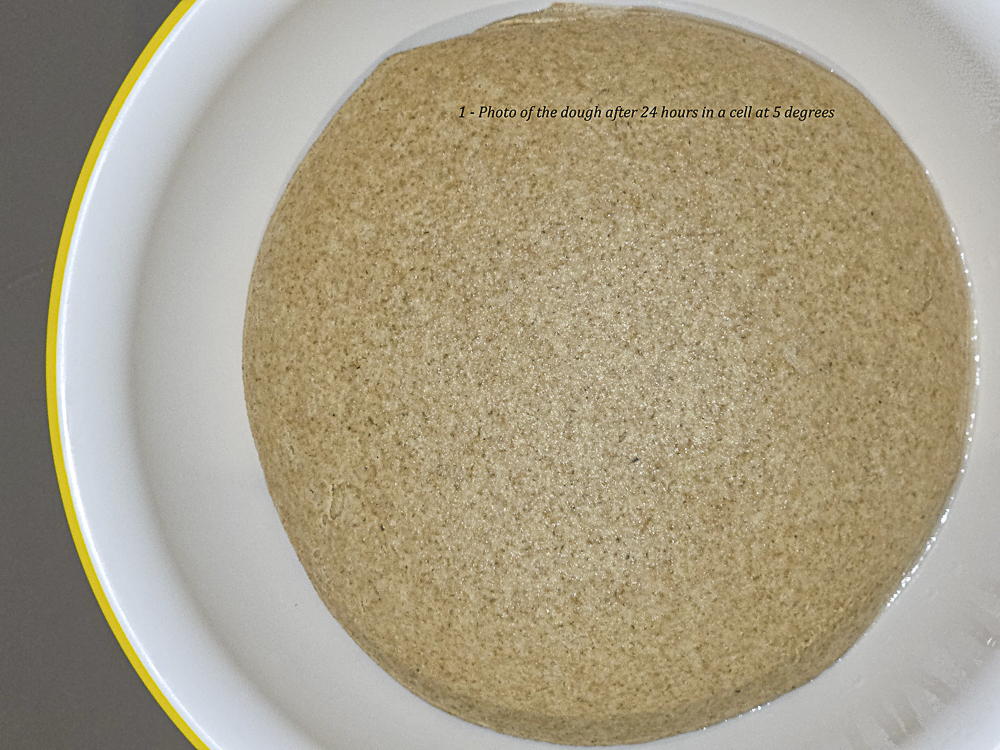
1. the protein network temporarily loses continuity after cold maturation
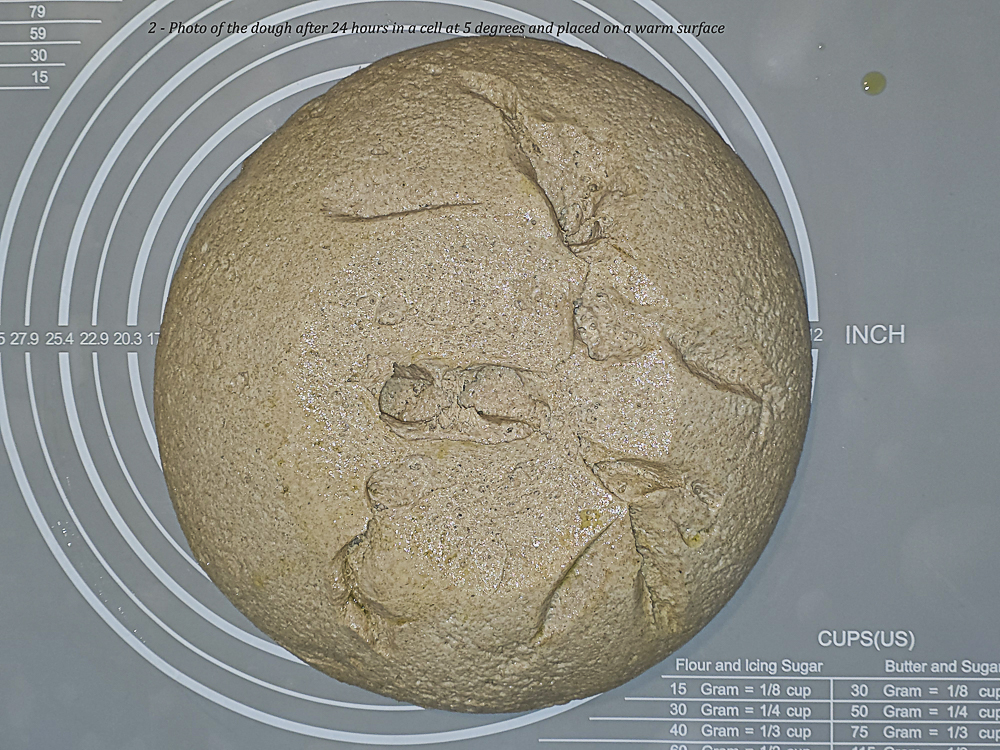
2. surface fractures appear during thermal reactivation
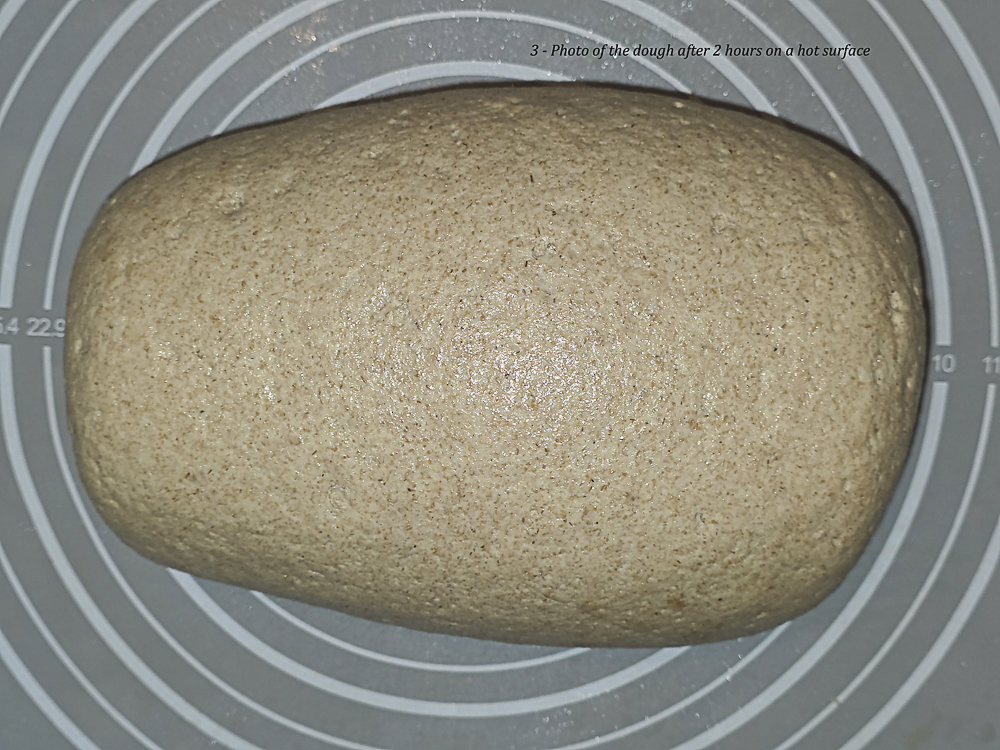
3. the dough recovers cohesion after resting and handling
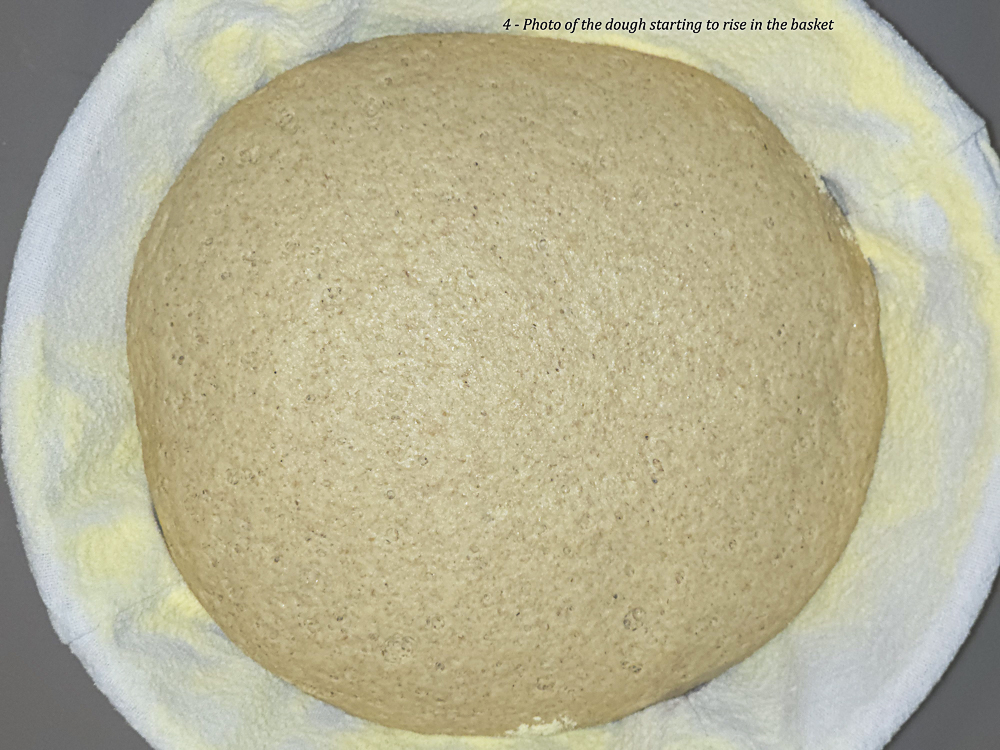
4. the final bread maintains functional gas retention

This sequence suggests a non-linear and reversible behavior of the dough matrix, rather than a simple degradative process [4].

  1. Theoretical role of arabinoxylans in the dynamic model

2.1 Dispersion and competition for water

In the proposed model, arabinoxylans may already intervene in the initial dispersion phase of the biga. In this phase:

1. they absorb large quantities of water [2]
2. they increase the viscosity of the liquid phase [3]
3. they compete with gluten proteins for hydration [2]

This has two main effects:

1. temporary reduction of the continuity of the protein network [2]
2. increase in the viscosity of the system [3]

The observed phenomenon should not necessarily be interpreted as structural damage, but rather as a redistribution of water between proteins and polysaccharides [2].

2.2 Cold maturation: slow hydration of the polysaccharide matrix

During storage in the refrigerator the following may occur:

1. progressive hydration of insoluble arabinoxylans [2]
2. partial solubilization of some fractions [3]
3. increase in the viscosity of the aqueous phase [3]

This may produce a more continuous but less elastic matrix, in which:

1. the gluten network appears more relaxed [5]
2. the polysaccharide phase is more hydrated

Within the framework of the dynamic model, this phase corresponds to a biochemical relaxation of the matrix.

2.3 Post-cold storage critical window

When the dough returns to a higher temperature, the following occur simultaneously:

1. reactivation of fermentation
2. increase in gas pressure
3. variation in the viscosity of the polysaccharide matrix [3]

In this phase arabinoxylans may:

1. increase the viscous resistance of the system [3]
2. make the surface more fragile in the case of non-uniform hydration [4]

This may explain the appearance of temporary surface ruptures. From this perspective, the surface of the dough may behave like a heterogeneous viscoelastic membrane [4].

2.4 Network reorganization

During warm resting and handling:

1. the protein network may reorganize part of the disulfide bonds [5]
2. arabinoxylans may contribute to forming a continuous viscous matrix [3]

This results in a composite structure composed of:

1. protein network
2. polysaccharide matrix

This aspect is particularly relevant in cereals with weak gluten, in which dough structure is often hybrid rather than purely gluten-based [6].

“It is also plausible that a fraction of gluten proteins is not initially fully integrated into the network due to incomplete hydration or uneven water distribution within the dough matrix. During resting and handling, the progressive redistribution of water and the relaxation of the structure may allow these protein fractions to become progressively incorporated into the gluten network, contributing to the recovery of cohesion observed experimentally.”system. This mechanism may contribute to the observed recovery of cohesion.”

2.5 Final effect on the crumb

When the system is well balanced, the structure that retains gas derives from the interaction between:

1. protein network
2. viscosity of the polysaccharide phase [3]
3. gelatinized starch

Even in less balanced systems, such as in your Series II, arabinoxylans may contribute to retaining part of the gas, even in the presence of a less organized protein network. This is consistent with the observation of an irregular but stable crumb and of bread that remains functional [3].

In summary

In einkorn, dough structure can be interpreted as the result of the interaction between:

1. protein network
2. cell-wall polysaccharide matrix

In this system arabinoxylans contribute to:

1. regulation of the viscosity of the aqueous phase [3]
2. distribution of water in the dough [2]
3. stabilization of the structure [3]

In cereals with limited gluten development capacity, these polysaccharides play a complementary role in the retention of fermentation gases [3][6].

  1. Role of the polysaccharide matrix in ancient wheats

Some studies indicate that in ancient wheats such as einkorn, emmer, and spelt, dough structure does not depend exclusively on the gluten network but is also influenced to a greater extent by the non-starch matrix of the cell wall [6][7].

Compared with modern wheats, these cereals show:

1. a gluten network that is generally weaker and less continuous [6]
2. a greater relative influence of non-protein components, including arabinoxylans and other fibers [2][3]

In this context, the dough may be interpreted as less gluten-dominant and more matrix-dominant, that is, more dependent on the polysaccharide matrix and its interactions with water and proteins [3][6].

This theoretical framework is consistent with what was observed in the present study:

1. the protein network shows a temporary loss of continuity
2. the overall structure of the dough remains functional
3. a recovery of cohesion is observed after a phase of instability

Consequently, in einkorn the stability of the dough may depend not only on the initial integrity of the gluten network but also on the ability of the overall matrix to reorganize and redistribute internal stresses.

It should be specified, however, that in the present study the components of the non-starch matrix were not measured directly. Their role should therefore be considered as an interpretative hypothesis consistent with the literature, not as direct experimental evidence [2][3][6].

  1. Interpretation of the experimental results

The experimental documentation clearly highlights several points:

1. the dough network loses continuity after removal from the cold chamber
2. surface ruptures and temporary fragility appear
3. after resting and handling the mass recovers cohesion and continuity
4. the final bread shows a functional structure and effective gas retention

The observed sequence:

relaxed network → surface instability → reorganization → functional structure

is compatible with complex viscoelastic models described in the literature [4].

From a scientific perspective, this means that einkorn dough does not behave in a linearly degradative way.

The observed rupture is not necessarily an irreversible structural failure but may be part of a transient phase of matrix reorganization.

This is consistent with:

1. models of viscoelastic materials [4]
2. dynamics of gluten proteins [5]

This is one of the most interesting results of your work.

  1. Post-cold storage reorganization dynamics: original contribution of the work

The literature on ancient wheats mainly focuses on aspects such as protein composition, gluten quality, rheological parameters (alveography and farinography), and final bread volume. In this framework, einkorn is generally described as having weaker gluten, greater extensibility, and lower structural stability [6][7].

Studies that explicitly analyze the temporal dynamics of the dough network during the process, particularly in the stages following cold maturation, are relatively rare. In particular, the following aspects remain poorly documented:

1. phenomena occurring after thermal reactivation of the dough
2. evolution of the structure during resting at room temperature
3. the possibility of network reorganization following an apparent loss of continuity

To date, explicit descriptions of this sequence in einkorn appear limited; however, the observed behavior is consistent with general models of viscoelastic systems and with the known properties of the gluten network and the polysaccharide matrix.

The present study directly addresses this aspect by experimentally documenting the evolutionary sequence of the dough in the post-cold storage phase.

The photographic documentation and experimental protocol coherently highlight the following succession of states:

  1. apparently stable network at the end of cold maturation

  2. appearance of surface discontinuities during thermal reactivation

  3. progressive recovery of cohesion following resting and handling

  4. formation of a final functional structure capable of retaining fermentation gases

This sequence indicates that einkorn dough may pass through a phase of structural instability after cold storage that does not correspond to an irreversible collapse of the network but rather to a transient phase of matrix reorganization.

This result contrasts with the widespread operational interpretation according to which loss of surface continuity should be considered indicative of irreversible dough damage. On the contrary, the data suggest that this phase may represent a physiological transition of the system.

From the perspective of soft-matter physics, the observed behavior is compatible with that of complex viscoelastic systems, in which transitions may occur between states characterized by apparent rupture, relaxation, and subsequent structural reorganization, as described for doughs and other structured food systems [4][5].

In the case of einkorn, this phenomenon may be particularly evident for two main reasons:

the lower dominance of the gluten network compared with modern wheats [6]
the greater relative influence of the non-protein matrix, including polysaccharides such as arabinoxylans, on the viscosity and structure of the system [2][3]

These conditions make structural transitions less masked and therefore more observable at the macroscopic level.

In light of these observations, the present work suggests that in einkorn the final quality of the dough does not depend exclusively on the initial strength of the protein network but on the synchronization between matrix reorganization and fermentative development.

Within this framework, the post-cold storage phase emerges as a critical window of the process, in which phenomena of apparent instability may actively contribute to the construction of the final dough structure.

  1. Scientifically correct formulation

A rigorous formulation could be the following:

Experimental observations show that einkorn dough undergoes a phase of surface instability after thermal reactivation, followed by recovery of structural cohesion during resting and handling. This behavior suggests a non-linear dynamics of the dough matrix. Although in the present study the non-starch components of the cell wall were not measured directly, the observed phenomenon is consistent with models described in the literature in which matrix polysaccharides, particularly arabinoxylans, contribute to system viscosity and gas retention in cereals with limited gluten development capacity [2][3][6].

  1. Conclusions

The main conclusion of the work is that, in einkorn, temporary surface rupture does not necessarily imply failure of the network.

The network may:

break → reorganize → stabilize

if thermal and temporal conditions are appropriate [4][5].

This result is relevant because it contrasts with the widespread idea that einkorn simply collapses once network continuity is lost.

More generally, your work suggests that einkorn dough should be interpreted as a dynamic system, in which final functionality depends on the interaction between:

1. protein network
2. polysaccharide matrix
3. fermentative development
4. timing and thermal conditions of the process

Reference bibliography

[1] Izydorczyk, M. S., & Biliaderis, C. G. (1995).
Cereal arabinoxylans: Advances in structure and physicochemical properties.
Carbohydrate Polymers, 28(1), 33–48.
DOI: 10.1016/0144-8617(95)00077-1

[2] Courtin, C. M., & Delcour, J. A. (2002).
Arabinoxylans and endoxylanases in wheat flour bread-making.
Journal of Cereal Science, 35(3), 225–243.
DOI: 10.1006/jcrs.2001.0433

[3] Saulnier, L., Sado, P.-E., Branlard, G., Charmet, G., & Guillon, F. (2007).
Wheat arabinoxylans: Exploiting variation in amount and composition to develop enhanced varieties.
Journal of Cereal Science, 46(3), 261–281.
DOI: 10.1016/j.jcs.2007.06.014

[4] Dobraszczyk, B. J., & Morgenstern, M. P. (2003).
Rheology and the breadmaking process.
Journal of Cereal Science, 38(3), 229–245.
DOI: 10.1016/S0733-5210(03)00059-4

[5] Wieser, H. (2007).
Chemistry of gluten proteins.
Food Microbiology, 24(2), 115–119.
DOI: 10.1016/j.fm.2006.07.004

[6] Shewry, P. R., & Hey, S. J. (2015).
The contribution of wheat to human diet and health.
Philosophical Transactions of the Royal Society B, 370(1679), 20140271.
DOI: 10.1098/rstb.2014.0271

[7] Hidalgo, A., & Brandolini, A. (2014).
Nutritional properties of einkorn wheat (Triticum monococcum L.).
Journal of the Science of Food and Agriculture, 94(4), 601–612.
DOI: 10.1002/jsfa.6382

[8] Gebruers, K., Dornez, E., Boros, D., Fras, A., Dynkowska, W., Bedő, Z., Rakszegi, M., Delcour, J. A., & Courtin, C. M. (2008).
Variation in the content of dietary fiber and components thereof in wheats in the HEALTHGRAIN diversity screen.
Journal of Cereal Science, 48(3), 845–857.
DOI: 10.1016/j.jcs.2008.01.012

Whole Einkorn Wheat LiCoLi: Microbiology, Fermentation, and Technological Implications

by luciano

Review of the Scientific Literature on Whole Einkorn Wheat LiCoLi

Index

Part I – Microbiological and technological foundations of einkorn wheat LiCoLi

1. LiCoLi as a stable microbial ecosystem

2. The role of sourdough age

3. Microbiology of einkorn LiCoLi

4. Metabolic interactions in LiCoLi

5. Effects of fermentation on nutritional properties

6. Technological stability of mature einkorn LiCoLi

7. Technological implications for einkorn doughs

Part II – In depth analysis of mature whole einkorn wheat LiCoLi

Introduction

1. Typical microbiota of mature LiCoLi

1.1 Microbial community of LiCoLi

2. Specific microbiota of einkorn LiCoLi

3. Microbiological differences between einkorn and modern wheat

3.1 Effect of flour on the microbiome

4. Evolution of the microbiome over time

4.1 Initial dynamics

4.2 Stabilization in mature sourdoughs

5. Metabolic interactions between yeasts and bacteria

6. Technological implications of mature LiCoLi

7. Combined use of LiCoLi and baker’s yeast in bread doughs

7.1 Interaction between the two fermentative systems

7.2 Effects on fermentation dynamics

7.3 Effects on the aromatic profile

7.4 Technological effects on the dough

7.5 Practical considerations

7.6 Summary of the mixed fermentation system

Final conclusions

Related in depth study:

Proteolytic activity of whole einkorn wheat LiCoLi – lactic acid bacteria, bran enzymes and gluten protein hydrolysis. (scientific article published separately)

Abstract

Liquid Sourdough Starter (LiCoLi) obtained from einkorn wheat (Triticum monococcum) represents a complex fermentation system in which yeasts and lactic acid bacteria interact stably over time. In mature sourdoughs, maintained for years through regular refreshments, the microbial community reaches a relatively stable ecological balance with significant effects on fermentation, the aromatic profile and the technological properties of doughs. This article summarizes the available scientific knowledge on sourdough microbiology, with particular reference to whole einkorn fermentation and the phenomena observed in mature sourdough starters.

Methodological note: relationship between sourdough and LiCoLi

Most scientific studies on sourdough microbiology concern sourdough, a term used in the international literature to indicate flour and water doughs spontaneously fermented by communities of lactic acid bacteria (LAB) and yeasts.

LiCoLi (Liquid Sourdough Starter) represents a technological variant of this fermentation system characterized by high dough hydration, generally close to or above 100% relative to the weight of flour. From a microbiological point of view, LiCoLi can therefore be considered a liquid sourdough.

For this reason, many experimental findings obtained from traditional sourdoughs can also be applied to LiCoLi. However, high hydration may influence some ecological parameters of the fermentation system, including:

1. the fermentation rate

2. the diffusion of metabolites

3. the ratio between lactic acid and acetic acid

4. the growth dynamics of microbial populations.

In this article the term LiCoLi is used to indicate a liquid sourdough starter obtained from whole einkorn wheat flour, while references to the scientific literature on sourdough are considered applicable to this fermentation system due to the microbiological similarities between the two models.

1. LiCoLi as a stable microbial ecosystem

Sourdough is an ecosystem composed mainly of:

1. lactic acid bacteria (LAB)

2. osmotolerant yeasts

which live in metabolic symbiosis.

Lactic acid bacteria ferment sugars derived from starch degradation producing:

1. lactic acid

2. acetic acid

3. aromatic compounds.

Yeasts primarily produce:

1. CO₂, responsible for leavening

2. aromatic metabolites useful for flavor development.

Among the most common bacteria in mature LiCoLi are:

1. Fructilactobacillus sanfranciscensis

2. Limosilactobacillus pontis

3. Leuconostoc citreum

These microorganisms are particularly adapted to the acidic environment and to the availability of maltose typical of flour and water dough.

During fermentation several secondary metabolites are produced, including ethanol, organic acids (lactic, acetic and succinic acid), esters, aldehydes, diacetyl, acetoin and other volatile aromatic compounds that contribute to the development of the sensory profile of bread. Some lactic acid bacteria may also produce mannitol and exopolysaccharides, molecules that influence dough structure, moisture retention and the softness of the final product.

Table – Main metabolites produced in sourdough fermentation and their technological effects

Metabolite

Main microorganism

Effect on bread

Lactic acid

Lactic acid bacteria (e.g., Fructilactobacillus sanfranciscensis, Lactiplantibacillus plantarum)

Dough acidification, improved shelf life, slightly sour flavor

Acetic acid

Heterofermentative lactic acid bacteria

Sharper aroma, increased antimicrobial activity

Ethanol

Yeasts (Saccharomyces cerevisiae, Kazachstania humilis)

Precursor of aromatic compounds; evaporates during baking

CO₂

Yeasts

Responsible for dough leavening and crumb structure

Diacetyl

Lactic acid bacteria

Buttery aromatic notes

Acetoin

Lactic acid bacteria

Contribution to the aromatic bouquet of bread

Volatile esters

Yeasts and LAB

Fruity and complex aromas

Mannitol

Heterofermentative LAB

Contribution to taste and redox metabolism

Exopolysaccharides (EPS)

Some LAB (Leuconostoc, Lactobacillus)

Improves dough structure and crumb softness

Succinic acid

LAB and yeasts

Contribution to complex taste and aroma stability

2. The role of sourdough age

In sourdoughs maintained for many years the microbial community tends to stabilize. According to De Vuyst et al. (2023), continuous sourdough propagation favors the selective adaptation of specific lactic acid bacteria and yeasts, generating communities that are relatively stable over time.

Reference study

De Vuyst L., Leroy F. (2023). Sourdough production: fermentation strategies and microbial ecology

DOI: 10.1080/10408398.2021.1976100

The review highlights how the microbial communities of mature sourdoughs become highly stable thanks to ecological selection occurring during continuous refreshments.

This stability leads to:

1. more predictable fermentation

2. lower aromatic variability

3. better balance between acidity and fermentative activity.

3. Microbiology of einkorn LiCoLi

LiCoLi (Liquid Sourdough Starter) is a form of sourdough characterized by high hydration, generally equal to or greater than 100% relative to the weight of flour. From a microbiological point of view, it belongs to the category of sourdoughs, the term used in the international scientific literature to indicate doughs spontaneously fermented by communities of lactic acid bacteria (LAB) and yeasts.

The main difference between LiCoLi and solid sourdough concerns consistency and the water–flour ratio, which in LiCoLi favors greater diffusion of metabolites and a fermentative dynamic that is often faster and more homogeneous. Despite these technological differences, the two systems share a similar microbial structure and are both considered variants of traditional sourdough.

Einkorn (Triticum monococcum) has nutritional and structural characteristics different from modern wheat:

1. higher micronutrient content

2. different protein profile

3. greater presence of phenolic compounds.

Lactic fermentation of einkorn also promotes:

1. increase in mineral bioavailability

2. development of complex aromas

3. improvement of digestibility.

In the case of whole flours, the presence of bran also contributes to the introduction of greater initial microbial biodiversity and mineral compounds that may favor the development and stabilization of lactic acid bacteria and yeast communities in the sourdough starter.

Reference study

Çakır E., Arıcı M., Durak M.Z., Karasu S. (2020) Molecular and technological characterization of lactic acid bacteria in einkorn sourdough. DOI: 10.1007/s00217-020-03469-3

The study isolated 32 strains of lactic acid bacteria from spontaneous einkorn sourdough. Among the main ones:

1. Lactobacillus crustorum

2. Lactobacillus brevis

3. Lactobacillus plantarum

4. Pediococcus acidilactici

Some strains showed:

1. antifungal activity

2. phytase production (improves mineral absorption)

3. antimicrobial activity.

4. Metabolic interactions in LiCoLi

LiCoLi metabolism is driven by cooperation between lactic acid bacteria and yeasts. Lactic acid bacteria use sugars derived from starch degradation producing:

1. lactic acid

2. acetic acid

3. ethanol

4. mannitol

5. CO₂.

Yeasts primarily produce:

1. CO₂ for leavening

2. volatile aromatic compounds.

This metabolic cooperation stabilizes fermentation and contributes decisively to the sensory profile of bread.

Figure 1. Simplified metabolic model of interactions between lactic acid bacteria (LAB) and yeasts in LiCoLi. LAB mainly metabolize maltose and other sugars derived from starch producing lactic acid, acetic acid and other metabolites, while yeasts produce CO₂ and ethanol contributing to leavening and aromatic development of the dough.


5. Effects of fermentation on nutritional properties

Fermentation with sourdough can improve several nutritional aspects of bread.

According to Reffai et al. (2025):

1. lactic fermentation reduces the glycemic index of bread

2. improves the bioavailability of nutritional compounds

3. increases the production of bioactive metabolites.

Other studies indicate that fermentation can increase the antioxidant activity of fermented cereals thanks to the transformation of phenolic compounds.

6. Technological stability of mature einkorn LiCoLi

In mature sourdough starters, the following features are often observed:

1. slower but stable fermentation

2. balanced acidity

3. greater tolerance to long fermentations.

This stability derives from the natural selection of microbial strains adapted to the fermentation environment of LiCoLi, characterized by:

1. high tolerance to acidity

2. efficient maltose metabolism

3. ability to compete with other microorganisms.

In many cases the dominant lactic acid bacteria remain stable for years in the sourdough culture.

7. Technological implications for einkorn doughs

Einkorn has a weaker gluten network compared with modern wheat.

Fermentation with sourdough:

1. stabilizes dough structure

2. produces organic acids that improve the strength of the protein network

3. contributes to bread shelf life.

Furthermore, some lactic acid bacteria produce exopolysaccharides, which improve the structure and softness of the final product.

Conclusions

LiCoLi obtained from whole einkorn wheat flour represents a complex and highly adapted fermentation system. In mature sourdough starters microbial selection generates stable communities of lactic acid bacteria and yeasts that:

1. improve bread aroma

2. stabilize fermentation

3. increase the nutritional value of the product.

The combination of whole einkorn and mature sourdough therefore constitutes an interesting model of traditional cereal fermentation with relevant technological and nutritional implications.

The previous sections have illustrated the main microbiological and technological aspects of LiCoLi obtained from einkorn wheat. In the following part some specific aspects of the microbiome of mature sourdough starters are explored in greater depth, with particular attention to the characteristics of whole einkorn wheat LiCoLi, the differences compared with other cereals and the evolutionary dynamics of microbial communities over time.

Part II – In-depth analysis of mature whole einkorn wheat LiCoLi

(stable microbiota, differences between flours and microbial evolution over time)

Gluten, gluten-free diet and gut microbiota

by luciano

The relationship between gluten and gut microbiota is currently the subject of growing scientific interest, especially in order to understand how a gluten-free diet may influence the balance of intestinal bacteria.

Abstract
A gluten-free diet is the main treatment for celiac disease and is increasingly widespread also among non-celiac individuals. Several studies have shown that adopting a gluten-free diet may be associated with changes in the composition of the gut microbiota, including a reduction in Bifidobacterium and Lactobacillus and an increase in Enterobacteriaceae. The most common interpretation attributes such changes to the reduction of fermentable carbohydrates present in gluten-containing cereals. However, fermentable substrates for the microbiota may also derive from many other dietary sources. Gluten is also a protein partially resistant to digestion, and its degradation may generate peptides that reach the intestine and are further metabolized by the microbiota. This article analyzes the available evidence on the relationship between a gluten-free diet and gut microbiota and discusses the still little explored hypothesis of a possible ecological role of peptides derived from incomplete gluten digestion in the intestinal microbial ecosystem.

Highlights
1 – A gluten-free diet may modify the gut microbiota.
2 – In some studies a reduction in Bifidobacterium and Lactobacillus is observed.
3 – The most common explanation is the reduction of fermentable fibers present in wheat.
4 – However, the microbiota can also obtain fibers from legumes, fruit, vegetables and resistant starch.
5 – Gluten is a protein partially resistant to digestion and some of its peptides reach the intestine.
6 – The microbiota possesses enzymes capable of degrading these peptides.
7 -The possible ecological role of gluten peptides in the microbiota is a field of research that is still little explored.

The paradox of the gluten-free diet

A gluten-free diet represents the indispensable treatment for celiac disease and is increasingly widespread also among non-celiac individuals. However, in recent years several studies have observed that adopting a gluten-free diet may be associated with changes in the composition of the gut microbiota.

In particular, some studies have reported:

  1. reduction in Bifidobacterium

  2. reduction in Lactobacillus

  3. increase in Enterobacteriaceae

These alterations have been observed not only in patients with celiac disease but also in healthy individuals who adopt a gluten-free diet.

The explanation most frequently proposed attributes such changes to the reduction of fermentable carbohydrates present in gluten-containing cereals, such as fructans and arabinoxylans.
However, this interpretation raises some questions.

The gut microbiota can in fact use fermentable fibers coming from many other dietary sources, including legumes, fruit, vegetables, seeds and resistant starch. Moreover, gluten is a protein that during digestion generates numerous peptides partially resistant to enzymatic degradation, some of which may reach the intestine and be further metabolized by the microbiota.
This raises a question that is still little explored:

is it possible that the human microbiota, especially in populations with high consumption of gluten-containing cereals, has also developed a metabolic adaptation toward peptides derived from incomplete gluten digestion?

At present there are no definitive answers, but this hypothesis represents an interesting field of research for better understanding the relationship between gluten, diet and gut microbiota.

1. Gluten-free diet and changes in the microbiota
Several studies show that adopting a gluten-free diet may be associated with changes in the gut microbiota.
In particular, the following have been observed:
1 – decrease in Bifidobacterium
2 – decrease in Lactobacillus
3 – increase in Enterobacteriaceae
These changes have been detected both in subjects with celiac disease even after years of a gluten-free diet, and in healthy individuals adopting a gluten-free diet [1][2][3].
A study conducted on healthy subjects showed that a short-term gluten-free diet is associated with:
1 – reduction in Bifidobacterium
2 – reduction in Lactobacillus
3 – increase in Escherichia coli and Enterobacteriaceae [1].
Alterations of the microbiota have also been observed in celiac patients treated with a gluten-free diet, suggesting that normalization of the microbiota does not always occur completely despite clinical remission of the disease [2][4].
Some studies report that 60–80% of celiac patients still show intestinal dysbiosis despite a correct gluten-free diet. Probiotics and dietary modifications can modulate the microbiota in celiac patients, but no therapy has yet demonstrated that it can stably correct dysbiosis

2. The most common interpretation: reduction of fermentable carbohydrates
The explanation most frequently proposed is that a gluten-free diet entails a reduction of fermentable complex carbohydrates, with a consequent decrease in the substrates available for beneficial intestinal bacteria. By eliminating cereals such as wheat, rye and barley, the intake of some components of the wheat food matrix is in fact reduced, including:
1 – fructans
2 – arabinoxylans
3 – some fermentable fibers
These compounds are important substrates for the gut microbiota and contribute to the production of beneficial metabolites such as short-chain fatty acids [5][6].
According to this interpretation, therefore, the alterations observed in the microbiota would be mainly due to the modification of the food matrix and the intake of fermentable fibers, rather than to the absence of gluten itself [5].

3. A critical point: fibers can come from many other sources
However, fermentable substrates for the microbiota can come from many other dietary sources, including:
1 – legumes
2 – fruit
3 – vegetables
4 – seeds
5 – tubers
6 – rice
7 -resistant starch
Numerous studies indicate that the following are particularly important for microbiota health:
1 – fermentable fibers
2 – complex plant polysaccharides
3 – resistant starch

components that do not depend exclusively on wheat consumption.
Therefore, claiming that the wheat food matrix is indispensable for maintaining intestinal eubiosis is not supported by definitive evidence.

4. What happens to gluten during digestion
Gluten is a complex protein composed mainly of:
1 – gliadins
2 – glutenins

During gastrointestinal digestion some protein sequences are particularly resistant to enzymatic hydrolysis. This happens because gluten contains sequences rich in proline and glutamine, which make complete degradation by human digestive enzymes difficult [7][8].
Consequently, some peptides derived from gluten digestion may reach the small intestine and the colon in the form of partially digested protein fragments.

5. The role of the microbiota in gluten degradation
Several intestinal bacteria possess enzymes capable of further degrading peptides derived from gluten.
Among the most studied genera are:
1 – Lactobacillus
2 – Bifidobacterium
3 – Bacteroides
4 – some species of Clostridium
These microorganisms possess microbial peptidases capable of degrading proline-rich sequences present in gluten peptides [9][10].
Some studies also suggest that specific strains of Bifidobacterium and Lactobacillus may reduce the formation of toxic gliadin peptides and modulate the immune response associated with gluten [11].

6. Bioactive peptides derived from gluten
A further little explored aspect concerns the possibility that microbial degradation of gluten produces peptides with biological activity. Proteomic analyses have shown that gluten digestion generates numerous peptide fragments with potential biological and immunological activity [7][12].
Enzymatic digestion of food proteins can in fact generate bioactive peptide fragments with different biological functions, including:
1 – modulation of inflammation
2 – protection of the intestinal mucosa
3 – antimicrobial activity.
Among these, the following have been described, for example:
1 – the peptide ω-gliadin ω(105-123) from einkorn, which in in vitro studies showed protective effects on the intestinal mucosa
2 – the peptide p10mer (QQPQDAVQPF) identified in some wheat varieties
These results suggest that gluten degradation could generate biologically active peptides. The physiological role of many of these peptides in humans remains still poorly clarified and represents an emerging field of research.

7. The central role of short-chain fatty acids
The gut microbiota performs numerous important metabolic functions, including the production of short-chain fatty acids (SCFAs):
1 – butyrate
2 – propionate
3 – acetate
These metabolites derive mainly from the fermentation of dietary fibers and perform fundamental functions:
1 – nourishment of intestinal epithelial cells
2 – strengthening of the mucosal barrier
3 – modulation of the immune system
4 – reduction of intestinal inflammatory processes.
For this reason, the intake of fermentable fibers is considered one of the most important dietary factors for maintaining the balance of the microbiota [6].

In-depth section
Can undigested gluten have an ecological role in the microbiota?

FODMAP: Food Composition and Definition of Tolerable Cutoff Values

by luciano

Abstract

The low-FODMAP diet represents an established dietary strategy for the management of irritable bowel syndrome (IBS). However, it should be considered an evidence-based strategy for symptom control rather than a curative therapy for the disease. In recent years, numerous clinical studies, systematic reviews and meta-analyses have confirmed the effectiveness of this approach in reducing gastrointestinal symptoms and improving patients’ quality of life.

The dietary approach is based on limiting poorly absorbed fermentable carbohydrates (FODMAPs), including oligosaccharides (fructans and galacto-oligosaccharides), disaccharides (lactose), monosaccharides (fructose in excess of glucose), and polyols (sorbitol and mannitol).

The development of the low-FODMAP diet required not only detailed data on food composition but also the definition of cutoff values to classify foods as low in FODMAPs. In recent years, the expansion of food composition databases and the analysis of new industrial and regional products have improved the international standardization of the diet.

Recent studies indicate that approximately half, and in some cases up to two-thirds of patients with IBS experience improvement in symptoms after applying the low-FODMAP diet, particularly abdominal pain, bloating and abdominal distension [1,2,3]. However, the modern approach to the diet emphasizes a temporary restriction followed by a phase of food reintroduction and personalization.

1. Food Composition and Classification of FODMAPs

FODMAPs (Fermentable Oligo-, Di-, Mono-saccharides And Polyols) include short-chain carbohydrates that are poorly absorbed in the small intestine and easily fermented in the colon.

These molecules present two main characteristics:

  1. Poor intestinal absorption

  2. High fermentability by the intestinal microbiota

Fermentation produces gas and osmotic compounds that can cause intestinal distension, pain, and alterations in intestinal motility [7].

The main categories of FODMAPs include:

1 – oligosaccharides (fructans and galacto-oligosaccharides)

2 – disaccharides (lactose)

3 – monosaccharides (fructose in excess of glucose)

4 -polyols (sorbitol and mannitol)

These carbohydrates are widely present in commonly consumed foods, including fruit, vegetables, cereals, dairy products and legumes [5]. Recent studies indicate that the average daily intake of FODMAPs in the general population is approximately 20 g per day, without substantial differences between healthy individuals and patients with functional gastrointestinal disorders [4].

2. Definition of FODMAP Cutoff Values

To apply the low-FODMAP diet it is necessary to define threshold values useful for classifying foods as low (“low FODMAP”) or high (“high FODMAP”) in fermentable carbohydrates.

In the initial development of the diet, these values were established considering several factors:

the specific FODMAP content in foods typical portion sizes consumed in a single meal
clinical observations of the frequency with which certain foods induced symptoms in patients with irritable bowel syndrome (IBS).

Based on these criteria, conservative threshold values were proposed with the aim of allowing the combined consumption of several foods classified as low-FODMAP within the same meal without exceeding levels generally associated with the onset of symptoms.

In early controlled dietary studies on the low-FODMAP diet it was suggested that a total intake of approximately 0.5 g of FODMAPs per meal (excluding lactose) was generally well tolerated during the initial restriction phase.

However, in more recent clinical applications this value should be interpreted as an operational reference derived from experimental studies rather than as a universally applicable threshold, since individual tolerance to FODMAPs may vary significantly among patients.

More recent clinical evidence nevertheless supports the overall effectiveness of the low-FODMAP approach. Numerous systematic reviews and meta-analyses of randomized trials have shown that the low-FODMAP diet significantly reduces the severity of IBS symptoms, particularly abdominal pain, bloating and distension, and contributes to improving patients’ quality of life [1,2].

In a review of meta-analyses including more than 3,700 patients with IBS, the low-FODMAP diet showed a significant reduction in the severity of gastrointestinal symptoms compared with other dietary interventions or standard dietary recommendations [1].

These results confirm that defining cutoff values of FODMAPs in foods represents a useful tool for designing the diet, although flexible and personalized application is required in clinical practice.

3. Coexistence of Gluten and FODMAPs in Cereal Foods

Many foods containing gluten also contain high levels of FODMAPs, particularly fructans. Consequently, the reduction in symptoms observed in patients who eliminate gluten may in fact be attributable to reduced FODMAP intake rather than to the removal of gluten itself. Recent studies indicate that the low-FODMAP diet often proves more effective than a simple gluten-free diet in controlling IBS symptoms [6]. However, not all gluten-free products are necessarily low in FODMAPs. Their final composition depends on:

1 -the ingredients used
2 -industrial food processing techniques.

4. Effect of Food Processing Technologies

The final FODMAP content of foods can be significantly modified by technological processing.

Among the processes that most influence FODMAP levels are:

1 – fermentation
2 – cooking
3 – hydration and thermal treatment
4 -lactic fermentation.

A relevant example is sourdough bread, in which lactic acid bacteria metabolize part of the fructans present in flour, reducing the final FODMAP content. Similarly, some processing techniques can reduce the galacto-oligosaccharide content in legumes. These findings highlight that the FODMAP composition of foods depends not only on the raw ingredient but also on the technological processing used.

5. Recent Developments in Low-FODMAP Diet Research

In recent years the low-FODMAP diet has been the subject of numerous clinical studies and meta-analyses.

Recent evidence indicates that:

1 – the low-FODMAP diet is one of the most effective dietary interventions for IBS [2]
2 – approximately 50–70% of patients experience symptom improvement [7]
3 – the main effects concern abdominal pain, bloating and distension [3].

In a network meta-analysis of randomized trials, the low-FODMAP diet was identified as the most effective dietary strategy for the overall control of IBS symptoms [2].

6. Effects on the Intestinal Microbiota

A topic of considerable interest in recent years concerns the impact of the low-FODMAP diet on the intestinal microbiota. A meta-analysis of randomized clinical studies showed that the diet may lead to a reduction in the abundance of bifidobacteria, without significantly altering the overall diversity of the intestinal microbiota [3]. This observation has led to the recommendation that the restrictive phase of the diet should be limited in time and followed by a controlled reintroduction phase.

7. Evolution of the Dietary Model: Restriction, Reintroduction and Personalization

The modern approach to the low-FODMAP diet is based on three phases:

  1. restriction phase (2–6 weeks)

  2. reintroduction phase of individual FODMAP groups

  3. long-term personalization phase.

The goal is not the permanent elimination of FODMAPs but the identification of the specific categories that trigger symptoms in individual patients [9]. This approach allows patients to maintain a more varied and nutritionally balanced diet.

Conclusions

In recent years the low-FODMAP diet has become one of the most effective dietary approaches for the management of irritable bowel syndrome. Progress in the characterization of food composition, the expansion of international databases, and new clinical evidence have improved the understanding of the pathophysiological mechanisms associated with FODMAPs.

Recent evidence also highlights the importance of:

1 – applying the diet under professional supervision
2 – limiting the restrictive phase
3 – progressively personalizing dietary intake.

Main High-FODMAP Foods (to be reduced):

  1. Fruit: Apples, pears, apricots, cherries, peaches, watermelon, plums.

  2. Vegetables: Garlic, onion, asparagus, broccoli, cauliflower, mushrooms, artichokes.

  3. Dairy: Milk, yogurt, and fresh cheeses containing lactose.

  4. Legumes: Chickpeas, lentils, beans.

  5. Grains: Wheat, rye, barley.

  6. Sweeteners: Honey, high-fructose corn syrup, sorbitol, mannitol.

Veronesi Foundation

Main Low-FODMAP Foods (allowed):

  1. Fruit: Bananas, blueberries, strawberries, kiwi, grapes, oranges, melon.

  2. Vegetables: Carrots, green beans, cucumbers, lettuce, zucchini, potatoes, tomatoes.

  3. Dairy: Lactose-free dairy products, aged cheeses (such as Parmesan).

  4. Grains: Rice, oats, corn, quinoa, gluten-free pasta/bread.

  5. Proteins: Meat, fish, eggs.

Bibliografia scientifica recente

[1] Black C.J., Staudacher H.M., Ford A.C.
Efficacy of a Low-FODMAP Diet in Irritable Bowel Syndrome: Systematic Review and Network Meta-analysis.
Gut. 2022;71(6):1117-1126.
DOI: 10.1136/gutjnl-2021-325214

[2] Whelan K., Martin L.D., Staudacher H.M., Lomer M.C.E.
The Low FODMAP Diet in the Management of Irritable Bowel Syndrome: Recent Advances and Clinical Applications.
Current Opinion in Gastroenterology. 2022;38(2):101-108.
DOI: 10.1097/MOG.0000000000000786

[3] So D., Staudacher H.M., Lomer M.C.E., Whelan K.
Effects of a Low-FODMAP Diet on the Colonic Microbiome in Irritable Bowel Syndrome: A Systematic Review and Meta-analysis.
American Journal of Clinical Nutrition. 2022;116(1):225-236.
DOI: 10.1093/ajcn/nqac164

[4] Zanzer Y.C., Whelan K., Staudacher H.M.
Habitual FODMAP Intake and Dietary Patterns: A Systematic Review and Meta-analysis.
Journal of Functional Foods. 2023;100:105914.
DOI: 10.1016/j.jff.2023.105914

[5] Skodje G.I., Sarna V.K., Minelle I.H. et al.
Fructan, Rather Than Gluten, Induces Symptoms in Patients With Self-Reported Non-Celiac Gluten Sensitivity.
Gastroenterology. 2018;154(3):529-539.
DOI: 10.1053/j.gastro.2017.10.040

[6] Loponen J., Gänzle M.G.
Use of Sourdough Fermentation to Reduce FODMAP Content in Wheat-Based Products.
Food Microbiology. 2018;72:93-101.
DOI: 10.1016/j.fm.2017.07.003

[7] Staudacher H.M., Whelan K.
Mechanisms and Efficacy of Dietary FODMAP Restriction in Irritable Bowel Syndrome.
Nature Reviews Gastroenterology & Hepatology. 2023;20(3):165-182.
DOI: 10.1038/s41575-023-00742-9

[8] Varney J., Muir J.G., Gibson P.R.
Twenty Years of FODMAP Research: Progress and Future Directions.
Journal of Gastroenterology and Hepatology. 2024.
DOI: 10.1111/jgh.16523

[9] Halmos E.P., Gibson P.R.
Dietary FODMAP Reduction and Gastrointestinal Symptoms in Irritable Bowel Syndrome: Updated Evidence.
Clinical Gastroenterology and Hepatology. 2024.
DOI: 10.1016/j.cgh.2024.02.012

[10] Bogdanowska-Charkiewicz D., et al.
Low-FODMAP Diet in Irritable Bowel Syndrome: Umbrella Review of Meta-analyses.
Nutrients. 2025;17:1545.
DOI: 10.3390/nu17091545

Studi fondamentali del gruppo Monash

[11] Halmos E.P., Power V.A., Shepherd S.J., Gibson P.R., Muir J.G.

A Diet Low in FODMAPs Reduces Symptoms of Irritable Bowel Syndrome.
Gastroenterology. 2014;146(1):67-75.
DOI: 10.1053/j.gastro.2013.09.046

Abstract (summary)

  1. Randomized controlled trial conducted by the Monash group comparing a typical Australian diet with a low-FODMAP diet in patients with IBS.

  2. The results demonstrated a significant reduction in gastrointestinal symptoms, particularly abdominal pain, bloating, and flatulence, in patients following the low-FODMAP diet.

  3. This study represents one of the most frequently cited clinical trials supporting the effectiveness of the diet.

[12] Varney J., Barrett J., Scarlata K., Catsos P., Gibson P., Muir J.

FODMAPs: Food Composition, Defining Cutoff Values and International Application.
Journal of Gastroenterology and Hepatology. 2017;32(S1):53-61.
DOI: 10.1111/jgh.13698

Abstract (summary)

  1. Landmark article describing the development of methodologies for analyzing the FODMAP composition of foods and defining the threshold values used to classify foods as low-FODMAP.

  2. The paper also discusses the implications of differences between national food systems and the importance of updated databases for the international application of the diet.

Final note

  1. These two studies are among the most cited in the FODMAP literature.

  2. Halmos 2014 → fundamental clinical trial.

  3. Varney 2017 → definition of cutoff values and food composition.

Almost all recent reviews (including those from 2023–2024) continue to cite them.