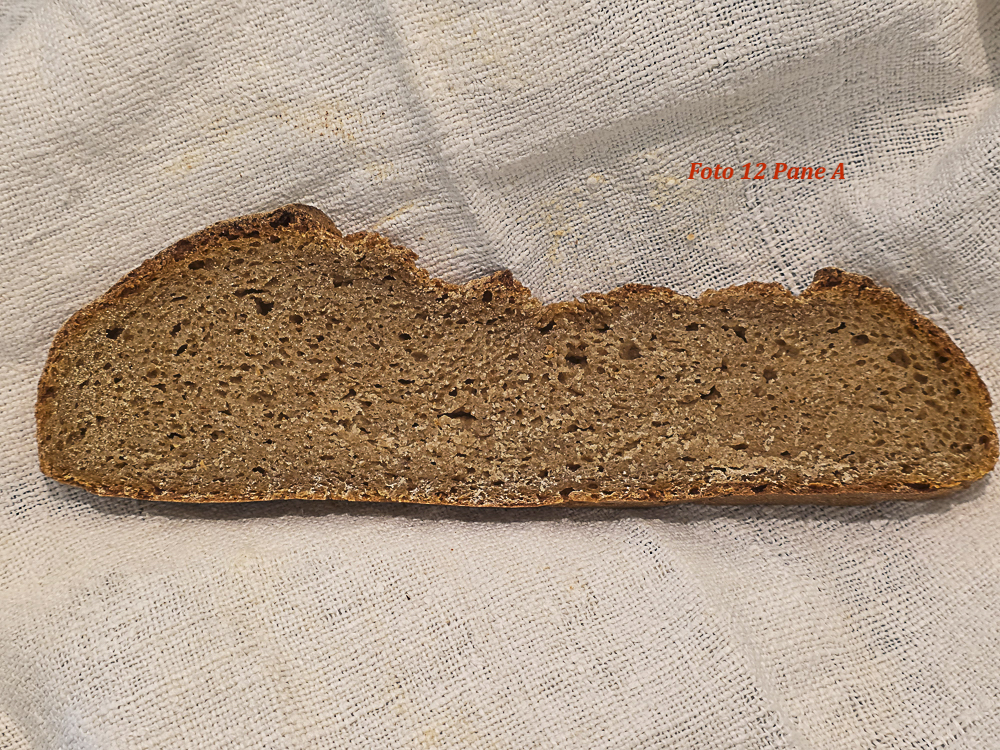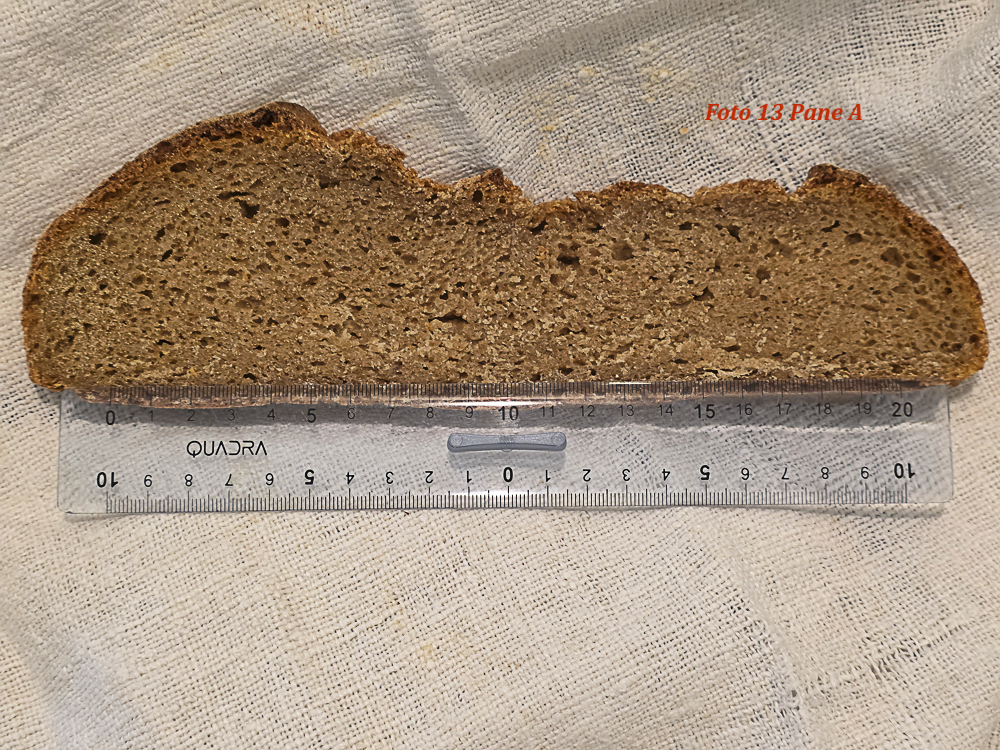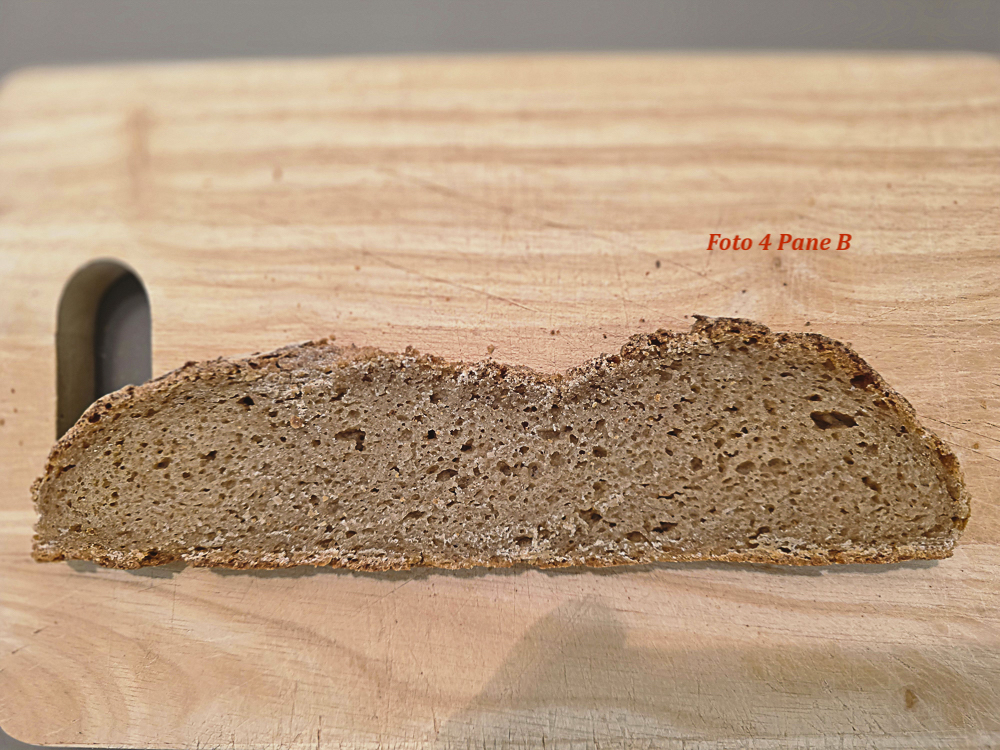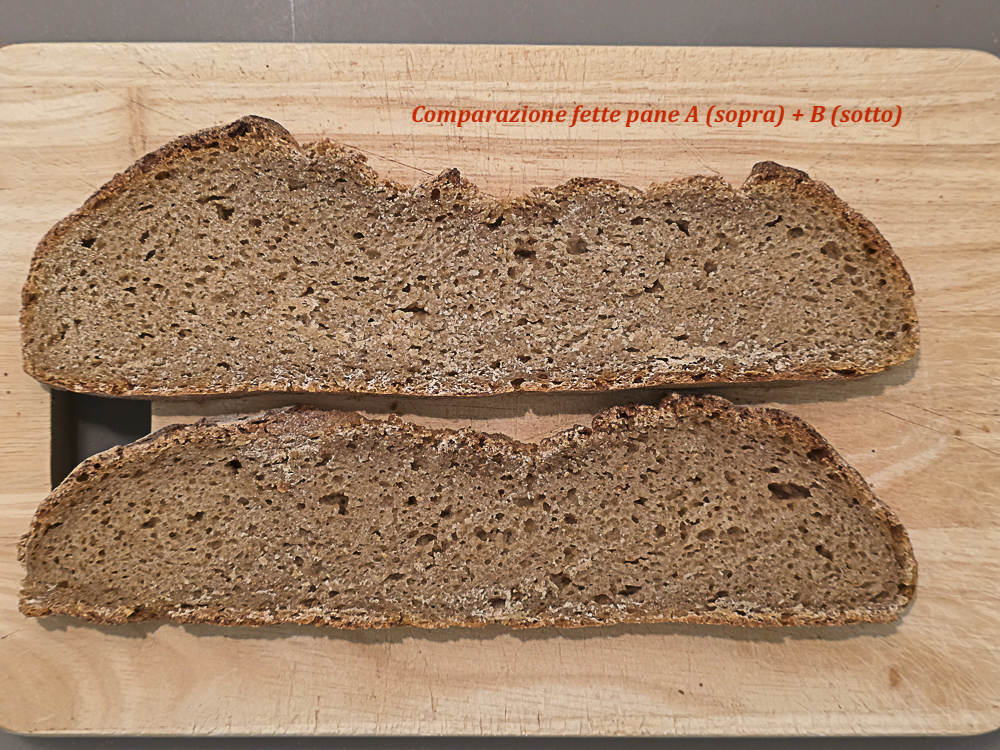
Riassunto
Le proteine di riserva del frumento che formano il glutine comprendono gliadine prevalentemente monomeriche e glutenine polimeriche. Le prime contribuiscono soprattutto alla viscosità e all’estensibilità dell’impasto; le seconde, attraverso polimeri stabilizzati da ponti disolfuro intermolecolari, sostengono elasticità, resistenza e stabilità. Il rapporto GLIA/GLUT — quantità di gliadine divisa per quantità di glutenine — è quindi un indicatore utile dell’equilibrio fra le due frazioni, ma non è una proprietà assoluta della specie: dipende da genotipo, ambiente, fertilizzazione, matrice e metodo analitico. Nei confronti eseguiti con procedure omogenee, il frumento tenero presenta in genere rapporti più bassi, mentre farro, frumento duro, farro dicocco e soprattutto monococco mostrano spesso rapporti più elevati. Nel più ampio dataset comparativo disponibile, basato su 15 cultivar per specie coltivate in quattro località, i valori osservati furono 1,6–3,8 nel frumento tenero, 2,3–4,8 nel farro, 2,1–7,5 nel duro, 3,0–11,1 nel dicocco e 3,7–12,1 nel monococco [3]. Questi intervalli descrivono quello specifico disegno sperimentale e non vanno trasformati in soglie universali. Sul piano tecnologico, un rapporto elevato è generalmente associato a impasti più morbidi ed estensibili, meno stabili e con minore capacità panificatoria; tuttavia il rapporto da solo non esaurisce la qualità. Contano anche quantità totale di proteine, composizione delle subunità HMW-GS e LMW-GS, dimensione dei polimeri, quota di glutenin macropolymer, distribuzione delle masse molecolari e interazioni con amido, lipidi, fibre ed enzimi [1–5]. Sul piano clinico, infine, GLIA/GLUT non misura la sicurezza per la celiachia né la digeribilità individuale: il monococco contiene sequenze capaci di attivare la risposta celiaca e non è idoneo a una dieta senza glutine [9– 11].
Che cosa sono gliadine e glutenine
Nel chicco di frumento le proteine si distinguono tradizionalmente in albumine, globuline, gliadine e glutenine in base alla solubilità. Gliadine e glutenine sono le principali proteine di riserva dell’endosperma e, dopo idratazione e impastamento, costituiscono la componente proteica del glutine [1].
1.1 Gliadine
Le gliadine sono per lo più proteine monomeriche, solubili in miscele idroalcoliche. In base a mobilità elettroforetica e sequenza vengono raggruppate soprattutto in α/β-, γ- e ω-gliadine. Molte α/β- e γ-gliadine possiedono ponti disolfuro intramolecolari, ma normalmente non costruiscono i grandi polimeri intermolecolari tipici delle glutenine. Nel sistema impasto agiscono prevalentemente come componenti viscose e plasticizzanti: favoriscono scorrimento ed estensibilità e riducono, entro certi limiti, la rigidità della rete [1,2].
1.1.1 Le sottoclassi non sono equivalenti
La classificazione α/β, γ e ω non è soltanto descrittiva: riflette differenze di sequenza, contenuto di zolfo, struttura e modalità d’interazione con la rete. Le funzioni non sono però rigide e isolate; ogni frazione comprende molte proteine e alleli, e l’effetto osservato dipende dalla farina nella quale viene inserita.
- α/β-gliadine: sono ricche di glutammina e prolina e possiedono normalmente sei cisteine, impegnate in tre ponti disolfuro intramolecolari. Non entrano stabilmente nel macropolimero gluteninico, ma partecipano a legami a idrogeno e interazioni idrofobiche. Negli esperimenti di aggiunta aumentano soprattutto mobilità ed estensibilità, con un effetto di indebolimento generalmente meno marcato di quello delle γ- e ω-gliadine [12,13].
- γ-gliadine: possiedono in genere otto cisteine e una struttura intramolecolare più ricca di ponti disolfuro. Restano prevalentemente monomeriche, ma interagiscono fortemente tramite legami non covalenti; durante la cottura alcune possono legarsi covalentemente alle glutenine attraverso reazioni di scambio sulfidrile-disolfuro. In prove controllate, la frazione γ ha prodotto la maggiore riduzione del tempo d’impastamento e della resistenza massima all’estensione, indicando un forte effetto di ammorbidimento e fluidificazione [12,14].
- ω-gliadine: sono molto ricche di glutammina e prolina, povere o prive di cisteina e quindi incapaci, salvo rare varianti, di formare ponti disolfuro. Dipendono soprattutto da legami a idrogeno e interazioni idrofobiche. Sono la frazione più tipicamente viscosa: riducono tenuta e altezza del pane e, in un’indagine del 2024 su 74 genotipi, la loro quota relativa è risultata positivamente associata all’adesività dell’impasto [13,15].
1.2 Glutenine
Le glutenine sono assemblate in polimeri mediante ponti disolfuro intermolecolari. Le loro subunità sono classificate in HMW-GS (high-molecular-weight glutenin subunits) e LMW-GS (low- molecular-weight glutenin subunits). Le HMW-GS rappresentano una quota quantitativamente minore, ma influenzano in modo rilevante dimensione e architettura dei polimeri; le LMW-GS sono più abbondanti e contribuiscono anch’esse alla rete. L’insieme conferisce resistenza alla deformazione, elasticità, capacità di recupero e stabilità all’impastamento [1,2].
1.3 Il glutine è un sistema: il ruolo centrale del glutenin macropolymer
Descrivere il glutine come semplice somma di gliadine e glutenine è utile ma incompleto. La proprietà decisiva non è soltanto quanta glutenina è presente, ma quanta parte di essa è organizzata in polimeri molto grandi e come tali polimeri sono connessi. La frazione di massimo interesse tecnologico viene indicata come glutenin macropolymer (GMP), macropolimero gluteninico, oppure — secondo il metodo di estrazione — come unextractable polymeric protein (UPP), proteina polimerica non estraibile in SDS senza un agente riducente. GMP e UPP non sono sinonimi analitici perfetti, ma descrivono entrambi la porzione più aggregata e meno solubile della rete gluteninica [2,16]. Il macropolimero si forma soprattutto mediante ponti disolfuro intermolecolari. Le HMW-GS funzionano come elementi di estensione e ramificazione dell’ossatura, mentre le LMW-GS, più numerose, ampliano e collegano la rete. Non si tratta di una maglia immobile: durante idratazione e impastamento ponti disolfuro, legami a idrogeno e interazioni idrofobiche si rompono e si riformano. L’energia meccanica orienta e avvicina le catene; lo scambio sulfidrile-disolfuro consente una redistribuzione dei collegamenti. Si sviluppa così una rete continua capace di deformarsi, immagazzinare energia elastica e recuperare parzialmente la forma. La quantità di GMP/UPP e la distribuzione delle dimensioni molecolari sono spesso più strettamente correlate a forza dell’impasto e volume del pane del contenuto proteico totale o del solo GLIA/GLUT. Se il polimero è abbondante, di grande massa e ben connesso, le pareti delle bolle resistono alla pressione dei gas. Se è scarso o depolimerizzato, l’impasto può contenere molte proteine ma comportarsi ugualmente come un sistema debole, viscoso e cedevole [2,16,17]. Le gliadine occupano gli spazi fra questi polimeri e ne modulano la mobilità. Acqua, amido, lipidi, arabinoxilani, fibre, sali, enzimi e stato redox modificano ulteriormente idratazione e contatti fra proteine. Due farine con lo stesso GLIA/GLUT possono quindi avere prestazioni diverse se differiscono per GMP/UPP, rapporto HMW-GS/LMW-GS, alleli presenti, distribuzione delle masse molecolari o quantità totale di proteine [2,4,5].
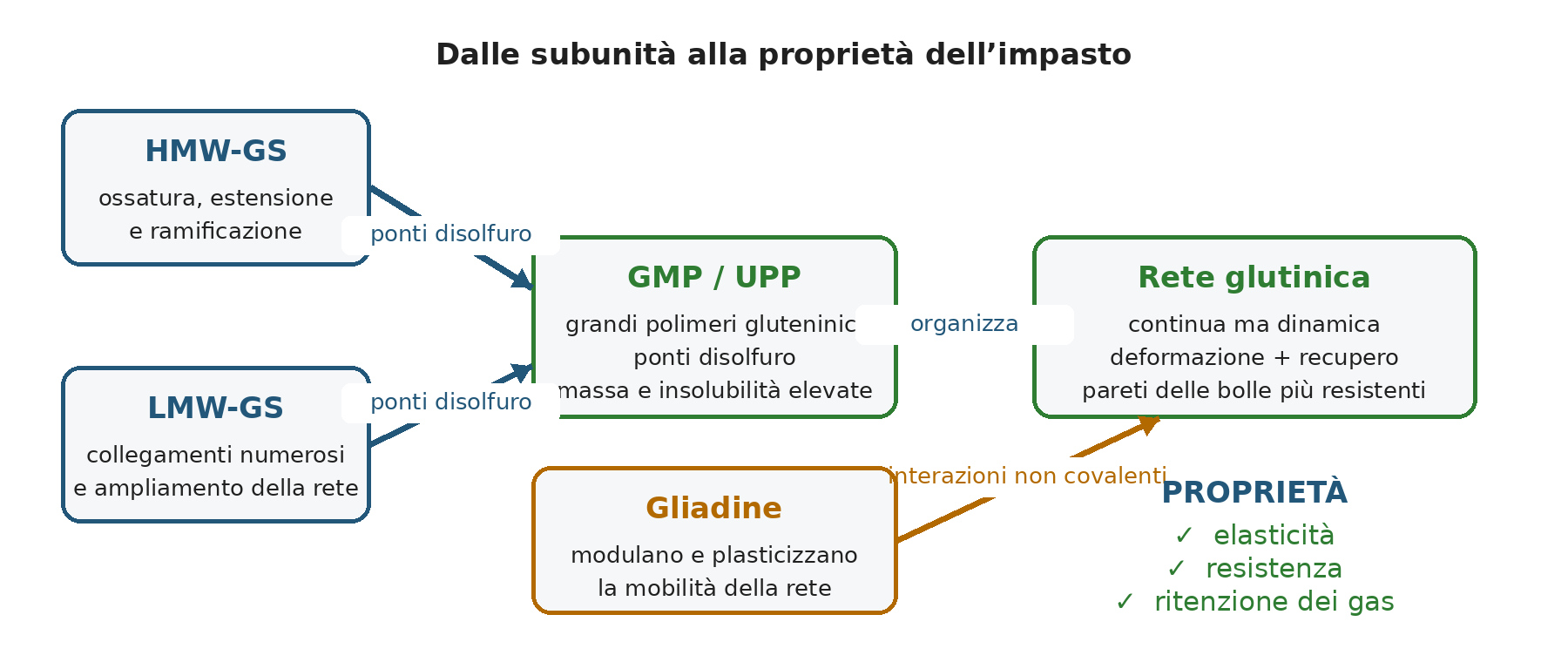
Figura 1 — Il macropolimero gluteninico come collegamento tra composizione proteica e proprietà dell’impasto.
Definizione e corretta interpretazione del rapporto GLIA/GLUT
Il rapporto è definito come: GLIA/GLUT = gliadine totali / glutenine totali Un valore 2 significa che, nel materiale quantificato con quel metodo, le gliadine sono due volte le glutenine. Se — e solo se — le due quantità sono espresse sulla stessa base e la loro somma rappresenta il glutine considerato, la quota relativa può essere ricavata matematicamente: quota gliadine = R / (1 + R); quota glutenine = 1 / (1 + R).
|
GLIA/GLUT (R) |
Gliadine sul totale GLIA + GLUT |
Glutenine sul totale GLIA + GLUT |
|
2,0 |
66,7% |
33,3% |
|
4,0 |
80,0% |
20,0% |
|
8,0 |
88,9% |
11,1% |
|
12,0 |
92,3% |
7,7% |
Queste percentuali non indicano la quota sul totale delle proteine della farina e non permettono di calcolare automaticamente le HMW-GS. Per farlo servirebbe conoscere anche la composizione interna della frazione gluteninica. Nel testo precedente questo passaggio veniva trattato come proporzionalità diretta: è una semplificazione non giustificata.
Confronto tra specie: che cosa mostrano davvero i dati
Il confronto più informativo è quello nel quale specie diverse sono coltivate e analizzate con lo stesso protocollo. Geisslitz e collaboratori hanno studiato 300 campioni: 15 cultivar per ciascuna di cinque specie, coltivate in quattro località nello stesso anno. Le farine erano integrali e le frazioni proteiche furono determinate con una procedura spettrofotometrica adattata e validata rispetto alla RP-HPLC [3].
|
Specie |
Ploidia / genoma |
Intervallo GLIA/GLUT osservato |
|
Frumento tenero (T. aestivum) |
esaploide, AABBDD |
1,6–3,8 |
|
Farro spelta (T. spelta) |
esaploide, AABBDD |
2,3–4,8 |
|
Frumento duro (T. durum) |
tetraploide, AABB |
2,1–7,5 |
|
Farro dicocco (T. dicoccum) |
tetraploide, AABB |
3,0–11,1 |
|
Monococco (T. monococcum) |
diploide, AA |
3,7–12,1 |
La tendenza è netta: nel medesimo disegno sperimentale il monococco si colloca generalmente verso valori più elevati, mentre il frumento tenero presenta valori più bassi. Gli intervalli, tuttavia, si sovrappongono. Non è quindi corretto attribuire a ciascuna specie un unico valore né dedurre la specie dal rapporto misurato [3]. Un precedente studio standardizzato su otto cultivar per specie, coltivate in un’unica località, aveva trovato rapporti medi indicativi di circa 2,6 nel frumento tenero, 3,5 nel farro, 5,2 nel dicocco e 8,0 nel monococco. Lo stesso studio mostrò che contenuto di glutenine, HMW-GS e glutenin macropolymer erano predittori del volume del pane più informativi del solo contenuto proteico [2].
3.1 Perché i valori non devono essere trasferiti senza cautela
- Il rapporto varia tra cultivar della stessa specie.
- Ambiente, temperatura, disponibilità idrica e azoto modificano accumulo e proporzioni delle frazioni.
- Farina bianca, semola, farina integrale, glutine isolato e granella intera non sono matrici equivalenti.
- Estrazione Osborne, RP-HPLC, SE-HPLC, LC-MS ed ELISA non misurano necessariamente le stesse popolazioni proteiche con la stessa resa.
- Anche calibranti, solubilizzazione delle glutenine e base di espressione del risultato possono cambiare il valore finale. Un confronto recente tra RP-HPLC ed ELISA su 80 farine di frumento tenero è istruttivo: la RP- HPLC fornì un intervallo GLIA/GLUT di 1,3–2,9 (mediana 2,0), mentre l’ELISA diede 0,8–7,5 (mediana 2,3); la correlazione fra i rapporti ottenuti con i due metodi fu debole [6]. Il rapporto deve dunque essere accompagnato da matrice, protocollo e unità di calcolo.
Perché il monococco tende ad avere un rapporto elevato
Il monococco possiede il solo genoma A. Il frumento duro possiede i genomi A e B; il frumento tenero A, B e D. Questa diversa architettura genomica significa che il monococco dispone di un solo locus omeologo Glu-1 per le HMW-GS, mentre i frumenti poliploidi possiedono loci sui diversi genomi. È corretto parlare di un numero minore di loci omeologhi disponibili, ma non di una necessaria “scarsa diversità” del locus Glu-A1: nelle popolazioni diploidi esiste un’ampia variabilità allelica [7]. La minore dotazione genomica non determina da sola il rapporto. Il fenotipo finale dipende dall’espressione degli alleli, dalla quantità relativa di gliadine e glutenine, dalla composizione HMW/LMW e dalla capacità di costruire polimeri di grandi dimensioni. Nei dataset comparativi il monococco presenta spesso meno glutenine, meno HMW-GS e meno glutenin macropolymer, coerentemente con impasti più morbidi e prestazioni panificatorie mediamente inferiori [2,3].
4.1 Le gliadine come plasticizzanti
Un plasticizzante è una molecola che, inserendosi fra catene polimeriche, ne aumenta la mobilità relativa e riduce la rigidità complessiva. Le gliadine svolgono una funzione analoga perché sono molecole relativamente compatte e prevalentemente monomeriche: non prolungano la rete mediante ponti disolfuro intermolecolari, ma si collocano fra i polimeri di glutenina e interagiscono con essi soprattutto attraverso legami a idrogeno e forze idrofobiche. In questo modo aumentano la distanza e la possibilità di scorrimento fra segmenti gluteninici, riducono la densità effettiva dei collegamenti elastici per unità di volume e facilitano la dissipazione dell’energia. A livello reologico diminuiscono tempo e lavoro necessari all’impastamento, resistenza all’estensione e stabilità, mentre aumentano deformabilità ed estensibilità. L’acqua coopera a questo effetto: idratando proteine e gruppi polari, scherma parte delle interazioni proteina-proteina e accresce ulteriormente la mobilità molecolare [4,5,12,13]. “Plasticizzante” non significa però sostanza inerte. Le diverse gliadine hanno struttura, idrofobicità e comportamento differenti; α/β- e γ-gliadine possono partecipare ad aggregazioni non covalenti e, in certe condizioni di cottura, a collegamenti con le glutenine. Il termine descrive quindi il loro effetto medio sul sistema, non una funzione identica per ogni molecola [12–14].
Conseguenze reologiche, adesività e qualità panificatoria
A parità delle altre condizioni, un aumento di GLIA/GLUT tende a spostare l’equilibrio dalla risposta elastica verso quella viscosa. Gli esperimenti nei quali gliadine e glutenine sono state aggiunte in proporzioni controllate mostrano che più glutenine aumentano tempo di impastamento e resistenza all’estensione e riducono l’estensibilità; più gliadine producono l’effetto opposto [4,5]. In termini pratici, un rapporto elevato è spesso associato a:
- sviluppo più rapido ma minore tolleranza all’impastamento prolungato;
- impasto più morbido, adesivo o cedevole;
- maggiore estensibilità e minore resistenza allo stiramento;
- minore capacità di stabilizzare le bolle di gas durante fermentazione e cottura;
- volume specifico del pane mediamente inferiore. Queste sono tendenze, non equivalenze automatiche. Il valore alveografico W non può essere previsto dal solo rapporto GLIA/GLUT. Idratazione, qualità delle subunità gluteniniche, polimerizzazione, danneggiamento dell’amido, fibre, attività enzimatica e processo di panificazione possono attenuare o amplificare il risultato. Inoltre, una farina meno adatta al pane ad alto volume può essere adatta a biscotti, prodotti a bassa lievitazione o formulazioni che valorizzano l’estensibilità.
5.1 Perché un impasto diventa adesivo
L’adesività — comunemente descritta come “appiccicosità” — è la tendenza dell’impasto ad aderire a mani, utensili o superfici. Non coincide semplicemente con l’estensibilità: un impasto può allungarsi senza aderire molto, oppure essere debole e adesivo. L’adesione aumenta quando, alla superficie, prevale una fase viscosa e mobile e la rete elastica interna non sviluppa sufficiente coesione per staccarsi in modo netto. Un elevato contenuto relativo di gliadine favorisce questa condizione perché accresce lo scorrimento molecolare e riduce la continuità del macropolimero gluteninico. La rete trattiene meno efficacemente l’acqua; aumenta la quota di acqua debolmente legata o facilmente redistribuibile e si forma uno strato superficiale più mobile. Anche sovraidratazione, proteolisi, attività amilasica, riduzione dei ponti disolfuro e sovraimpastamento possono produrre o aggravare lo stesso fenomeno
[17]. Quanto alle sottoclassi, i dati non permettono di dire che l’adesività sia “dovuta alle γ-gliadine”. Le γ-gliadine hanno mostrato un forte effetto di riduzione della resistenza e del tempo d’impastamento
[12]; tuttavia, nello studio comparativo più direttamente dedicato all’adesività, questa era correlata significativamente alle ω-gliadine e non alle α/β- o γ-gliadine [15]. La formulazione più corretta è quindi: le γ-gliadine possono contribuire all’ammorbidimento; una quota elevata di ω-gliadine sembra associarsi più direttamente all’adesività; il risultato finale dipende dall’equilibrio con glutenine, GMP e acqua.
5.2 Implicazioni pratiche per il monococco
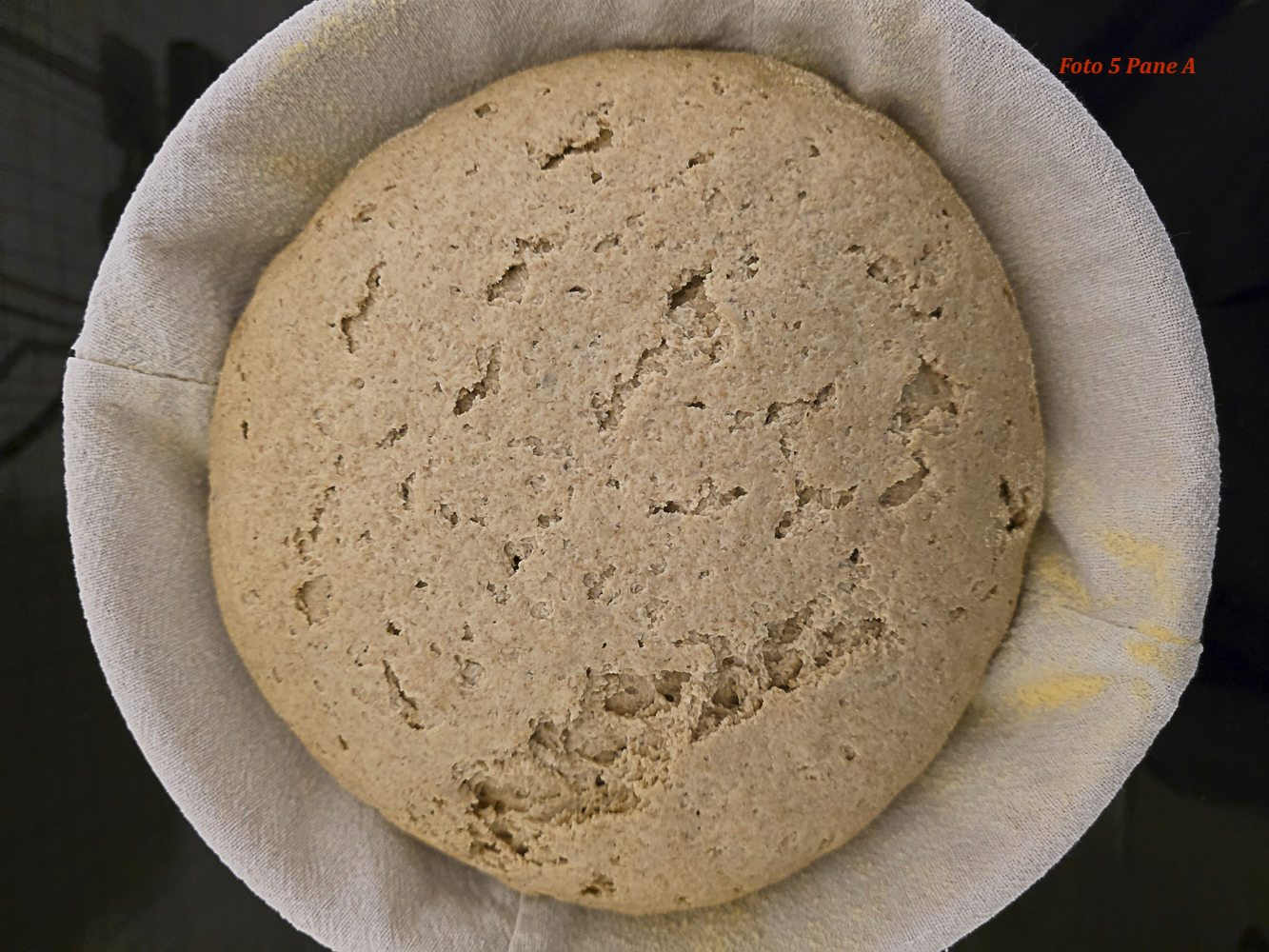
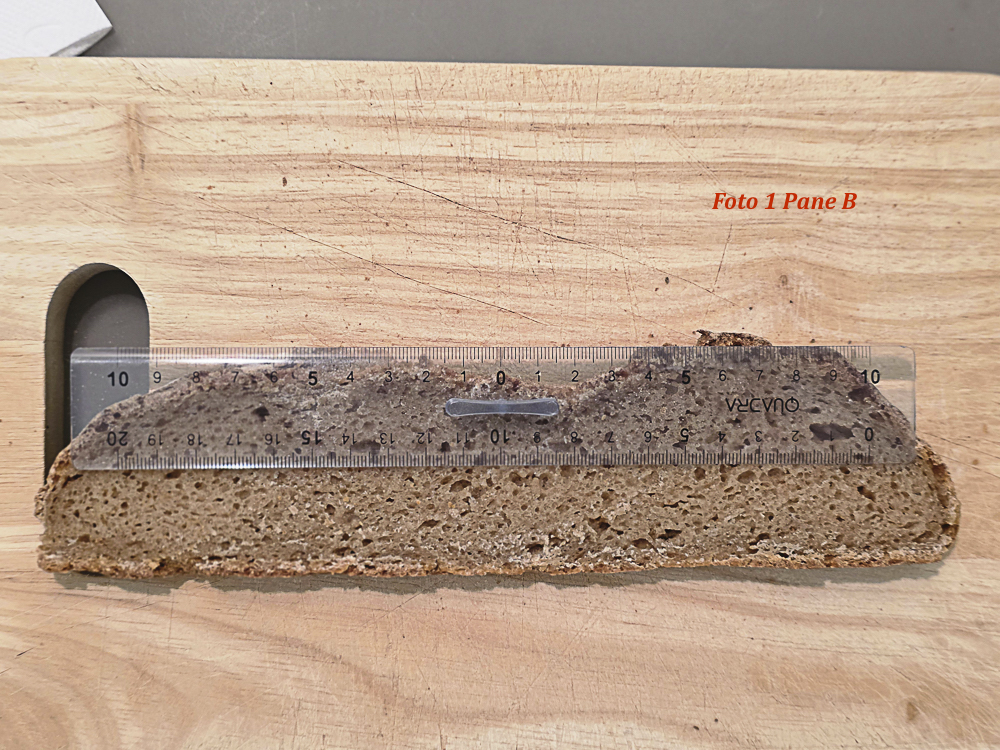
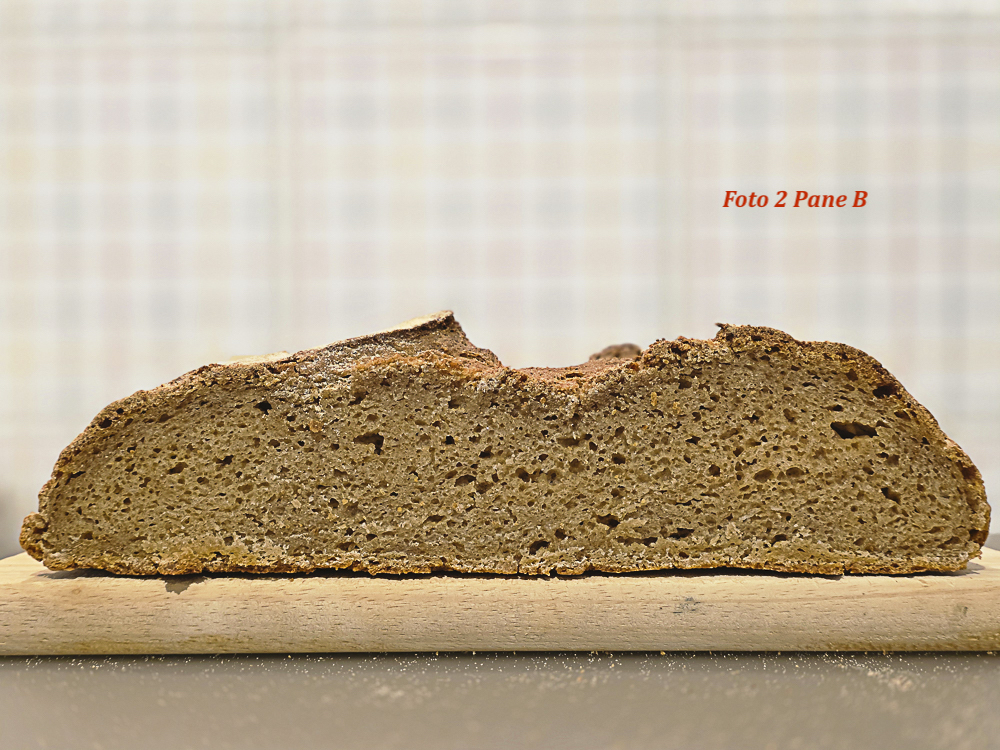
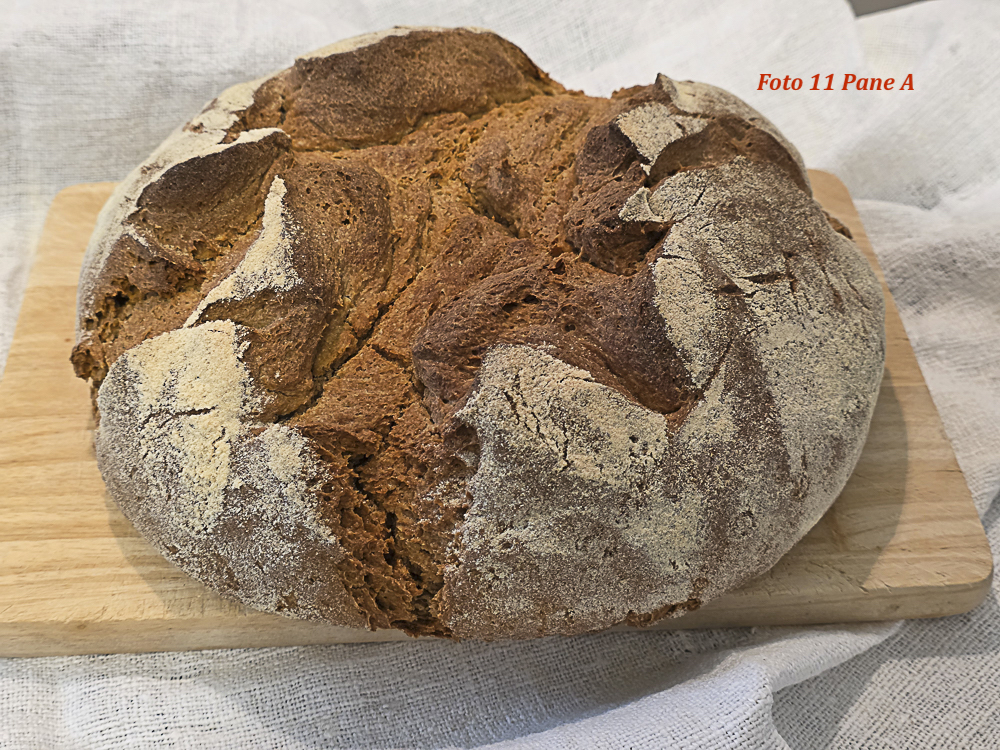
Il comportamento tipico del monococco — impasto estensibile ma fragile, ridotta tenuta in fermentazione e maggiore sensibilità alla sovralavorazione — è coerente con l’elevato GLIA/GLUT e la minore quota di polimeri gluteninici. Ciò aiuta a spiegare perché tecniche progettate per il frumento tenero forte non siano trasferibili automaticamente. Miscelazione meno aggressiva, controllo rigoroso dell’idratazione e della temperatura, acidificazione, tempi calibrati e formatura rispettosa della struttura possono diventare più importanti della ricerca di una lunga lavorazione meccanica.
Farina integrale e farina raffinata: ciò che si può affermare
Nel documento precedente si affermava che la farina integrale aumenterebbe leggermente GLIA/GLUT per una maggiore presenza di gliadine negli strati periferici, una concentrazione delle
HMW-GS nel centro dell’endosperma e una frammentazione enzimatica dei polimeri. Queste spiegazioni, presentate come meccanismo generale, non sono adeguatamente sostenute dai dati citati. L’inclusione di crusca e germe aumenta proteine non gluteniche, fibre, lipidi ed enzimi e modifica certamente il comportamento dell’impasto. Non segue però che debba aumentare in modo sistematico il rapporto fra gliadine e glutenine estratte. L’esito dipende dalla distribuzione spaziale delle frazioni, dal grado di macinazione, dall’efficienza di estrazione e dalla base analitica. Un’eventuale proteolisi durante conservazione o impasto può modificare la dimensione dei polimeri senza trasformare automaticamente glutenine in gliadine. La conclusione metodologicamente corretta è più sobria: dati ottenuti su farine integrali non vanno confrontati direttamente con dati su farine bianche o semole senza uno studio che utilizzi lo stesso genotipo, la stessa coltivazione e lo stesso metodo. Le differenze di matrice possono alterare recupero e quantificazione; non esiste una correzione universale.
Fertilizzazione azotata: può aumentare anche la forza?
L’azoto aumenta generalmente il contenuto proteico, ma gli effetti sulle singole frazioni non sono costanti. In numerosi esperimenti le gliadine rispondono più marcatamente, con un possibile aumento di GLIA/GLUT; in altri casi la risposta dipende da cultivar, dose, momento di applicazione e condizioni di crescita. Una revisione quantitativa della chimica delle proteine del glutine riporta, in uno specifico confronto, un incremento medio del rapporto di circa il 4,6% con alto apporto di azoto, non una variazione di ordine multiplo [8]. I valori molto bassi attribuiti nel documento precedente al frumento duro “a basso” e “ad alto azoto” non erano confrontabili con gli altri intervalli e non devono essere usati per sostenere una regola generale. Se il metodo, la matrice o perfino l’orientamento del rapporto (GLIA/GLUT oppure GLUT/GLIA) cambiano, numeri apparentemente simili possono significare cose diverse. Esistono però studi nei quali la concimazione azotata ha aumentato non solo la quantità di proteine, ma anche la forza tecnologica. In un esperimento triennale su frumento tenero in Italia, l’azoto tardivo alla spigatura aumentò il contenuto proteico di 1,2 punti percentuali e il valore alveografico W del 22%; tutte le frazioni del glutine aumentarono in misura simile, senza una variazione significativa dei loro rapporti relativi [18]. In questo caso la maggiore forza derivava soprattutto dalla maggiore quantità complessiva di proteine funzionali. In linee quasi isogeniche trattate con 0–120 kg N/ha alla levata, l’azoto aumentò glutenine, HMW- GS, concentrazione di ponti disolfuro e comparsa del GMP durante il riempimento della cariosside. Aumentarono anche tempo di sviluppo, stabilità e resistenza massima dell’impasto; l’entità della risposta dipendeva però dall’allele Glu-D1 [19]. Un altro studio ha osservato che l’applicazione congiunta di azoto e zolfo all’antesi accresceva proteine polimeriche, massa molecolare, compattezza, forza e consistenza [20]. La conclusione è dunque articolata: sì, l’azoto può aumentare la forza, attraverso più proteina totale e, in alcune condizioni, più glutenine e maggiore polimerizzazione. Ma non è un effetto garantito. Se l’azoto favorisce soprattutto le gliadine, se manca zolfo per sintetizzare proteine ricche di cisteina, o se genotipo e clima orientano diversamente l’accumulo, il rapporto può aumentare senza un corrispondente miglioramento della rete. Dose eccessiva, allettamento, resa, epoca di applicazione e impatto ambientale impediscono inoltre di trasformare il dato tecnologico in una raccomandazione agronomica generale.
Rapporto GLIA/GLUT e implicazioni biologiche: piani distinti
Il rapporto GLIA/GLUT è nato come descrittore compositivo e tecnologico. Non è un indice clinico di tossicità celiaca, di allergenicità o di tollerabilità nella sensibilità al frumento non celiaca.
8.1 Celiachia
Nella celiachia, peptidi ricchi in prolina e glutammina resistono parzialmente alla digestione; la transglutaminasi tissutale 2 deamida specifici residui di glutammina, aumentando l’affinità di alcuni
peptidi per HLA-DQ2 o HLA-DQ8 e favorendo l’attivazione dei linfociti T. Gli epitopi clinicamente rilevanti non sono confinati a una sola frazione: sono stati descritti nelle α-, γ- e ω-gliadine e anche in glutenine [9–11]. Il monococco può mostrare profili peptidici differenti e, in alcuni esperimenti ex vivo, rilasciare meno peptidi immunogenici rispetto ad altri frumenti. Questo non lo rende sicuro: cataloghi delle sequenze e studi di digestione dimostrano che possiede il potenziale per attivare la celiachia. Deve pertanto essere escluso dalla dieta del paziente celiaco [9–11].
8.2 Che cosa implica la struttura secondaria delle proteine
Le catene proteiche non sono fili privi di forma. Tratti locali assumono α-eliche, β-foglietti, β-turn o conformazioni disordinate; queste strutture determinano quanto le catene possono avvicinarsi, formare legami a idrogeno, esporre gruppi idrofobici e partecipare ad aggregati. Nei β-foglietti, segmenti affiancati sono stabilizzati da una rete ordinata di legami a idrogeno; un loro aumento può accompagnare aggregazione e maggiore coesione. Le α-eliche sono strutture più compatte intramolecolari; le regioni disordinate offrono maggiore flessibilità e accessibilità. Durante l’impastamento la conformazione cambia: uno studio FTIR ha osservato aumenti coordinati di α-elica, β-turn e β-sheet e una riduzione della random coil fino al punto di consistenza ottimale. Questo indica un progressivo ordinamento delle proteine mentre si forma la rete [21]. La relazione non è però univoca: un aumento dei β-sheet può comparire sia in una rete più aggregata e resistente, sia dopo depolimerizzazione indotta da agenti riducenti. Per interpretarlo occorre conoscere contemporaneamente ponti disolfuro, massa molecolare dei polimeri, idratazione e proprietà reologiche [17,22]. La struttura secondaria ha quindi implicazioni concrete per: capacità di aggregazione; stabilità termica; ritenzione e mobilità dell’acqua; elasticità e viscosità; accessibilità agli enzimi digestivi; modificazioni durante impastamento, fermentazione e cottura. Non costituisce però, da sola, un indice di qualità o di digeribilità: è una parte del meccanismo strutturale e deve essere letta insieme all’organizzazione del GMP e alle interazioni non covalenti.
8.3 Sensibilità non celiaca e tolleranza individuale
“Il grano monococco viene frequentemente impiegato da soggetti con sensibilità al glutine non celiaca (NCGS), pur in assenza di evidenze cliniche definitive e validate su larga scala, ferme restando le specifiche intolleranze individuali accertate in sede clinica.
Sotto il profilo della ricerca, la carenza di studi clinici strutturati si lega a dinamiche di sostenibilità economica: i finanziamenti privati tendono a concentrarsi su asset industriali proprietari, mentre le istituzioni pubbliche, vincolate da risorse limitate, danno priorità ad aree sanitarie a maggiore impatto epidemiologico.
Ciononostante, l’attuale e diffuso consumo di questa varietà funge da indicatore empirico sul territorio: un’eventuale incidenza significativa di reazioni avverse verrebbe prontamente intercettata ed evidenziata dai canali della sorveglianza sanitaria attiva, attraverso la pratica quotidiana di medici di medicina generale, gastroenterologi e nutrizionisti.”
Come usare correttamente il rapporto GLIA/GLUT
Il rapporto è informativo quando viene usato all’interno di un confronto controllato. Per interpretarlo servono almeno:
- specie e cultivar;
- anno e ambiente di coltivazione;
- tipo di campione: granella, farina integrale, farina raffinata, semola o glutine isolato;
- protocollo di estrazione e tecnica di quantificazione;
- definizione esatta delle frazioni incluse;
- contenuto proteico totale e contenuti assoluti di gliadine e glutenine;
- se l’obiettivo è tecnologico, HMW-GS, LMW-GS, glutenin macropolymer e una misura reologica o di panificazione. Il rapporto è molto meno informativo quando viene isolato dal metodo oppure trasformato in indicatore sanitario. Due errori da evitare sono: confrontare numeri prodotti con tecniche differenti come se appartenessero alla stessa scala; e interpretare “meno glutenine” come “meno glutine” o “meno immunogenicità”.
Conclusioni
- Il glutine è formato soprattutto da gliadine monomeriche e glutenine polimeriche, con funzioni reologiche complementari.
- Un GLIA/GLUT elevato segnala una prevalenza relativa delle gliadine, ma il suo valore dipende da genotipo, ambiente, matrice e metodo.
- Nei confronti standardizzati il monococco presenta spesso i rapporti più elevati e minori quantità di glutenine, HMW-GS e macropolimeri gluteninici.
- Questa composizione contribuisce a impasti più estensibili, meno elastici e meno stabili, ma non determina da sola tutta la prestazione panificatoria.
- La ploidia aiuta a comprendere l’architettura dei loci, ma non autorizza a descrivere il monococco come geneticamente poco variabile.
- Non è dimostrato che la farina integrale aumenti universalmente GLIA/GLUT; confronti tra matrici diverse richiedono protocolli omogenei.
- GLIA/GLUT non è un indice di sicurezza clinica. Il monococco contiene glutine e non è adatto alle persone con celiachia.
- L’adesività non è attribuibile a una sola gliadina: le γ-gliadine possono ammorbidire la rete, mentre le ω-gliadine mostrano l’associazione più diretta con l’adesività nei dati disponibili.
- La concimazione azotata può aumentare la forza dell’impasto, ma l’effetto dipende da genotipo, zolfo, ambiente, dose ed epoca di applicazione.
- La struttura secondaria condiziona aggregazione, acqua e reologia, ma va interpretata insieme a ponti disolfuro e dimensione dei polimeri.
Nota finale — Quale struttura glutinica è più adatta a pane, pasta e pizza?
Non esiste una composizione del glutine migliore in assoluto. La qualità funzionale dipende dal prodotto e dal processo: il pane richiede soprattutto sviluppo e ritenzione dei gas; la pasta secca deve conservare una matrice proteica compatta durante cottura; la pizza deve combinare tenuta in fermentazione e facilità di stesura. Quantità proteica, GLIA/GLUT, HMW-GS, LMW-GS, GMP/UPP e interazioni con amido e acqua devono quindi essere valutati insieme.
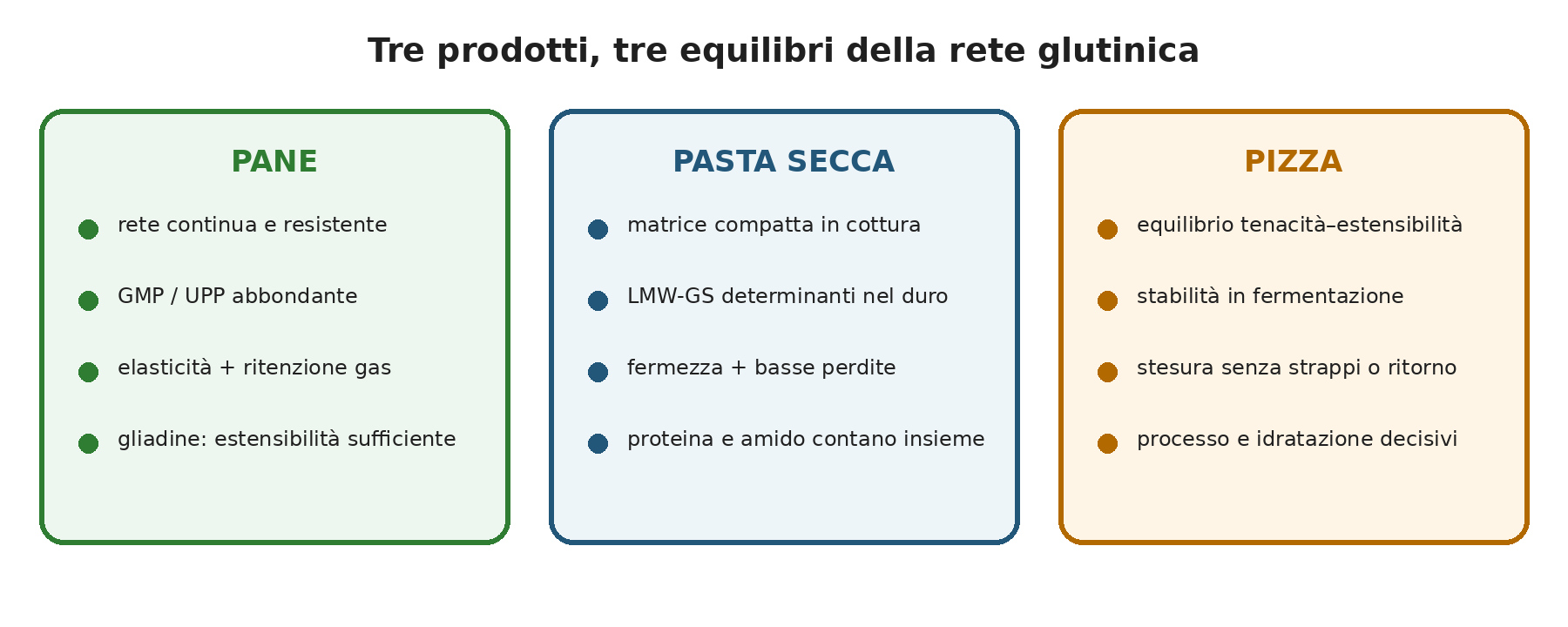
Figura 2 — La struttura glutinica desiderabile cambia in funzione del prodotto e del processo.
Pane lievitato
- Assetto desiderabile: quota relativamente elevata di glutenine e di proteine polimeriche non estraibili, GMP/UPP abbondante e distribuzione orientata verso grandi masse molecolari.
- Subunità: HMW-GS capaci di sostenere polimeri lunghi e ramificati sono particolarmente importanti; nel frumento tenero alcune combinazioni, come 5+10 al locus Glu-D1, sono spesso
associate a impasti forti, ma l’effetto dipende dal fondo genetico e dall’equilibrio con le LMW- GS [4,12].
- Funzione: elevata elasticità, stabilità all’impastamento, resistenza all’estensione e capacità di trattenere le bolle fino alla cottura. A parità di proteina, aumentare glutenine/gliadine tende ad accrescere forza e volume del pane ma a ridurre l’estensibilità [23].
- Limite: una rete eccessivamente tenace richiede più energia, si espande con difficoltà e può produrre un impasto poco estensibile; serve quindi una quota di gliadine sufficiente a plasticizzare la rete.
Pasta secca di semola di frumento duro
- Assetto desiderabile: quantità proteica adeguata e rete continua, compatta e poco permeabile, capace di inglobare i granuli di amido e limitarne il rilascio nell’acqua di cottura.
- Subunità: nel duro la variabilità delle LMW-GS, soprattutto al locus Glu-B3, è spesso più determinante della sola quota di HMW-GS. Il modello LMW-2 è generalmente associato a glutine più forte rispetto a LMW-1. La γ-gliadina 45 è soprattutto un marcatore genetico collegato a LMW-2, mentre γ-42 è collegata più spesso a LMW-1; non è la γ-gliadina, da sola, a determinare la qualità [24].
- Funzione: buona fermezza, minore adesività superficiale e minori perdite di solidi in cottura. Studi recenti mostrano tuttavia che, entro intervalli commerciali, il contenuto proteico può contare più della forza e che il vantaggio del glutine forte emerge soprattutto con sovracottura o semole deboli [25].
- Limite: aumentare indiscriminatamente HMW-GS o forza non garantisce pasta più ferma; gli effetti dipendono da genotipo, quantità proteica, amido e temperatura di essiccazione [24,25].
Pizza
- Assetto desiderabile: equilibrio intermedio fra rete gluteninica e plasticizzazione gliadinica. L’impasto deve trattenere gas durante la fermentazione ma anche stendersi in un disco sottile senza lacerarsi né ritirarsi eccessivamente.
- Subunità e polimeri: servono GMP/UPP e HMW-GS sufficienti a sostenere idratazione, fermentazione e condimento; una quota eccessiva di polimeri molto grandi o un rapporto glutenine/gliadine troppo alto può aumentare tenacità e ritorno elastico. Le gliadine, entro un rapporto equilibrato, facilitano stesura ed espansione in forno.
- Processo: una pizza a lunga maturazione, molto idratata o cotta in teglia richiede in genere maggiore stabilità rispetto a una pizza sottile con fermentazione breve. Per questo la composizione ottimale non può essere separata da durata, temperatura, acidificazione, proteolisi, idratazione e modalità di cottura.
- Limite: il valore W, il contenuto proteico o GLIA/GLUT, considerati singolarmente, non identificano la farina ideale. Gli studi sulle pizze napoletane confermano l’utilità di combinare parametri alveografici, chimici e fermentativi [26].
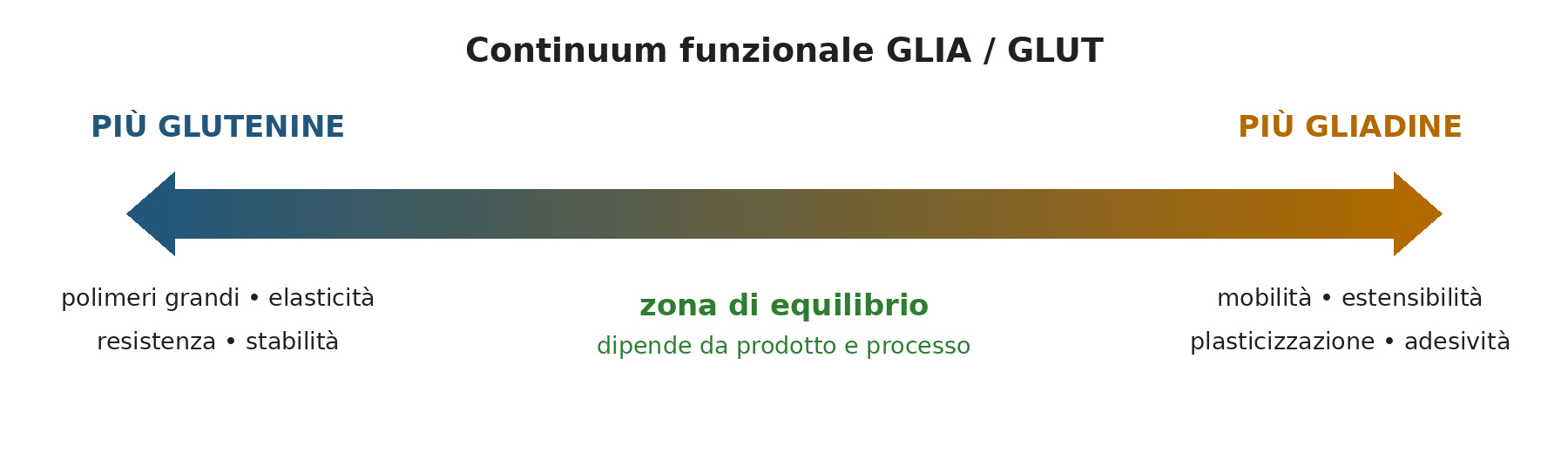
Figura 3 — Il rapporto fra le due famiglie proteiche descrive un continuum, non due categorie rigide.
Per la pasta fresca all’uovo o laminata il requisito cambia ancora: una tenacità eccessiva può ostacolare la sfogliatura. La nota relativa alla pasta si riferisce quindi principalmente alla pasta secca di semola di frumento duro.
Bibliografia
[1] Wieser H. Chemistry of gluten proteins. Food Microbiology. 2007;24(2):115–119. doi:10.1016/j.fm.2006.07.004.
[2] Geisslitz S, Wieser H, Scherf KA, Koehler P. Gluten protein composition and aggregation properties as predictors for bread volume of common wheat, spelt, durum wheat, emmer and einkorn. Journal of Cereal Science. 2018;83:204–212. doi:10.1016/j.jcs.2018.08.012.
[3] Geisslitz S, Longin CFH, Scherf KA, Koehler P. Comparative study on gluten protein composition of ancient (einkorn, emmer and spelt) and modern wheat species (durum and common wheat). Foods. 2019;8(9):409. doi:10.3390/foods8090409.
[4] Dhaka V, Khatkar BS. Effects of gliadin/glutenin and HMW-GS/LMW-GS ratio on dough rheological properties and bread-making potential of wheat varieties. Journal of Food Quality. 2015;38(2):71–82. doi:10.1111/jfq.12122.
[5] Barak S, Mudgil D, Khatkar BS. Relationship of gliadin and glutenin proteins with dough rheology, flour pasting and bread making performance of wheat varieties. LWT – Food Science and Technology. 2013;51(1):211–217. doi:10.1016/j.lwt.2012.09.011.
[6] Scherf KA, et al. Rapid analysis of wheat gluten composition using a triple ELISA. Journal of the Science of Food and Agriculture. 2024. doi:10.1002/jsfa.13521.
[7] Payne PI. Genetics of wheat storage proteins and the effect of allelic variation on bread-making quality. Annual Review of Plant Physiology. 1987;38:141–153. doi:10.1146/annurev.pp.38.060187.001041.
[8] Wieser H, Koehler P, Scherf KA. Chemistry of wheat gluten proteins: quantitative composition. Cereal Chemistry. 2023;100:9–22. doi:10.1002/cche.10553.
[9] Ozuna CV, Iehisa JCM, Giménez MJ, Alvarez JB, Sousa C, Barro F. Diversification of the celiac disease α-gliadin complex in wheat: a 33-mer peptide with six overlapping epitopes, evolved following polyploidization. The Plant Journal. 2015;82(5):794–805. doi:10.1111/tpj.12851.
[10] Vaccino P, Becker HA, Brandolini A, Salamini F, Kilian B. A catalogue of Triticum monococcum genes encoding toxic and immunogenic peptides for celiac disease patients. Molecular Genetics and Genomics. 2009;281:289–300. doi:10.1007/s00438-008-0412-8.
[11] Asledottir T, Rehman R, Mamone G, et al. Ancestral wheat types release fewer celiac disease related T-cell epitopes than common wheat upon ex vivo human gastrointestinal digestion. Foods. 2020;9(9):1173. doi:10.3390/foods9091173.
[12] Khatkar BS, Fido RJ, Tatham AS, Schofield JD. Functional properties of wheat gliadins. I. Effects on mixing characteristics and bread making quality. Journal of Cereal Science. 2002;35(3):299–306. doi:10.1006/jcrs.2001.0429.
[13] Khatkar BS, Barak S, Mudgil D. Effects of gliadin fractions on functional properties of wheat dough depending on molecular size and hydrophobicity. Cereal Chemistry. 2001;78(2):138–141. doi:10.1094/CCHEM.2001.78.2.138.
[14] Khatkar BS, Fido RJ, Tatham AS, Schofield JD. Functional properties of wheat gliadins. II. Effects on dynamic rheological properties of wheat gluten. Journal of Cereal Science. 2002;35(3):307–313. doi:10.1006/jcrs.2001.0430.
[15] Gao X, et al. Relationship between dough stickiness and wheat gliadin composition based on RP-HPLC. Journal of Henan Agricultural Sciences. 2024;53(6):11–17. doi:10.15933/j.cnki.1004-3268.2024.06.002.
[16] Gupta RB, Khan K, MacRitchie F. Biochemical basis of flour properties in bread wheats. I. Effects of variation in the quantity and size distribution of polymeric protein. Journal of Cereal Science. 1993;18(1):23–41. doi:10.1006/jcrs.1993.1031.
[17] Guo L, Fang F, Zhang Y, Xu D, Jin Z, Xu X. Glutathione affects rheology and water distribution of wheat dough by changing gluten conformation and protein depolymerisation. International Journal of Food Science & Technology. 2021;56(7):3157–3165. doi:10.1111/ijfs.14806.
[18] Blandino M, et al. Effect of nitrogen fertilization and fungicide application at heading on the gluten protein composition and rheological quality of wheat. Agronomy. 2021;11(9):1687. doi:10.3390/agronomy11091687.
[19] Xue C, et al. Effects of nitrogen application in the wheat booting stage on glutenin polymerization and structural–thermal properties of gluten with variations in HMW-GS at the Glu-D1 locus. Foods. 2020;9(3):353. doi:10.3390/foods9030353.
[20] Tea I, Genter T, Naulet N, Boyer V, Lummerzheim M, Kleiber D. Effect of foliar sulfur and nitrogen fertilization on wheat storage protein composition and dough mixing properties. Cereal Chemistry. 2004;81(6):759–766. doi:10.1094/CCHEM.2004.81.6.759.
[21] Seabourn BW, Chung OK, Seib PA, Mathewson PR. Determination of secondary structural changes in gluten proteins during mixing using Fourier transform horizontal attenuated total reflectance spectroscopy. Journal of Agricultural and Food Chemistry. 2008;56(11):4236–4243. doi:10.1021/jf703569b.
[22] Mejri M, Rogé B, BenSouissi A, et al. Effects of catechins on the polymerisation behaviour, conformation and viscoelasticity of wheat gluten. International Journal of Food Science & Technology. 2021;56(2):753–761. doi:10.1111/ijfs.14719.
[23] Uthayakumaran S, Gras PW, Stoddard FL, Bekes F. Effect of varying protein content and glutenin-to-gliadin ratio on the functional properties of wheat dough. Cereal Chemistry. 1999;76(3):389–394. doi:10.1094/CCHEM.1999.76.3.389.
[24] Rao VS, Bhosale SB. Relationship between gluten strength and pasta firmness in Indian durum wheats. International Journal of Food Science & Technology. 2006;41(5):538–544. doi:10.1111/j.1365-2621.2005.01103.x.
[25] Wang K, Sissons M, Fu BX. Unveiling the impact of durum wheat protein quantity and quality on textural properties and microstructure of cooked pasta. Cereal Chemistry. 2023;100:765–778. doi:10.1002/cche.10627.
[26] Formato A, Pepe O. Pizza dough differentiation by principal component analysis of alveographic, microbiological, and chemical parameters. Cereal Chemistry. 2005;82(4):356–360. doi:10.1094/CC-82-0356.