Header Image - Gluten Light

luciano

Monococcus wheat (einkorn wheat): why it is so important

by luciano

Summary of the main characteristics of the monococcus wheat (einkorn) which give it great potential to be used for the preparation of bakery products but also sweet ones for people who:
1. are genetically predisposed for celiac disease (but non safe for celiac people) (1) (2) (3) (4) (5),
2. must keep the glycemic index under control (6),
3. non-celiac gluten sensitive, reintroduce gluten after its exclusion (7),
4. have difficulty digesting gluten (8).
5. are sensitive to ATI -amylase trypsina inhibitors- (9),
Furthermore, the high nutritional qualities of einkorn wheat should be highlighted (10) (11).
(1) ………..omissis. “Conclusions: Our data show that the monococcum lines Monlis and ID331 activate the CD T cell response and suggest that these lines are toxic for celiac patients. However, ID331 is likely to be less effective in inducing CD because of its inability to activate the innate immune pathways”. Immunogenicity of monococcum wheat in celiac patients. Carmen Gianfrani et altri. Am J Clin Nutr 2012;96:1339–45.

(2) ………omissis. “D’altra parte, tenuto conto che l’incidenza e la gravità della celiachia dipende dalla quantità e dalla nocività delle prolamine e che alcuni genotipi di grano monococco hanno una elevata qualità panificatoria accoppiata con assenza di citotossicità e ridotta immunogenicità, è atteso che l’uso delle farine di monococco nella dieta della popolazione generale, all’interno della quale si trova una elevata percentuale di individui predisposti geneticamente alla celiachia ma non ancora celiaci, possa contribuire a contenere la diffusione di questa forma di intolleranza alimentare. Ciò lascia pensare che il grano monococco, riportato recentemente in coltivazione in Italia dai ricercatori del Consiglio per la Ricerca e la sperimentazione in Agricoltura (CRA) di Roma e San Angelo Lodigiano, potrà svolgere un ruolo importante nella prevenzione della celiachia, sia direttamente sotto forma di pane e pasta sia indirettamente come specie modello per lo studio del ruolo dell’immunità innata nell’insorgenza della celiachia”. Le nuove frontiere delle tecnologie alimentari e la celiachia Norberto Pogna, Laura Gazza (2013).

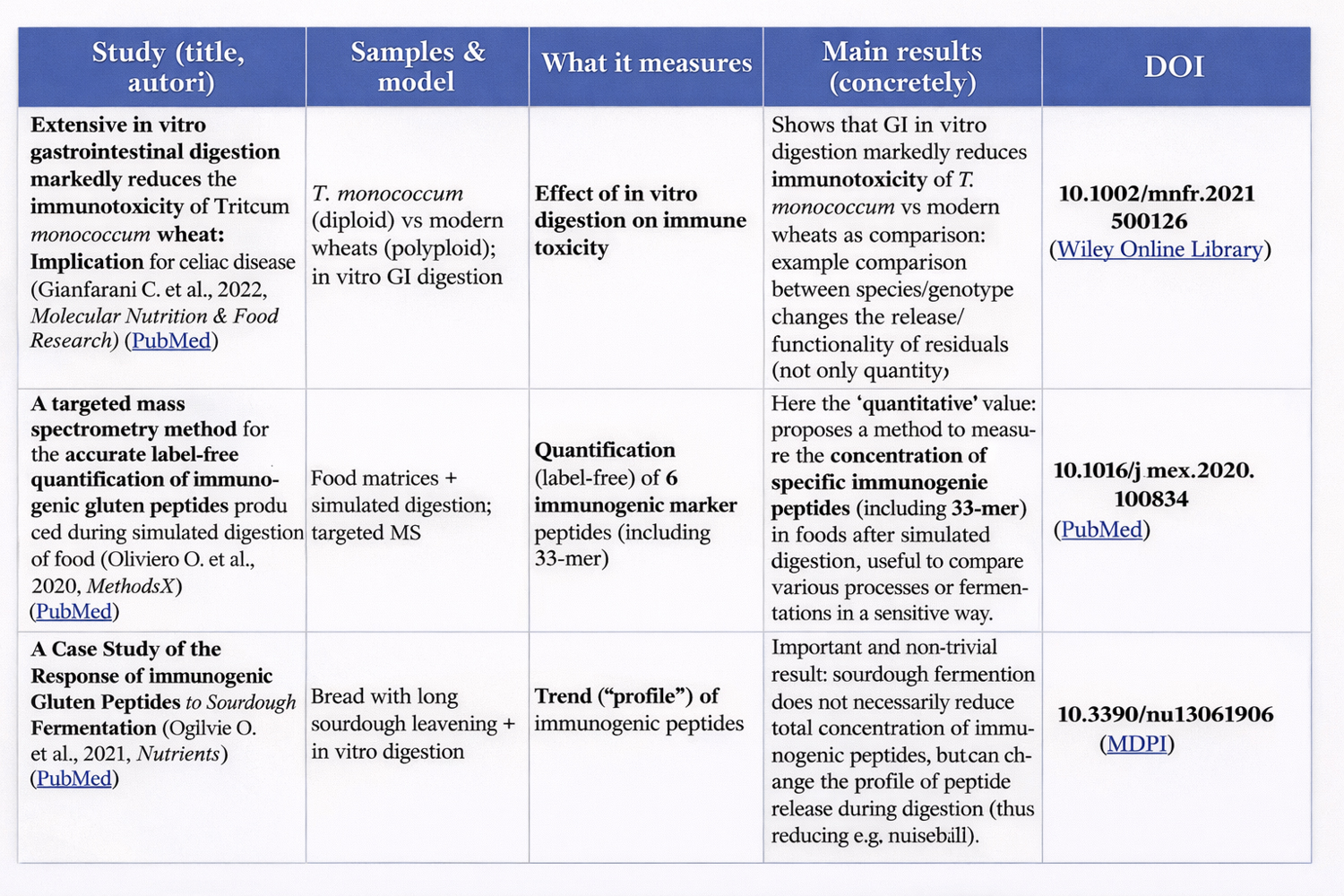
(3)-Extensive in vitro gastrointestinal digestion markedly reduces the immune-toxicity of Triticum monococcum wheat: Implication for celiac disease
Carmen Gianfrani, Alessandra Camarca, Giuseppe Mazzarella, Luigia Di Stasio, Nicola Giardullo, Pasquale Ferranti, Gianluca Picariello, Vera Rotondi Aufiero, Stefania Picascia, Riccardo Troncone, Norberto Pogna, Salvatore Auricchio
and Gianfranco Mamone. Mol. Nutr. Food Res. 2015, 00, 1–11
Scope: The ancient diploid Triticum monococcum is of special interest as a candidate low-toxic wheat species for celiac disease patients. Here, we investigated how an in vitro gastro-intestinal digestion, affected the immune toxic properties of gliadin from diploid compared to hexaploid wheat.
Method and results: Gliadins from Triticum monococcum, and Triticum aestivum cultivars were digested using either a partial proteolysis with pepsin-chymotrypsin, or an extensive degradation that used gastrointestinal enzymes including the brush border membrane enzymes. The immune stimulatory properties of the digested samples were investigated on T-cell lines and jejunal biopsies from celiac disease patients. The T-cell response profile to the Triticum mono coccum gliadin was comparable to that obtained with Triticum aestivum gliadin after the partial pepsin-chymotrypsin digestion. In contrast, the extensive gastrointestinal hydrolysis drastically reduced the immune stimulatory properties of Triticum monococcum gliadin. MS-based analy- sis showed that several Triticum monococcum peptides, including known T-cell epitopes, were degraded during the gastrointestinal treatment, whereas many of Triticum aestivum gliadin survived the gastrointestinal digestion.
Conclusion: he pattern of Triticum monococcum gliadin proteins is sufficiently different from those of common hexaploid wheat to determine a lower toxicity in celiac disease patients following in vitro simulation of human digestion.

(4) …….omissis. “Abstract. A growing interest in developing new strategies for preventing coeliac disease has motivated efforts to identify cereals with null or reduced toxicity. In the current study, we investigate the biological effects of ID331 Triticum monococcum gliadin-derived peptides in human Caco-2 intestinal epithelial cells. Triticum aestivum gliadin derived peptides were employed as a positive control. The effects on epithelial permeability, zonulin release, viability, and cytoskeleton reorganization were investigated. Our findings confirmed that ID331 gliadin did not enhance permeability and did not induce zonulin release, cytotoxicity or cytoskeleton reorganization of Caco-2 cell monolayers. We also demonstrated that ID331 ω-gliadin and its derived peptide ω(105–123) exerted a protective action, mitigating the injury of Triticum aestivum gliadin on cell viability and cytoskeleton reorganization. These results may represent a new opportunity for the future development of innovative strategies to reduce gluten toxicity in the diet of patients with gluten intolerance”. Protective effects of ID331 Triticum monococcum gliadin on in vitro models of the intestinal epithelium. Giuseppe Jacomino et altri 2016.

(5)………omissis. “Scientific research has several times supported and encouraged the use of grains with low toxicity in the prevention of celiac disease; in the research we are now presenting, some grains have been studied highlighting their profile regarding both the presence of peptides resistant to gastro-intestinal digestion and, among these, those containing the “toxic” fraction (table 3) “ ….omissis Even if none of them can be considered safe for CD patients, grain with reduced amount of major T-cell stimulatory epitopes may help in the prevention of CD, since previous studies demonstrated that the amount and duration to gluten exposure are strictly linked to the initiation of this pathology.” (A Comprehensive Peptidomic Approach to Characterize the Protein Profile of Selected Durum Wheat Genotypes: Implication for Coeliac Disease and Wheat Allergy. Rosa Pilolli , Agata Gadaleta, Luigia Di Stasio , Antonella Lamonaca, Elisabetta De Angelis , Domenica Nigro , Maria De Angelis , Gianfranco Mamone and Linda Monac. Published: 1 October 2019).

(6) ….omissis. Non tutto l’amido è rapidamente idrolizzato durante la digestione, la frazione che resiste alla digestione e all’assorbimento nell’intestino tenue umano è definita “amido resistente” e ha effetti fisiologici comparabili a quelli della fibra alimentare. Il grano monoccoco però ha un basso contenuto (0,2%) in “amido resistente” se confrontato con il grano tenero(0,4- 0,8%) (Abdel-Aal et al. 2008).

Benefits of Products Made with Einkorn Wheat

by luciano

The research “Integrated Evaluation of the Potential Health Benefits of Einkorn-Based Breads” can be considered the first integrated evaluation of the potential health benefits, linked to the excellent nutritional properties, of using einkorn flour in bread and baked goods. It also highlights how using whole-wheat flour and sourdough is essential to achieve the best results in terms of exploiting the potential of this grain. The choice of this grain is well summarized in one passage of the research: “Einkorn (Triticum monococcum L. ssp. monococcum) is an ancient crop. Compared to polyploid wheats it has a higher content of proteins, polyunsaturated fatty acids, fructans, and phytochemicals as tocols, carotenoids, alkylresorcinols, phytosterols, and a lower α-, β-amylase and lipoxygenase activities [15]. In addition, einkorn expresses very few T-cell stimulatory gluten peptides [16]. Einkorn could represent a valid alternative for producing functional baked products” [In-depth analysis “A”].

Einkorn Wheat (Triticum monococcum): Key Characteristics – Concise Summary

Why einkorn wheat is considered the ancestor of all wheats
“Einkorn wheat (Triticum monococcum) is one of the oldest wheat species cultivated by humans. Domesticated more than 10,000 years ago in the Fertile Crescent, it represents the simplest form of wheat that has survived to the present day and is considered the genetic ancestor of modern wheats.”
The renewed scientific interest in einkorn wheat arises from the need to understand how modern genetic selection has profoundly altered contemporary wheats, from a nutritional, technological, and immunological perspective.

Botanical and genetic characteristics
“Triticum monococcum is a diploid wheat species (2n = 2x = 14), unlike durum wheat (Triticum durum) and common wheat (Triticum aestivum), which are tetraploid and hexaploid, respectively. Its simpler genome reflects a lower degree of artificial selection over millennia.”
Scientific clarification:
The genomic simplicity of einkorn makes it an important model for studying cereal evolution and for analyzing differences between ancient and modern wheats.
Editorial note:
The term “ancient grains” has no official botanical definition but is widely used in scientific and popular literature to describe cereal species and varieties that have undergone limited modern genetic improvement.

Gluten, digestion, and immunogenicity
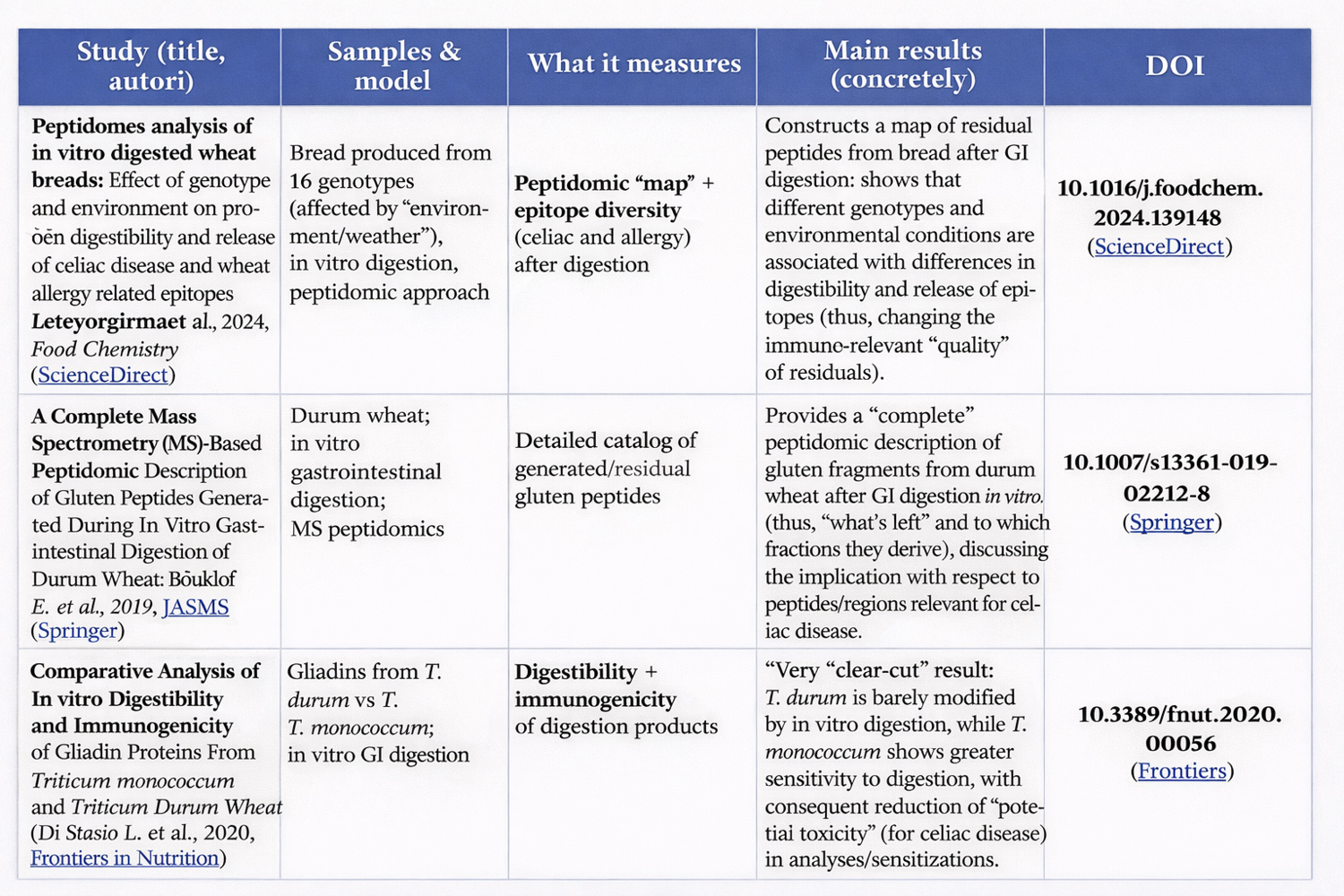
“Comparative in vitro studies show that einkorn gliadin peptides are digested more efficiently during simulated gastrointestinal digestion than those from modern wheats, resulting in reduced immunogenicity in cellular models.”
Scientific clarification:
These findings indicate that the structure of einkorn gluten proteins differs from that of modern wheats and may be more readily degraded by digestive enzymes [In-depth analysis “B”].
“In individuals with wheat-dependent exercise-induced anaphylaxis (WDEIA), einkorn wheat did not elicit significant skin reactivity and showed a different IgE profile compared to common wheat, suggesting potential interest for the development of hypoallergenic foods.”
Scientific clarification:
These are preliminary results that require confirmation through larger clinical studies, but they open promising perspectives in research on reduced-allergenicity foods.
⚠️ Fundamental clarification
“To date, there is no sufficient scientific evidence demonstrating the safety of einkorn wheat for individuals with diagnosed celiac disease. Einkorn contains gluten and cannot be considered a gluten-free cereal.”
Further note:
Some individuals with non-celiac wheat sensitivity (NCWS) report better tolerance to einkorn wheat, but available clinical data remain still limited [In-depth analysis “C”].

Nutritional value and metabolic health
“Einkorn wheat generally contains higher levels of proteins, carotenoids, tocols, and other bioactive compounds compared to modern wheats, resulting in a particularly interesting nutritional profile.”
Scientific clarification:
The high carotenoid and antioxidant content contributes to the characteristic deep yellow color of einkorn flour and enhances its nutritional appeal.
“In an animal model (pig), consumption of einkorn wheat bread resulted in more moderate glycemic and insulin responses compared to common wheat bread, along with favorable modifications of the intestinal microbiota.”
Scientific clarification:
In particular, an increase in microorganisms producing short-chain fatty acids (SCFAs)—key compounds for intestinal mucosal health—was observed.

Technological aspects and baking performance
“Einkorn wheat flours exhibit lower gluten strength and a less elastic dough structure compared to modern wheats, making processing more delicate.”
Scientific clarification:
Recent studies show that the use of selected varieties, longer fermentation times, and adapted technological processes can yield bread and pasta with high nutritional and sensory quality even when made from einkorn wheat.

Conclusions
Einkorn wheat represents a bridge between the past and the future of human nutrition. Ancient in both history and genetics, it is nevertheless highly relevant today due to the strong scientific interest it attracts in nutritional, digestive, and technological research.
In upcoming articles, we will further explore the relationship between einkorn wheat, gluten, gut microbiota, and wheat sensitivity, always maintaining a clear distinction between established scientific evidence and hypotheses that are still under investigation.

In-depth analysis “A”: Integrated Evaluation of the Potential Health Benefits of Einkorn-Based Breads”
“Omissis…..Several studies have shown a clear correlation between the consumption of wholegrain and a reduced risk of cardiovascular diseases [1,2], diabetes [3], and some types of cancer [4]. The beneficial properties of wholegrain are mainly ascribed to their micronutrient and phytochemical content [5–7]. Cereals are among the richest food in phenolic acids, their content being comparable with or even higher than that found in berries, fruits, and vegetables [8]. In addition, some cereals are rich in lutein and zeaxanthin [9,10]. Micronutrients and phytochemicals are chiefly concentrated in the outer layers of grains [11], and this could explain the preventive effects associated with high wholegrain consumption [12]. Nowadays, the higher nutritional value of wholegrain compared to refined ones is recognized [13], and there is an increasing interest in ancient crops as source of wholegrain flours [14]. Einkorn (Triticum monococcum L. ssp. monococcum) is an ancient crop. Compared to polyploid wheats it has a higher content of proteins, polyunsaturated fatty acids, fructans, and phytochemicals as tocols, carotenoids, alkylresorcinols, phytosterols, and a lower α-, β-amylase and lipoxygenase activities [15]. In addition, einkorn expresses very few T-cell stimulatory gluten peptides [16]. Einkorn could represent a valid alternative for producing functional baked products. In bakery, processing could contribute to functionality [17,18]. Sourdough fermentation, involving the inter-relation between microbial metabolism and cereal enzymes, has been shown to greatly affect the functional features of leavened baked goods [19]. This type of fermentation may produce new nutritionally active molecules such as functional peptides and amino acid derivatives [20,21], deriving from either the bacterial hydrolytic activity [20] or from their own synthetic pathways [22]. To exert a positive action in the human body, bioactive compounds must be hydrolyzed from the food matrix, and be absorbed in the intestine. The bioaccessibility of bioactive compounds, i.e., the percentage released from the food matrix and made available for uptake by the intestinal mucosa, is an important parameter that can be influenced by many different factors including the food matrix and the food processing [23,24]. Fermentation by lactic acid bacteria may improve nutrient bioaccessibility and produce compounds with anti-oxidant and anti-inflammatory activity [19]. Sourdough lactic acid bacteria have been reported to release or synthesize antioxidant and anti-inflammatory peptides during fermentation of cereal flours [20]. Integrated Evaluation of the Potential Health Benefits of Einkorn-Based Breads. Fabiana Antognoni, et al. Nutrients November 2017.” The numbers in square brackets refer to the bibliographic references present in the text of the cited research”.

In-depth analysis “B”

Einkorn’s gluten proteins form a simpler, weaker, and more water-soluble network compared to modern wheat, due to its diploid genetics (14 chromosomes vs. modern 42) and a different gliadin-to-glutenin ratio (around 2:1 vs. modern wheat’s 7:1), resulting in shorter protein strands and less elasticity. This structure makes einkorn’s gluten more digestible and less inflammatory for many, despite having similar total gluten content, creating a tighter crumb in baked goods

In-depth analysis “C”

The 33-mer peptide, a fragment of wheat’s alpha-gliadin, is considered a highly potent immune stimulator, especially for celiac disease, because it’s resistant to digestion, contains multiple T-cell epitopes, and forms active nanostructures that trigger innate immune responses via Toll-like receptors (TLRs) in macrophages, leading to inflammation. This proteolytically stable peptide, often deamidated by tissue transglutaminase (TG2), binds strongly to HLA-DQ2 and activates T-cells, driving the autoimmune reaction in celiac disease.”

Bibliographic references

1. Shewry P.R., Hey S.J. The contribution of wheat to human diet and health. Food and Energy Security, 2015.
2. Geisslitz S. et al. Comparative analysis of in vitro digestibility and immunogenicity of gliadin proteins from durum and einkorn wheat. Food Chemistry, 2020.
3. Zoccatelli G. et al. Immunoreactivity of Triticum monococcum in patients with wheat-dependent exercise-induced anaphylaxis. Molecular Nutrition & Food Research, 2015.
4. Costabile A. et al. In vivo effects of einkorn wheat bread on glycemic response and gut microbiota in the pig model. Nutrients, 2018.
5 .Hidalgo A., Brandolini A. Nutritional properties of einkorn wheat. Journal of Cereal Science, 2014.
6. Foschia M. et al. Breadmaking performance of elite einkorn lines. Foods, 2023.
7. Immunogenicità di gliadine di monococco vs. durum: digestione enzymatica più efficace, meno immunogenicità in modelli T-cell. ([PubMed][2]) 2015
8. Glutine più digeribile nel piccolo farro in studi CNR: potenziale minore tossicità (CNR, “glutine digeribile”). ([Consiglio Nazionale delle Ricerche][7]) 2018
9. Struttura dell’impasto e qualità del pane: caratteristiche diverse rispetto al grano moderno. ([OUP Academic][8]) 2018.
10. Trasformazione genetica ed utilizzo come modello di studio cerealicolo (genoma piccolo e interessante). ([SpringerLink][1]) 2025
11. Recente review su antichi cereali e IBS (con riferimento a proprietà nutrizionali e immunogeniche). ([Springer Nature][9])

Irritable Bowel Syndrome: Why Inflammation and “Leaky Gut” Are Not the Same Thing

by luciano

(related article n. 1 of Irritable Bowel Syndrome (IBS) and Intestinal Permeability)

In recent years, irritable bowel syndrome (IBS) has often been described as a direct consequence of an “inflamed” or “hyper-permeable” gut. While this narrative is appealing, it is incomplete. The most recent scientific literature describes IBS as a heterogeneous and multifactorial disorder, in which inflammation, intestinal permeability, the nervous system, and the gut microbiota interact differently from person to person. Understanding this complexity is essential to avoid reductionist explanations—and one-size-fits-all treatments.

IBS: A Disorder of Gut–Brain Interaction
According to current diagnostic criteria (Rome IV), IBS is classified as a Disorder of Gut–Brain Interaction (DGBI). This means that symptoms do not necessarily arise from visible structural damage to the intestine, but from altered communication between the gut, the nervous system, and the immune system.
Abdominal pain, bloating, and bowel habit changes may therefore occur even when:
the intestinal mucosa is structurally intact
inflammatory markers are within normal ranges
This is where many misunderstandings begin.

Intestinal Permeability: Important, but Not Universal
Some patients with IBS show increased intestinal permeability (the so-called leaky gut), particularly:
in diarrhea-predominant IBS (IBS-D)
in post-infectious IBS
In these cases, the intestinal barrier is less efficient and may facilitate immune system activation.
However, not all IBS patients exhibit increased permeability.
In subtypes such as constipation-predominant IBS (IBS-C) or mixed IBS (IBS-M), intestinal permeability is often comparable to that of healthy individuals.
This is a crucial point: increased permeability is not a universal feature of IBS.

Low-Grade Inflammation: Present, but Not Always “Visible”
Many studies show that IBS is frequently associated with chronic low-grade inflammation, characterized by:
mild increases in pro-inflammatory cytokines
activation of mast cells and immune cells
localized or systemic inflammatory signals
However, this inflammation:
may be submucosal or neuro-immune
may not directly involve the intestinal epithelium
may occur without altering intestinal permeability
In other words, inflammation does not automatically mean a “damaged gut.”

A Key Point Often Misunderstood
Current research supports a more realistic model:
Intestinal permeability is not a mandatory prerequisite for inflammation, but when present, it can amplify inflammatory processes.
This explains why:
some patients show inflammation without leaky gut
others have altered barrier function without significant symptoms
Clinical outcomes depend on multiple factors:
type of inflammation
gut microbiota composition
neuro-endocrine regulation
individual susceptibility

IBS Without Leaky Gut: How Are Symptoms Explained?
In patients with normal intestinal permeability, IBS symptoms are driven by other well-documented mechanisms:
Visceral Hypersensitivity
The gut becomes “over-sensitive”: normal stimuli are perceived as painful.
Altered Gut–Brain Axis
Chronic stress, anxiety, and neuro-endocrine dysregulation amplify gut signals.
Functional Dysbiosis
Qualitative changes in the microbiota and its metabolites influence the nervous and immune systems without damaging the barrier.
Neuro-Mucosal Immune Activation
Immune cells activated near nerve fibers release mediators that increase pain, even with an intact epithelium.

Why This Changes the Way IBS Should Be Treated
If IBS is not a single disease, it cannot have a single cause—or a single treatment.
Effective management must be:
personalized
based on the patient’s specific profile
attentive to the different mechanisms involved
Reducing IBS to “inflammation” or “leaky gut” risks:
excessive oversimplification
unrealistic therapeutic expectations
neglect of central components of the disorder

In Summary
❌ IBS does not always mean increased intestinal permeability
❌ Inflammation does not always mean mucosal damage
✅ IBS is a complex disorder of gut–brain interaction
Understanding this complexity does not make IBS more confusing—it makes it more accurate, more scientific, and more treatable.

Long-Tail Keywords: difference between IBS and leaky gut, is IBS always inflammatory, intestinal inflammation without mucosal damage, causes of irritable bowel syndrome, IBS gut brain interaction explained, IBS without intestinal permeability

Irritable Bowel Syndrome (IBS) and Intestinal Permeability

by luciano

Abstract
Irritable bowel syndrome (IBS) is a complex and multifactorial disorder that cannot be explained by a single pathogenic mechanism. In recent years, increased intestinal permeability (“leaky gut”) has received considerable attention as a potential contributor to IBS pathophysiology. However, current scientific evidence indicates that barrier dysfunction affects only a subset of patients rather than representing a universal feature of the condition. Increased intestinal permeability is more frequently observed in diarrhea-predominant IBS (IBS-D) and post-infectious IBS (PI-IBS), whereas many patients exhibit a structurally intact intestinal barrier. In these cases, symptoms are more accurately attributed to alterations in the gut–brain axis, visceral hypersensitivity, disordered intestinal motility, and gut microbiota dysbiosis. An integrated understanding of these mechanisms is essential to move beyond reductionist models and to guide personalized therapeutic strategies.

Keywords
irritable bowel syndrome, IBS, intestinal permeability, leaky gut, IBS-D, post-infectious IBS, gut barrier, tight junctions, gut-brain axis, visceral hypersensitivity, gut microbiota, functional gastrointestinal disorders, chronic abdominal pain, low-grade inflammation, personalized IBS treatment

1. Introduction
Irritable bowel syndrome (IBS) is one of the most common functional gastrointestinal disorders, characterized by recurrent abdominal pain associated with changes in bowel habits, in the absence of identifiable structural abnormalities. Over the past two decades, the traditional view of IBS as a purely “functional” disorder has been progressively replaced by a more comprehensive model that integrates neurobiological, immune, microbial, and mucosal barrier factors.
Within this evolving framework, increased intestinal permeability—commonly referred to as “leaky gut”—has been proposed as a central mechanism in IBS pathogenesis. While this hypothesis has gained substantial attention, accumulating evidence suggests a more nuanced reality: increased permeability is present only in a subset of IBS patients and does not constitute a defining feature of the syndrome as a whole.

2. Evidence of Altered Intestinal Permeability in IBS
Numerous clinical and experimental studies have assessed intestinal barrier function in IBS using permeability tests (e.g., lactulose/mannitol ratio), urinary and plasma biomarkers, mucosal biopsies, and molecular analyses of tight junction proteins.
Collectively, these studies demonstrate that:
A significant but non-majority proportion of IBS patients exhibits increased intestinal permeability;
Barrier dysfunction is more commonly observed in the colon, although small intestinal involvement may occur in specific subgroups;
Increased permeability is not stable over time and may fluctuate in response to prior infections, dietary factors, psychological stress, and microbiota composition.
These findings indicate that intestinal barrier dysfunction represents an important pathogenic mechanism in IBS, but not an exclusive or universal one.

3. Differences Among IBS Subtypes
The heterogeneity of IBS becomes particularly evident when examining its clinical subtypes:
IBS-D (diarrhea-predominant IBS): This subtype is most frequently associated with increased intestinal permeability. Alterations in tight junction proteins and enhanced immune exposure to luminal antigens have been consistently reported.
Post-infectious IBS (PI-IBS): PI-IBS represents one of the strongest models linking IBS to barrier dysfunction. Following acute gastroenteritis, some patients develop chronic symptoms associated with increased permeability, low-grade mucosal inflammation, and mast cell activation.
IBS-C (constipation-predominant IBS): In most studies, intestinal permeability in IBS-C patients is comparable to that of healthy controls.
IBS-M (mixed subtype): Barrier function appears most consistently preserved in this group.
These differences underscore the absence of a single biological phenotype underlying IBS.

4. Molecular Mechanisms of Barrier Dysfunction
In IBS patients with increased permeability, several structural and functional alterations of the intestinal epithelial barrier have been documented, including:
Reduced expression or disorganization of tight junction proteins such as ZO-1, occludin, and claudins;
Increased paracellular passage of luminal molecules and antigens;
A correlation between the degree of barrier impairment and the severity of abdominal pain.
Loss of epithelial integrity facilitates contact between luminal antigens (bacterial or dietary) and the mucosal immune system, contributing to low-grade inflammatory responses.

5. Interaction Between Intestinal Permeability, Immune System, and Microbiota
In IBS subgroups characterized by barrier dysfunction, increased permeability may initiate a pathogenic cascade involving:
Activation of mast cells and other immune cells within the lamina propria;
Release of inflammatory and neuroactive mediators;
Sensitization of enteric nerve endings.
The gut microbiota plays a central role in this process. Qualitative and functional alterations of microbial communities can both contribute to barrier dysfunction and amplify immune and neural responses. Nevertheless, these mechanisms are not present in all IBS patients, reinforcing the concept of biological heterogeneity.

6. IBS Without Increased Intestinal Permeability
A crucial and often underestimated aspect of IBS is that many patients exhibit a structurally intact intestinal barrier. This is well documented in IBS-C and IBS-M subtypes, but also applies to a proportion of IBS-D patients.
In such cases, the leaky gut model alone is insufficient to explain symptom generation.

7. Alternative Mechanisms Independent of Permeability
7.1 Gut–Brain Axis Dysfunction
IBS is currently classified as a disorder of gut–brain interaction. Altered bidirectional communication between the enteric nervous system and the central nervous system can generate pain, urgency, and bowel habit changes in the absence of mucosal damage.
7.2 Visceral Hypersensitivity
Many IBS patients exhibit a reduced pain threshold to physiological intestinal stimuli. This phenomenon is attributed to:
Peripheral neural sensitization;
Central amplification of nociceptive signaling.
7.3 Altered Intestinal Motility
Disruptions in intestinal motor patterns may account for diarrhea, constipation, or alternating bowel habits without involving epithelial barrier dysfunction.
7.4 Dysbiosis Independent of Barrier Damage
Gut microbiota alterations may influence fermentation, gas production, bile acid metabolism, and neuroendocrine signaling even when intestinal permeability remains normal.

8. Clinical and Therapeutic Implications
Recognizing the heterogeneity of IBS has important clinical consequences:
In IBS-D and PI-IBS patients with documented increased permeability, interventions targeting barrier function (e.g., low-FODMAP diet, microbiota modulation, mucosal protective strategies) may be particularly beneficial;
In patients with normal permeability, therapeutic approaches focused on the gut–brain axis, visceral sensitivity modulation, and stress management are likely more appropriate.
A personalized approach is therefore essential.

9. Conclusions
IBS is a multifactorial and biologically heterogeneous condition. Increased intestinal permeability represents a documented and clinically relevant pathogenic mechanism, but it is not universal. In many patients, symptoms arise from neurofunctional, motor, or microbial alterations in the presence of an intact intestinal barrier.
An integrated perspective allows clinicians and researchers to move beyond reductionist models and to develop more effective diagnostic and therapeutic strategies.
The inflammatory, neurofunctional, microbial, and barrier-related mechanisms discussed here are explored in greater detail in the related articles referenced below.

Commented Bibliographic References (for Further Reading)
1. Camilleri M. et al. – Review on IBS and intestinal barrier function
A critical analysis of permeability alterations across IBS subtypes, emphasizing their non-universality.
2. Bischoff S.C. et al. – Intestinal permeability: mechanisms and clinical relevance
A foundational reference on molecular mechanisms of barrier function and clinical implications.
3. Spiller R., Garsed K. – Post-infectious IBS . Describes PI-IBS as a key model linking low-grade inflammation and increased permeability.
4. Barbara G. et al. – Mast cells and IBS. Seminal work on mast cell involvement in visceral pain and hypersensitivity.
5. Ford A.C. et al. – Systematic reviews on IBS pathophysiology
Integrated overview of microbiota, motility, and gut–brain axis mechanisms.
6. Drossman D.A. – Disorders of gut–brain interaction. A cornerstone reference framing IBS within modern gut–brain interaction paradigms.

The different mechanisms discussed—inflammatory, neuro-functional, microbial, and barrier-related—are examined separately in the related articles.

Human Microbiota and Toxin Metabolism

by luciano

Abstract
The human gut microbiota is a complex ecosystem of microorganisms that plays a central role in digestion, immune function, metabolic regulation, and the handling of dietary and environmental toxins. Through the fermentation of non-digestible carbohydrates and fibers, gut bacteria produce short-chain fatty acids (SCFAs) such as butyrate, acetate, and propionate, which act as key metabolic mediators between the microbiota and the host. These metabolites serve as essential energy substrates for intestinal epithelial cells, support gut barrier integrity, and modulate inflammatory responses and systemic metabolism.
In addition to carbohydrate fermentation, the gut microbiota is involved in the biotransformation of xenobiotics, including environmental toxins, drugs, and food-derived compounds, influencing their bioavailability and toxicity. Conversely, exposure to antibiotics, pollutants, alcohol, and ultra-processed foods can disrupt microbial balance, leading to dysbiosis, increased intestinal permeability, inflammation, and metabolic disorders.
This article explores the bidirectional interactions between the gut microbiota and toxins, the different types of bacterial fermentation (saccharolytic versus proteolytic), and the concept of energetic symbiosis between microbes and the human host. Understanding these mechanisms highlights the crucial role of diet—particularly dietary fiber—in maintaining microbiota functionality, metabolic health, and resilience against toxic and inflammatory challenges.

Keywords
Gut microbiota; Short-chain fatty acids (SCFAs); Dietary fiber; Butyrate; Fermentation; Metabolic health; Inflammation; Gut barrier; Dysbiosis; Toxin metabolism; Gut–liver axis; Energetic symbiosis
1) Human microbiota: definition and role
Definition
The human microbiota is the collection of microorganisms (bacteria, viruses, and fungi) that live on and within the human body, particularly in the gut, and contribute to critical metabolic and immune functions. (Nature)
Main functions
Digestion and fermentation of non-digestible fibers → production of short-chain fatty acids (SCFAs), such as butyrate. (MDPI)
Modulation of energy and glucose metabolism. (Nature)
Maintenance of the immune barrier and protection against pathogens. (Nature)
Involvement in the gut–liver and gut–brain axes. (Atti dell’Accademia Lancisiana)

2) Interactions between the microbiota and toxins
2A – Microbiota → toxins/metabolites
The microbiota:
Ferments dietary fibers [1], producing beneficial metabolites (SCFAs). (MDPI)
Metabolizes xenobiotics (environmental toxins, drugs, additives), influencing their chemical form and toxicity. (MDPI)
Contributes to the intestinal barrier, limiting the absorption of harmful substances. (Atti dell’Accademia Lancisiana)
Recent research:
1. Fan & Pedersen (2020): link the gut microbiota to the metabolism of food-derived compounds and toxins in humans. (Nature)
2. Tu et al. (2020): review on the microbiome and environmental toxicity (concept of gut microbiome toxicity). (MDPI)

2B – Toxins → microbiota
Some agents negatively impact the microbiota:
Antibiotics → intestinal dysbiosis
Pesticides/heavy metals → alteration of microbial diversity
Alcohol and ultra-processed foods → emerging negative effects
Evidence examples:
Environmental and dietary factors can alter microbial balance and increase inflammation. (ScienceDirect)

2C – Effects of dysbiosis
Dysbiosis (microbiota imbalance) may lead to:
Intestinal inflammation
Increased intestinal permeability (leaky gut)
Metabolic disorders (obesity, insulin resistance)
Recent scientific evidence:
Reviews linking microbiota composition to metabolism and human health. (Nature)

3) Factors influencing the microbiota
Factor
Effect
High-fiber diet
↑ diversity and SCFA production (MDPI)
Polyphenols (fruit/vegetables, tea, wine, olive oil)
Positive modulation of the microbial community
Antibiotics
↓ biodiversity, ↑ dysbiosis
Alcohol
May damage the mucosa and promote permeability
Ultra-processed foods
Associated with dysbiosis (mechanisms still under investigation)
Key research:
1. Charnock & Telle-Hansen (2020): effects of fiber on the microbiota and metabolic health. (MDPI)
2. PubMed reviews (2023–2024): fiber and microbiota modulation with clinical implications in metabolic diseases. (PubMed)

4) Toxin elimination: integrated physiological pathways
Liver
Phase I: structural modification of toxins (oxidation)
Phase II: conjugation → increased solubility
Elimination via bile → intestine
The microbiota may modify these metabolites and influence their recirculation
Kidneys
Filter the blood
Eliminate water-soluble toxins through urine
Intestine + microbiota
Excretion of toxins via feces
Physical and metabolic barrier against the absorption of harmful compounds
Lungs and skin
Elimination of CO₂ and volatile compounds
Minor role in the detoxification of more complex molecules

5) Integrative key concepts
SCFAs and health
Products of bacterial fiber fermentation (e.g., butyrate) not only provide substrates for intestinal cells but also modulate inflammation and systemic metabolism. (MDPI)
Microbiota and the gut–liver axis
Microbial metabolites influence hepatic metabolism, with potential effects on toxin handling and lipid metabolism. (Nature)
Diet and metabolic diseases
Microbiota changes associated with low fiber intake are linked to obesity and type 2 diabetes. (PubMed)

Mini-summary
1. The gut microbiota is an ecosystem of microorganisms that supports digestion, immunity, and metabolism; its alteration (dysbiosis) is associated with metabolic diseases. (Nature)
2. Non-digestible dietary fibers are fermented by gut microbes into beneficial compounds (SCFAs). (MDPI)
3. Microbiota and toxins influence each other: the microbiota can degrade or transform xenobiotics, while substances such as antibiotics and pollutants can alter microbial composition. (MDPI)
4. The body eliminates toxins through the liver, kidneys, intestine (with microbiota involvement), lungs, and skin.